-
tel: +86-133 3812 3788
-
email: erwpipemill@gmail.com

EN
Tube Mill Start-Up Checklist: What to Confirm Before First Production
May 18, 2026
For many buyers, the first production stage is where the tube mill project really becomes real. The machine may be installed, utilities may be connected, and operators may be ready, but first production can still become slow or unstable if the start-up checklist is incomplete. A clear start-up checklist helps the buyer move from installation into more controlled production.
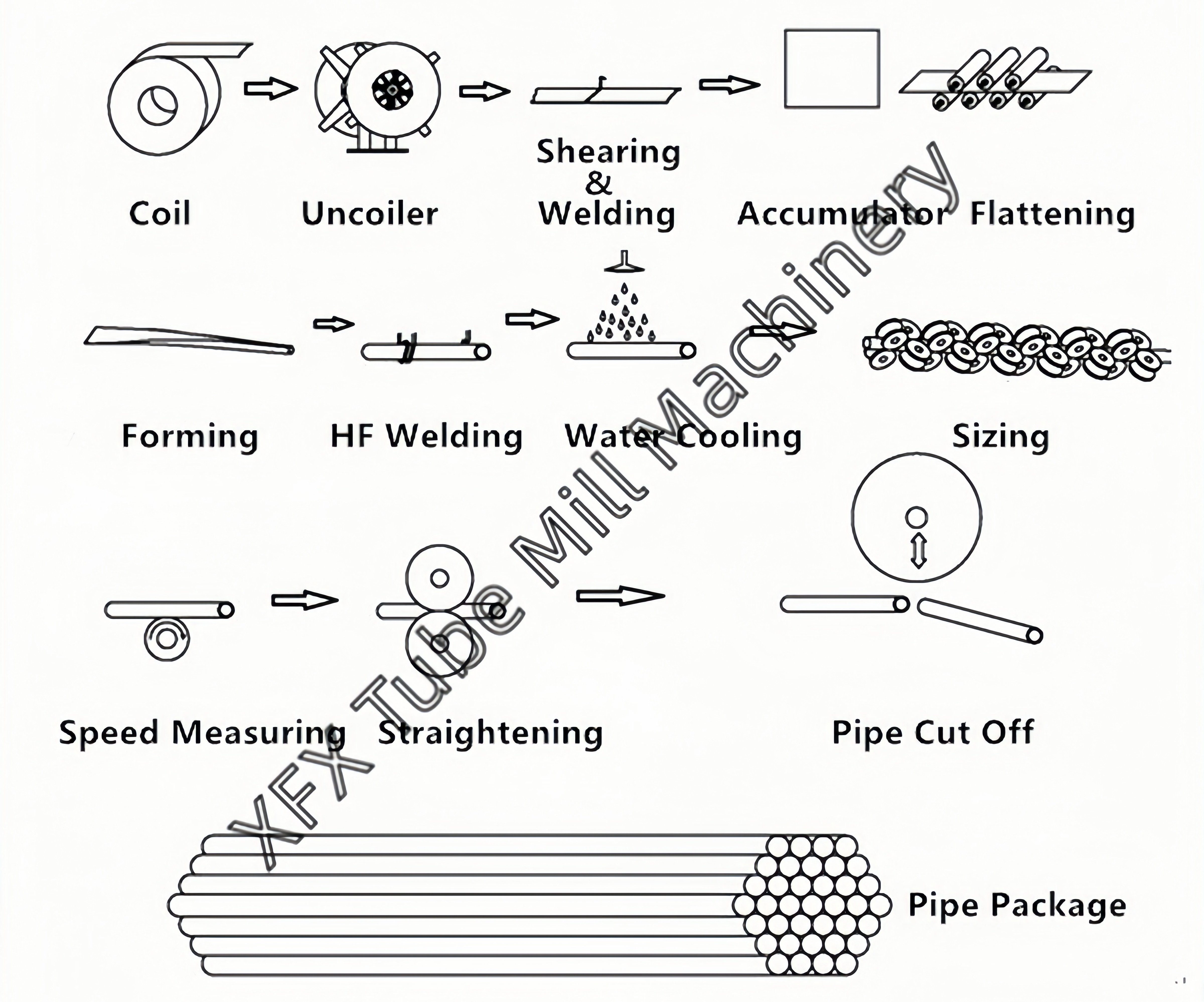
The purpose of a start-up checklist is not to create extra paperwork. It is to make sure the line is ready in practical terms: machine sections aligned, utilities working, strip material available, operators present, and inspection points understood. For overseas tube mill projects, this can greatly reduce confusion during the first production stage.
Why a Tube Mill Start-Up Checklist Matters
The first production stage often reveals issues that are not obvious during installation alone. If buyers prepare the right checklist, they can identify missing conditions earlier and help the supplier support the project more efficiently during commissioning and early running.
1. Confirm Machine Installation Status
Before first production, buyers should confirm that the line sections are installed and positioned correctly, including:
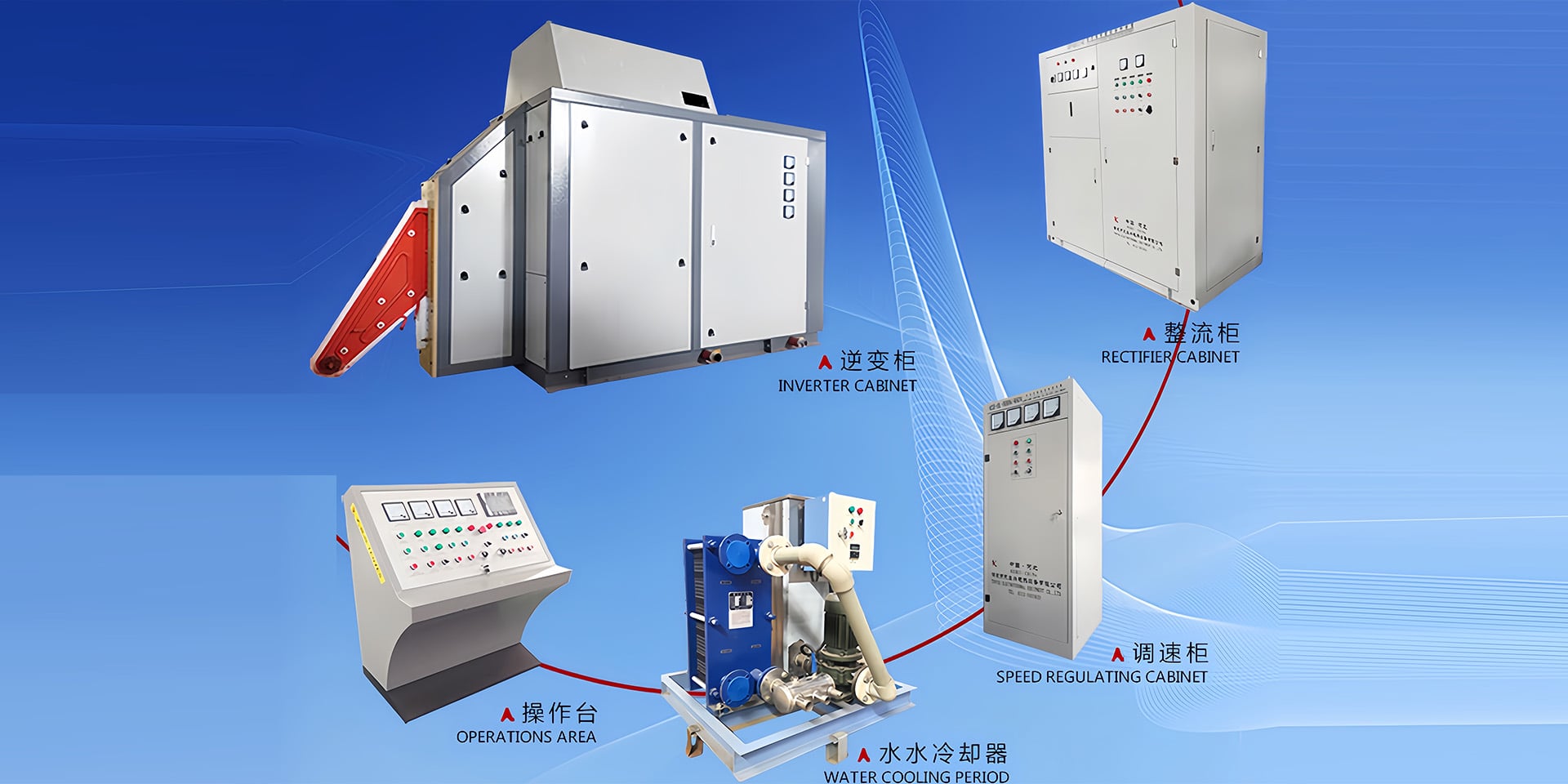
- Uncoiler and entry section
- Shearing and butt welding unit if included
- Accumulator
- Forming section
- HF welder
- Sizing section
- Cutting section
- Run-out table
2. Check Power, Cooling Water, and Utilities
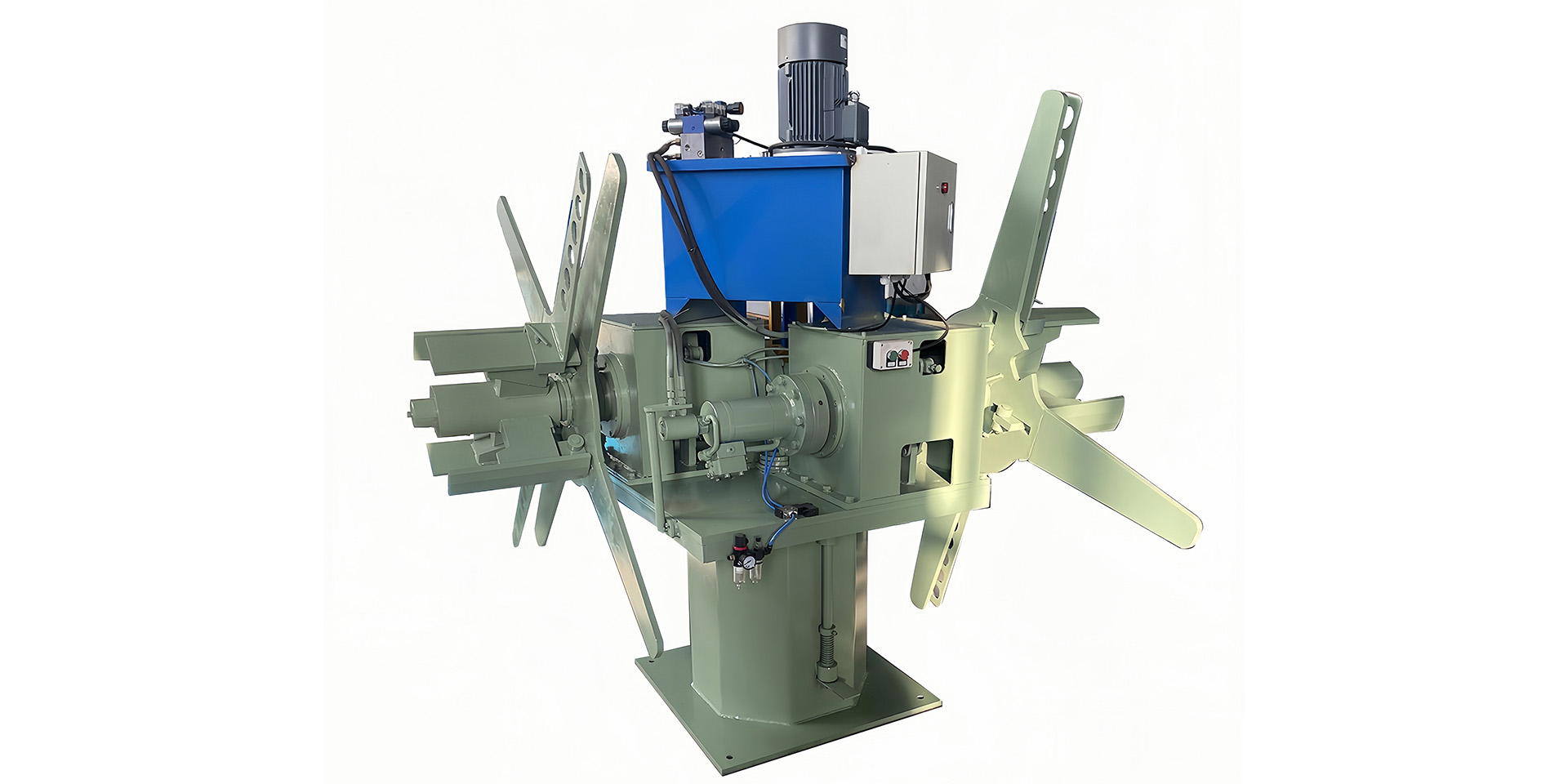
First production should not begin until the main utility conditions are stable. Buyers should verify:
- Main power connection
- HF welder power supply
- Cooling water circulation
- Hydraulic and pneumatic support if applicable
- General workshop safety around the line
3. Prepare the Actual Raw Material
The strip material used for first production should match the target specification as closely as possible. If the buyer uses substitute material with different thickness or quality, the first production result may not reflect the real project condition accurately.
4. Make Sure the Operator Team Is Present
The real future operators should be present during first production whenever possible. This helps them learn machine sequence, adjustment logic, daily checks, and basic troubleshooting during the most important learning stage.
5. Confirm the First Target Tube Size Clearly
The first trial should begin from a clearly confirmed target size, such as:
- Round tube: Φ25mm x 1.2mm
- Square tube: 40x40mm x 1.5mm
- Rectangular tube: 40x60mm x 2.0mm
It is better to start from a planned size than to change targets repeatedly during the first run.
6. Review Key Inspection Points During First Production
Buyers should agree on the basic inspection points for the first run, such as:
- Tube size accuracy
- Wall thickness consistency
- Weld seam quality
- Cutting accuracy
- General line stability
7. Confirm Tooling and Adjustment Readiness
The project team should check whether the necessary tooling has been installed correctly and whether the first product setup matches the real production plan. If square or rectangular production is required later, the tooling scope should also already be understood.
8. Record the First Stable Production Condition
Once the line begins to run more steadily, it is useful to record the first stable condition clearly. This helps operators repeat the result later and gives the supplier a better reference if support is needed after commissioning.
9. Keep a Simple Start-Up Communication Plan
If the buyer needs remote support after the initial run, it helps to have a simple communication method ready with photos, videos, measured sizes, and operator notes. This makes early troubleshooting much more efficient.
What Buyers Should Include in a Start-Up Checklist
- Machine installation confirmation
- Utility readiness
- Raw material readiness
- Operator availability
- Target tube size
- Inspection points
- Tooling confirmation
- Support contact method
Related Reading
- How to Plan Tube Mill Installation and Commissioning Timeline After Delivery
- How to Prepare Your Workshop and Utilities Before Tube Mill Arrival
- What Spare Parts Should You Prepare Before Tube Mill Start-Up?
- Contact XFX for Tube Mill Start-Up Support
FAQ
When should a tube mill start-up checklist be prepared?
It should be prepared before first production begins, ideally during the late installation and utility confirmation stage.
Why should the real raw material be used for first production?
Because substitute material may not reflect the actual forming and welding condition of your real project.
Should the future operator team be present during first production?
Yes. It helps the real production team learn machine operation and adjustment logic from the start.
What are the most important checks during the first run?
Tube size, wall thickness, weld seam quality, cutting accuracy, and overall line stability are the most important early checks.
CTA
If your tube mill project is approaching first production, send your target tube size, material, utility condition, and start-up schedule. XFX can help you review a more practical start-up checklist before the line begins regular production.
Recent Posts

October 26, 2016
The Most Successful Engineering ContractorJun 09, 2026
How to Reduce Scrap Rate in ERW Tube Mill ProductionRequest a Tube Mill Quote
Tube Mill Inquiry Information
Line Quantity
Unit
Set
Please send your tube shape, exact tube size, wall thickness, raw material, country, purchase time, WhatsApp or email, and company name. XFX will help check the suitable tube mill model and configuration for your production plan.