-
tel: +86-133 3812 3788
-
email: erwpipemill@gmail.com

EN
How to Choose Slitting Line Capacity to Match Tube Mill Production
May 19, 2026
Many tube mill buyers know that a slitting line may be needed for coil preparation, but they are not always sure how to match slitting line capacity with the planned tube mill production. If the slitting scope is too weak, strip preparation may become a bottleneck. If the slitting scope is oversized without a practical reason, the project budget may become heavier than necessary. A better discussion looks at slitting line capacity together with tube size, strip width, wall thickness, coil condition, and production rhythm.
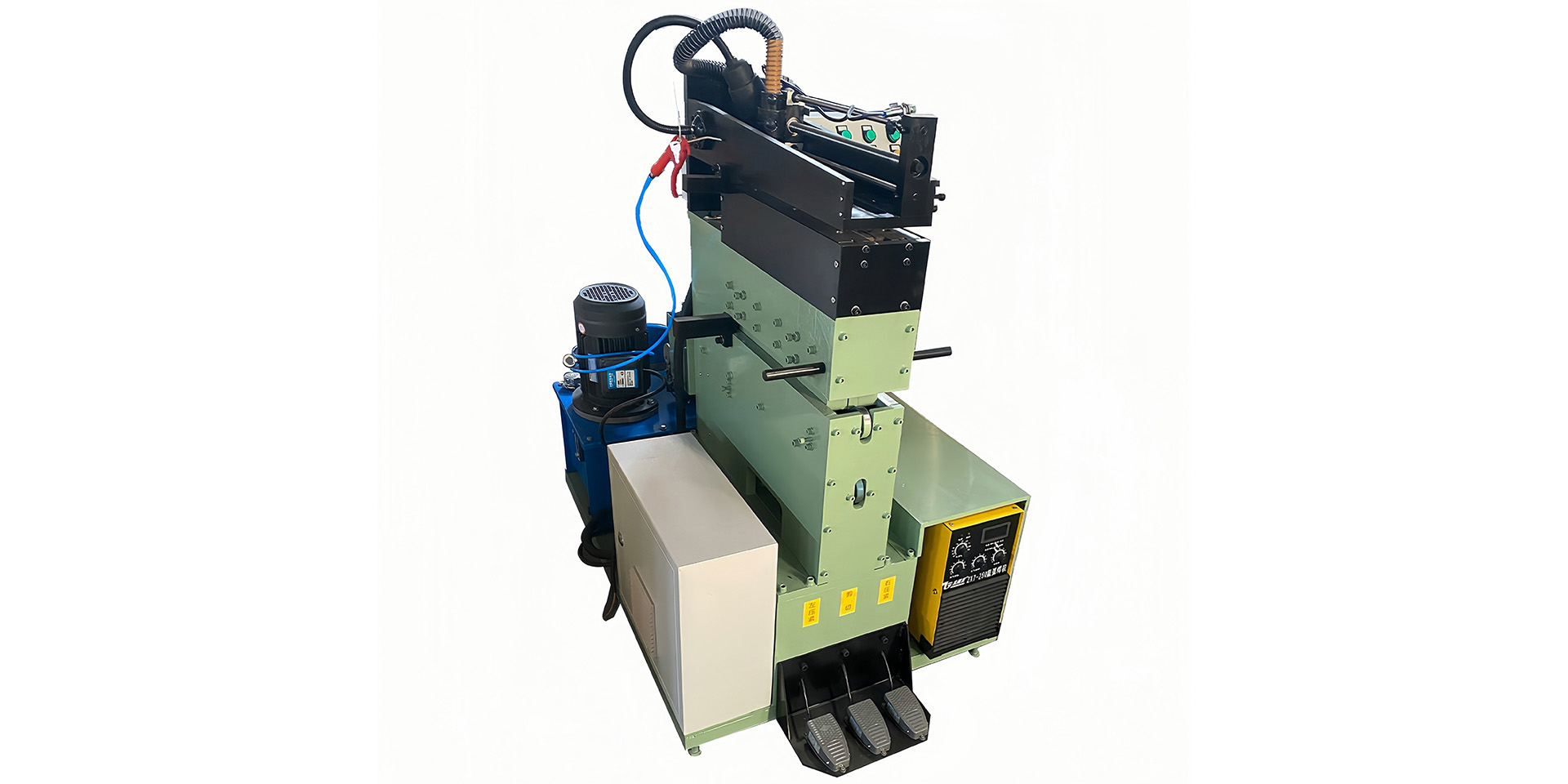
XFX can help buyers review whether the slitting line should be discussed as a basic preparation tool, a key productivity support line, or an integrated part of a broader tube mill project.
Why Slitting Line Capacity Should Match the Tube Mill Plan
A tube mill project does not depend only on the forming and welding line. The quality and consistency of the incoming strip also affect production stability. When the strip preparation logic is not matched to the tube mill plan, buyers may face unstable strip supply, unnecessary material handling pressure, or slower production coordination.
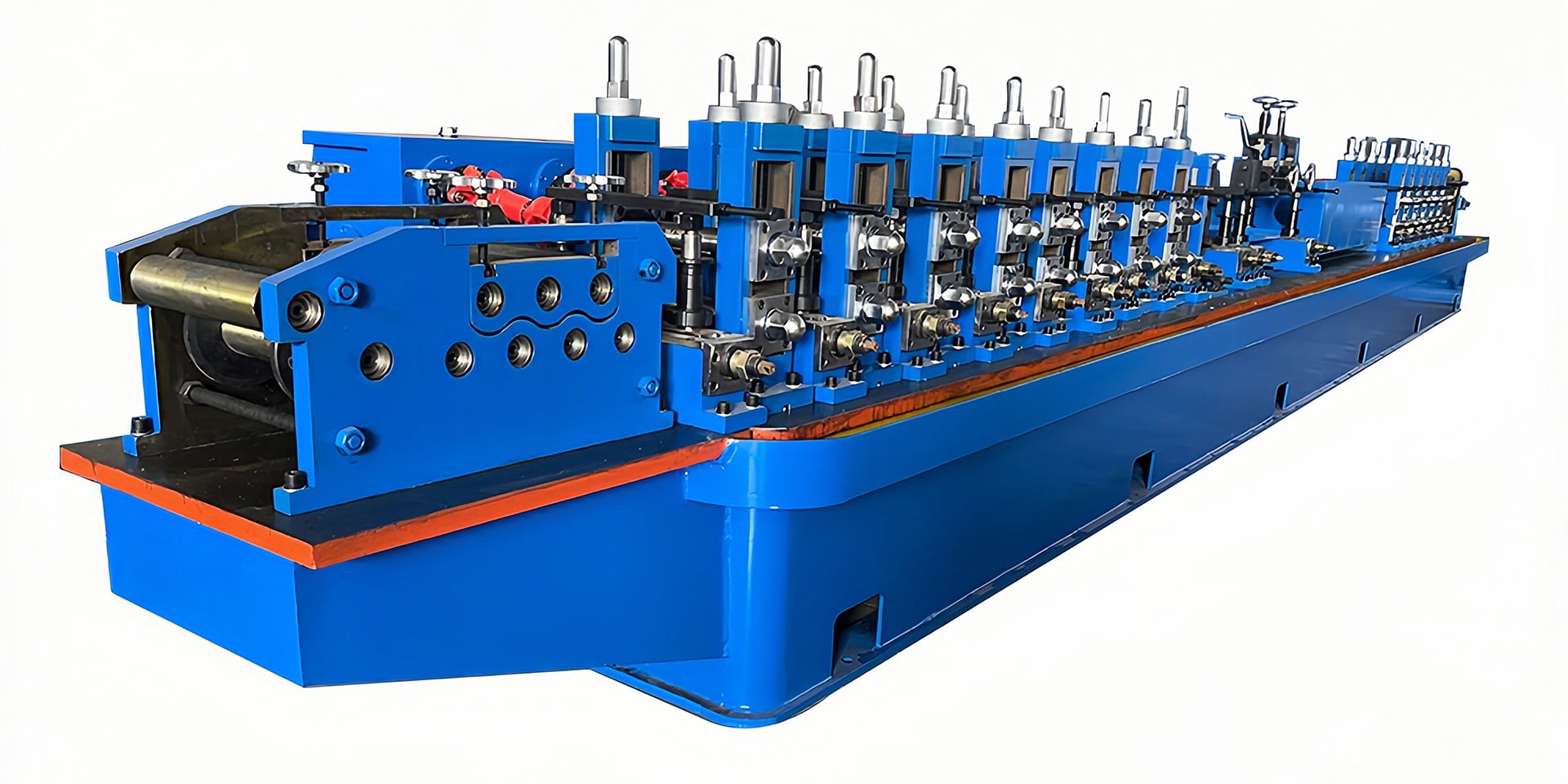
1. Start from the Main Tube Sizes and Strip Width Logic
Slitting line discussion should begin with the real production list. Buyers should provide exact tube sizes and matching wall thickness, because strip width planning depends on the real product basis. A broad range like "20-80 mm" is still not enough to confirm whether the slitting scope is practical.
- Round tube: exact outside diameter and wall thickness
- Square tube: exact side size and wall thickness
- Rectangular tube: exact width, height, and wall thickness
The strip preparation logic should match these actual production targets.
2. Coil Width and Coil Thickness Must Be Considered Together
Some buyers ask about slitting capacity only by coil width, but that is not enough. Coil thickness, strip edge quality expectation, and the steel material condition also affect the practical configuration discussion. When the project includes mixed products, a more detailed strip preparation plan is usually needed.
3. Slitting Output Should Match Production Rhythm
The slitting line should be reviewed together with the tube mill's expected production rhythm. If strip preparation is much slower than line demand, the mill may wait for material support. If the slitting line is designed far beyond actual project use, the investment may become less efficient.
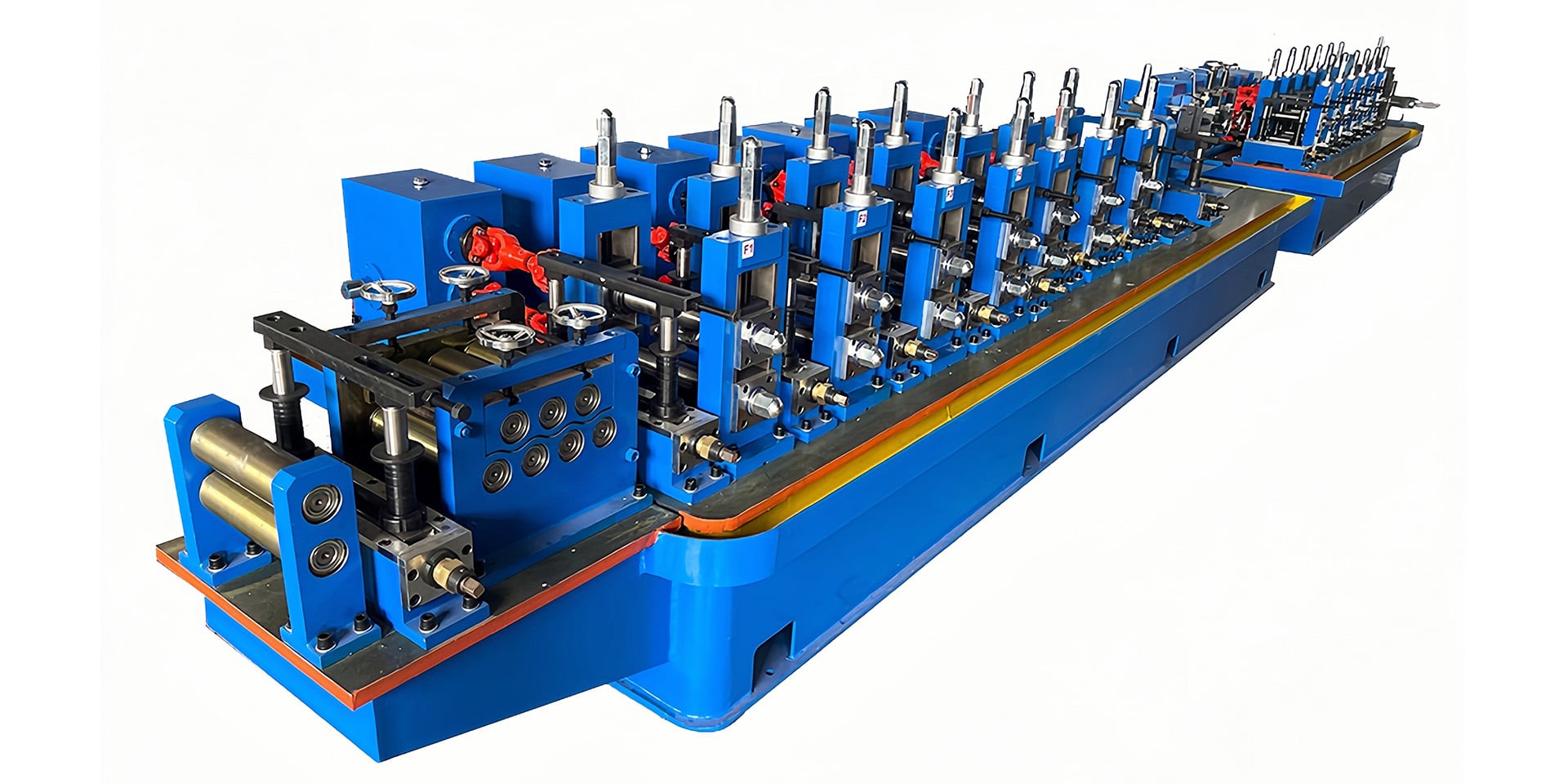
4. Product Mix Affects Slitting Discussion
Buyers producing only one or two regular sizes may need a simpler strip preparation logic than buyers serving many contract sizes. If the project involves frequent size changes, the slitting line discussion should include how often the strip widths change and how material flow is organized in practice.
5. Ask Whether the Slitting Line Is for Internal Use Only or Also for Separate Business
Some buyers want a slitting line mainly to support their own tube mill. Others may also plan to process strip for sale or for other workshop use. This difference changes the practical meaning of slitting line capacity. It should be discussed before quotation, not after order confirmation.
6. Coil Handling and Workshop Flow Also Matter
Slitting line selection is not only about technical capacity. Buyers should also discuss:
- Coil loading and unloading logic
- Workshop space
- Material movement route
- Utility planning
- Coordination with the main tube mill area
This helps prevent a layout that looks acceptable on paper but causes handling pressure during real production.
7. Include Slitting Line Scope Clearly in the Quotation
If slitting is part of the project, the quotation should explain whether it is a separate line, an optional item, or a linked part of the broader solution. Buyers should also ask what coil range, thickness range, and basic support scope are included in the recommendation.
What Buyers Should Send Before Discussing Slitting Line Capacity
- Main tube sizes and wall thickness
- Coil width and material information if available
- Main product mix and expected output
- Whether the slitting line is only for internal support or also for outside processing
- Workshop space and material handling conditions
- Purchase timing and broader project scope
Related Reading
- How Coil Width, Strip Material and Slitting Line Coordination Affect Tube Mill Production
- Tube Mill RFQ Checklist: What to Include in Your Inquiry for a Better Quotation
- What Really Affects Tube Mill Machine Price? A Practical Guide for Buyers
- View Tube Mill Auxiliary Equipment
FAQ
Can I choose slitting line capacity only by coil width?
No. Buyers should also consider coil thickness, product mix, output rhythm, and the actual role of the slitting line in the full project.
Does every tube mill project need its own slitting line?
Not always. It depends on the buyer's raw material supply logic, project scale, and whether internal strip preparation is part of the production plan.
Why should slitting line discussion happen before final quotation?
Because it affects project scope, workshop planning, material flow, and budget logic. It is much better to clarify it early.
What should I send before asking about slitting line capacity?
Send your exact tube sizes, wall thickness, coil information if available, expected output, and whether the slitting line is only for internal support or for broader processing work.
CTA
If your tube mill project may also require strip preparation, send your tube size list, wall thickness, coil information, and output target. XFX can help you review a more practical slitting line and tube mill coordination plan.
Recent Posts

October 26, 2016
The Most Successful Engineering ContractorJun 09, 2026
How to Reduce Scrap Rate in ERW Tube Mill ProductionRequest a Tube Mill Quote
Tube Mill Inquiry Information
Line Quantity
Unit
Set
Please send your tube shape, exact tube size, wall thickness, raw material, country, purchase time, WhatsApp or email, and company name. XFX will help check the suitable tube mill model and configuration for your production plan.