-
tel: +86-133 3812 3788
-
email: erwpipemill@gmail.com

EN
How to Plan Roll Tooling Scope for Multiple Tube Sizes Before Ordering
May 18, 2026
Many tube mill buyers do not only plan one finished tube size. They may want to start with one or two main sizes, then add more round, square, or rectangular sizes later. In that situation, the roll tooling scope becomes a very practical part of the project discussion. If tooling is not reviewed early, the quotation may look clear at first, but the later expansion cost and production limitations may surprise the buyer.
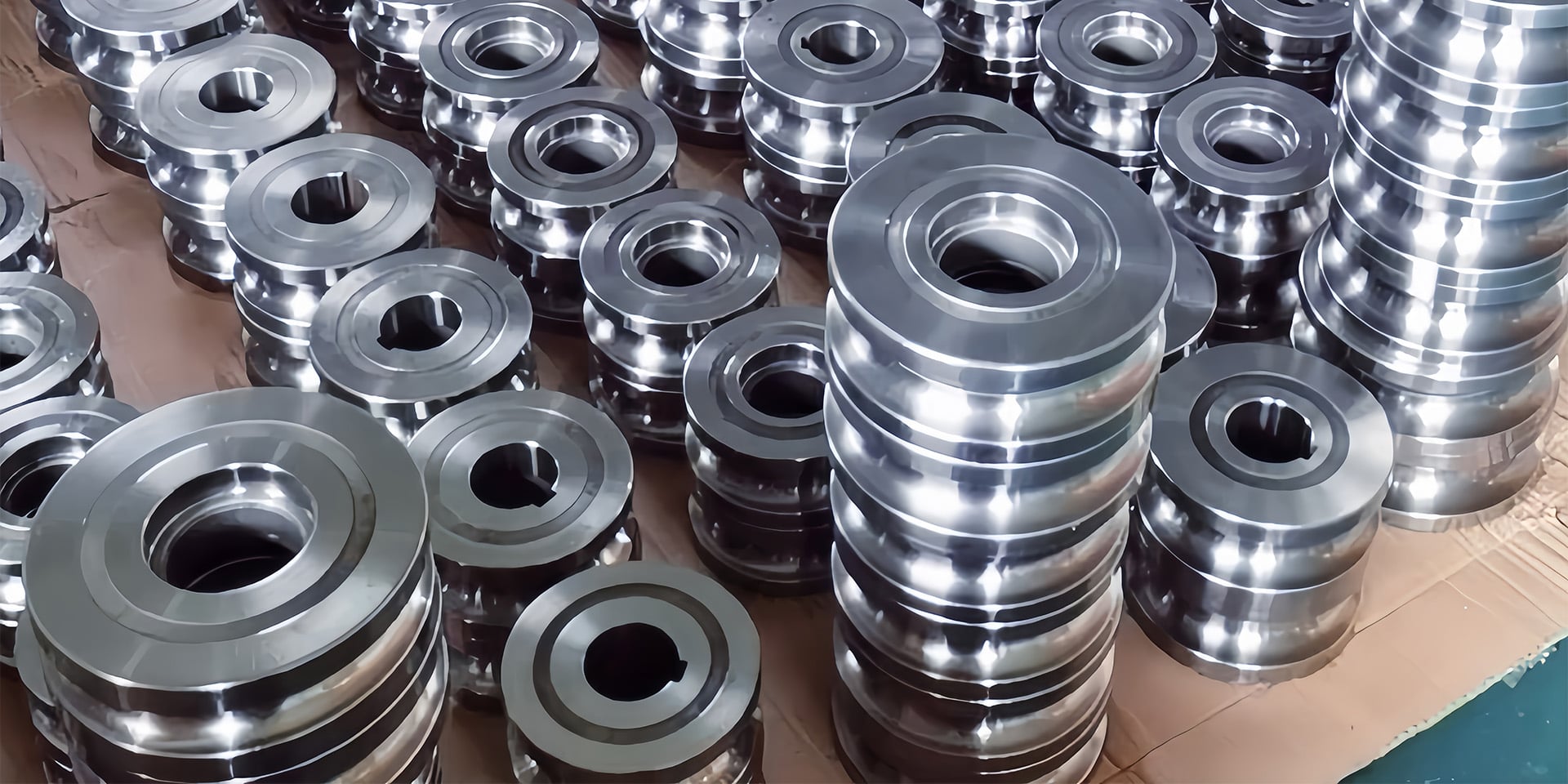
A better approach is to discuss the tooling plan together with the main tube sizes, wall thickness, product mix, and future production goals. XFX can help review whether the first tooling scope should focus only on the initial sizes or should already consider a broader production plan.
Why Tooling Scope Matters Early in a Tube Mill Project
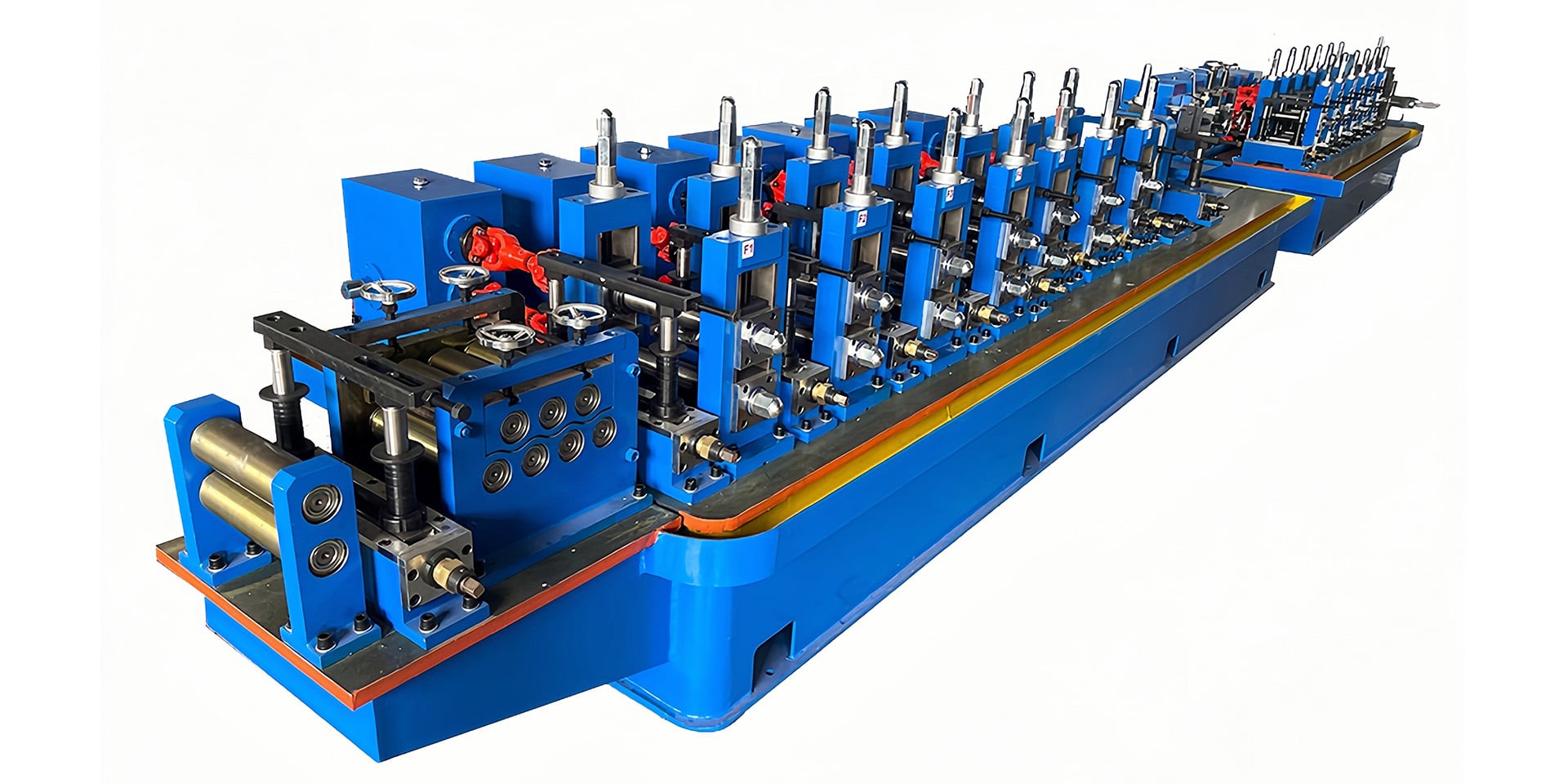
The tube mill itself is only one part of the line. Roll tooling is what helps the mill actually form, weld, size, and stabilize the target tube dimensions. When buyers ask whether one machine can cover many sizes, the real answer often depends on both machine range and tooling arrangement.
1. Start from the Main Production Sizes
Before discussing tooling quantity, buyers should list the real main production sizes first. For example:
- Round tube: Φ25 mm x 1.2 mm
- Square tube: 40 x 40 mm x 1.5 mm
- Rectangular tube: 40 x 60 mm x 2.0 mm
If the buyer only says "20-80 mm" or "0.8-3.0 mm," the tooling scope will still remain too general.
2. Separate Current Sizes from Future Expansion Sizes
Many buyers mix current orders and future plans into one sentence. A better discussion separates:
- Sizes needed for the first production stage
- Sizes expected in the next stage
- Occasional sizes that may be added later
This helps the supplier recommend a more practical first tooling package instead of quoting too little or too much.
3. Round Tube and Square Tube Should Not Be Assumed the Same
Even when one ERW tube mill can produce round, square, and rectangular tubes, buyers should not assume that the same tooling scope naturally covers every target size. The round tube basis, square conversion logic, and rectangular size plan should be checked separately.
4. Wall Thickness Also Affects Tooling Discussion
Tooling planning is not only about outside size. Wall thickness affects forming load, sizing stability, and production targets. Two sizes that look similar on paper may require a different practical discussion when the target thickness changes.
5. Ask What Is Included in the First Tooling Package
Before order confirmation, buyers should ask clearly:
- How many size sets are included
- Whether round and square tooling are both included
- Which sizes are covered in the first package
- What additional tooling may be needed later
- Whether tooling drawings or management recommendations are provided
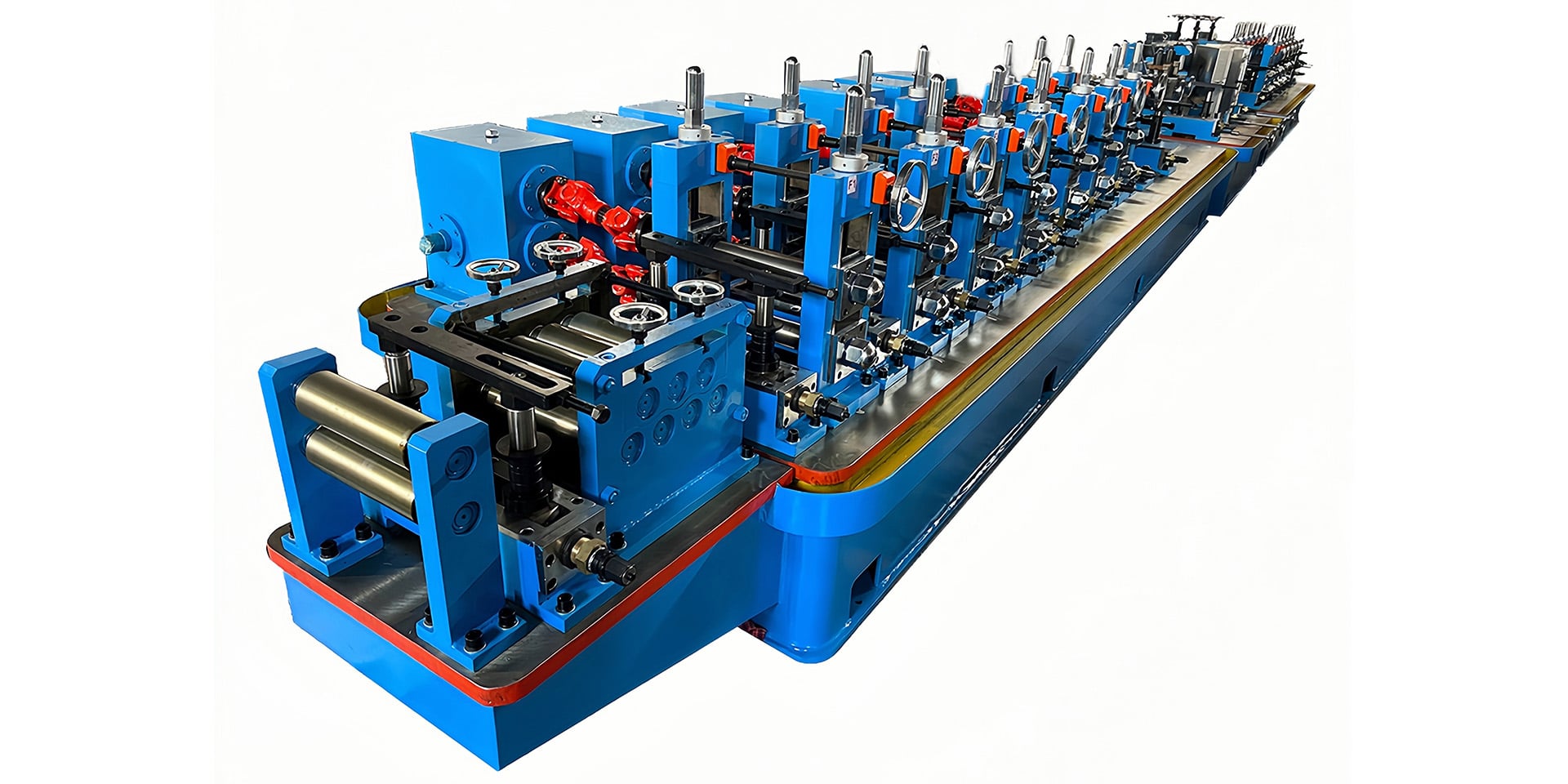
This helps avoid misunderstanding between a machine range and the actually supplied tooling scope.
6. Multi-Size Production Needs a Practical Change Plan
If the production plan includes many size changes, the buyer should also discuss how often the line will change sizes, what production output is expected for each size, and whether the tooling plan fits real changeover needs. This is especially important for buyers who want both regular sizes and custom contract sizes.
7. Tooling Scope Should Be Part of the Final Quotation Logic
Roll tooling should not remain a vague line in the quotation. It should be tied to the real product mix and the expected first-stage production plan. A clear tooling scope gives the buyer a much more useful basis for comparing quotations and planning budget.
What Buyers Should Send Before Discussing Tooling Scope
- Main round, square, and rectangular tube sizes
- Wall thickness for each main size
- Raw material
- Which sizes are immediate and which are future
- Target output and size change frequency
- Whether cold saw, slitting line, or other auxiliary equipment is also needed
Related Reading
- How to Choose Roll Tooling for Round, Square and Rectangular Tube Production
- How to Compare Two Overlapping Tube Mill Models by Size and Wall Thickness
- Tube Mill RFQ Checklist: What to Include in Your Inquiry for a Better Quotation
- View High Frequency Tube Mill Solutions
FAQ
Can one tooling set cover every size in the machine range?
No. The machine range and the tooling scope are not the same thing. Buyers should confirm exactly which sizes are included in the first tooling package.
Should future expansion sizes be discussed before order?
Yes. Even if they are not included in the first package, future sizes should be mentioned early so the supplier can recommend a more suitable machine and tooling direction.
Is tooling scope only about tube diameter?
No. It should also include wall thickness, shape, product mix, and production plan.
What information should I send before asking about tooling scope?
Send your exact round, square, and rectangular sizes with matching wall thickness, plus your main product mix and future expansion plan.
CTA
If your tube mill project must cover several current and future sizes, send your full size list with wall thickness and shape. XFX can help you review a more practical tooling scope and tube mill solution.
Recent Posts

October 26, 2016
The Most Successful Engineering ContractorJun 09, 2026
How to Reduce Scrap Rate in ERW Tube Mill ProductionRequest a Tube Mill Quote
Tube Mill Inquiry Information
Line Quantity
Unit
Set
Please send your tube shape, exact tube size, wall thickness, raw material, country, purchase time, WhatsApp or email, and company name. XFX will help check the suitable tube mill model and configuration for your production plan.