-
tel: +86-133 3812 3788
-
email: erwpipemill@gmail.com

EN
How to Prepare Your Workshop and Utilities Before Tube Mill Arrival
May 18, 2026
Many buyers focus on machine quotation and delivery time, but they prepare the workshop too late. This often causes unnecessary delay after the tube mill arrives. If the workshop, utilities, and handling plan are not ready, installation and commissioning may slow down even when the supplier delivers on time.
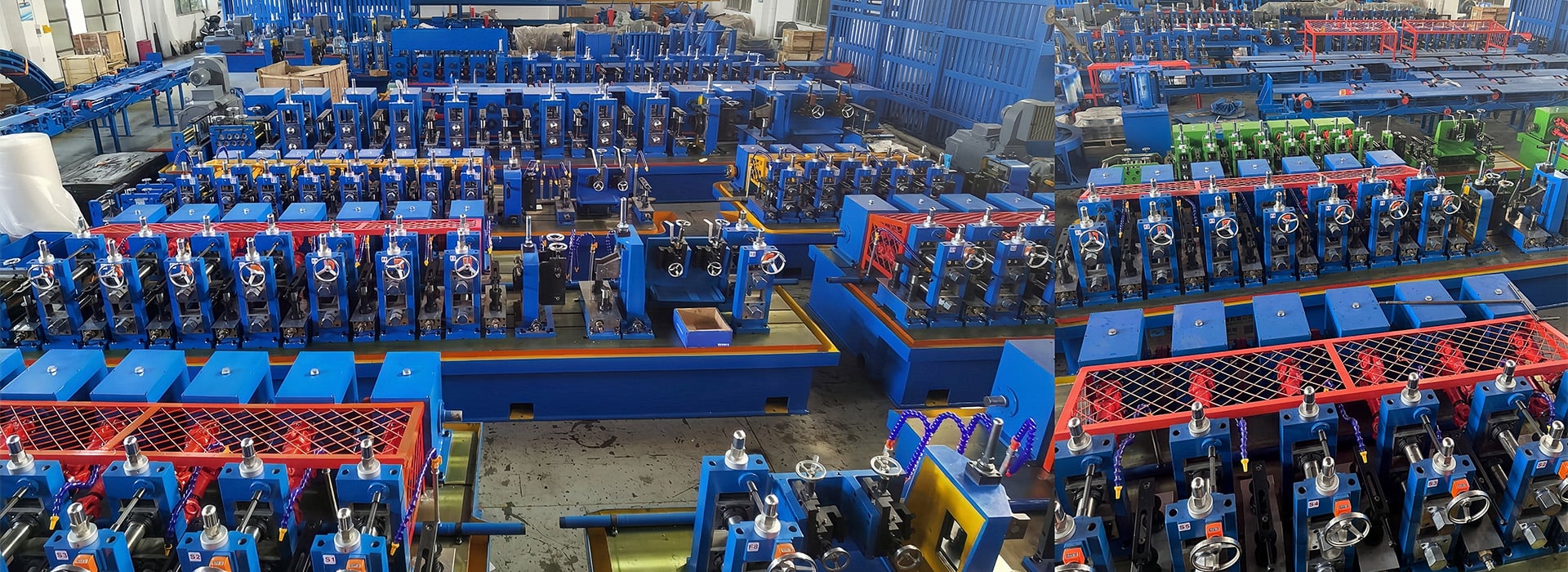
A better project plan should start before the machine reaches your factory. Buyers should prepare not only floor space, but also unloading access, electrical routing, cooling water, lifting tools, and operator participation. This helps turn delivery into real production faster.
Why Workshop Preparation Matters Before the Machine Arrives
A tube mill project does not begin on the day the equipment is unloaded. It begins when the buyer starts preparing the site, line layout, utility conditions, and working team. Poor preparation can increase installation time, while good preparation reduces confusion and repeated adjustment later.
1. Confirm the Planned Line Layout Early
Before arrival, the buyer should confirm where the main sections will be placed, including:
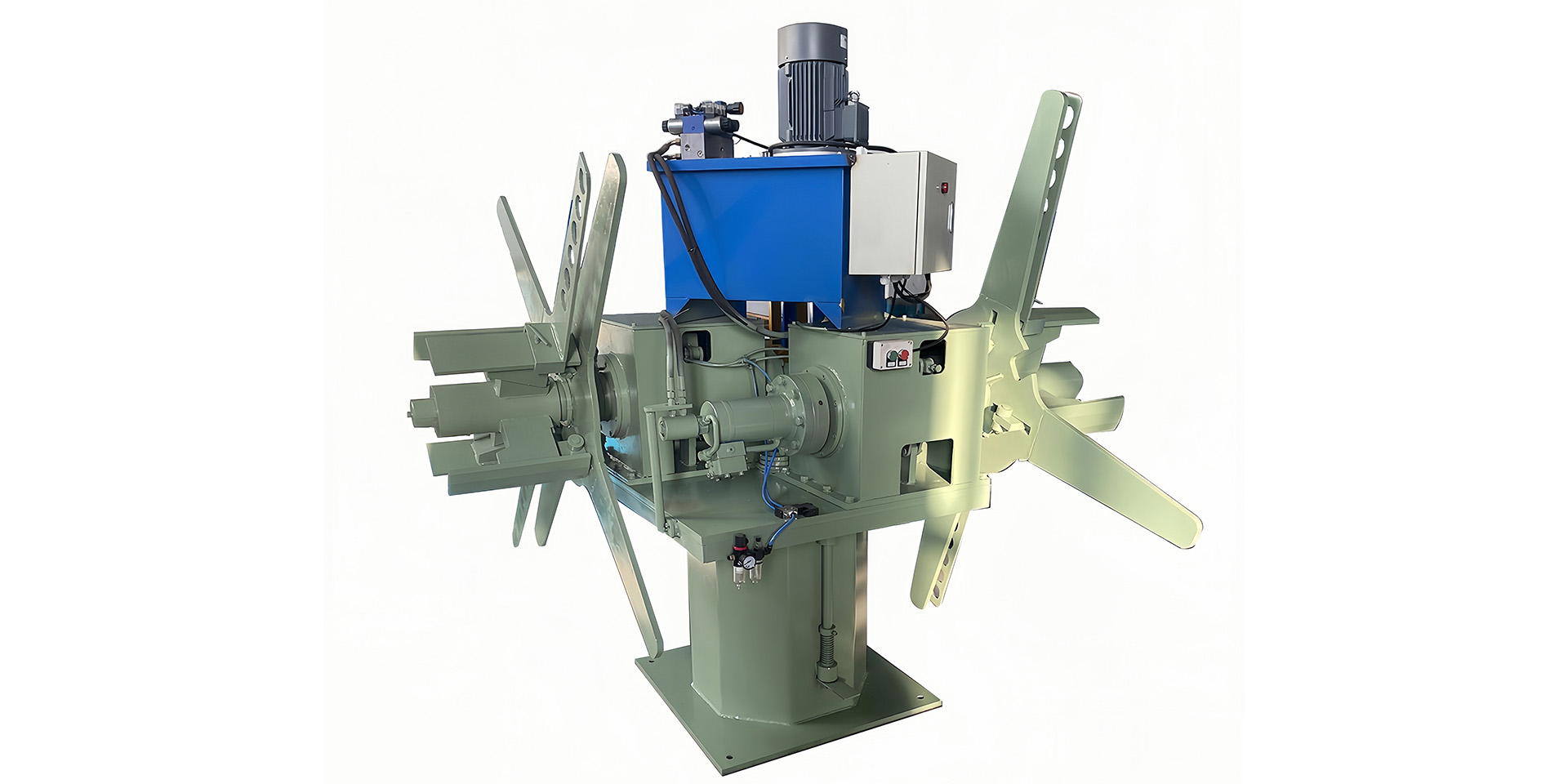
- Uncoiler area
- Shearing and butt welding area
- Accumulator area
- Forming and sizing section
- HF welder area
- Cutting section
- Run-out table and collection zone
This helps the workshop prepare floor area and movement paths clearly.
2. Prepare Unloading and Handling Access
Buyers should check whether trucks can reach the unloading point safely and whether lifting equipment is ready. It is useful to confirm:
- Forklift or crane availability
- Door and route width
- Floor load suitability
- Temporary storage area if needed
These points are easy to overlook, but they affect how smoothly the installation can start.
3. Confirm Power and Cable Planning
Electrical preparation should not wait until the machine is already on the floor. Buyers should prepare:
- Main power source
- Voltage and frequency confirmation
- Cable routing path
- Space for control cabinets
- HF welder power connection plan
Without this, the machine may be positioned correctly but still not ready for commissioning.
4. Cooling Water and Utility Support Should Be Ready
For many ERW tube mill projects, cooling water preparation is just as important as the electrical system. Buyers should review:
- Water circulation route
- Cooling tank or cooling tower position
- Return water path
- General utility support around the line

5. Keep Raw Material Ready for Commissioning
Buyers should prepare the strip material for commissioning before the supplier team finishes installation. Without suitable raw material, the project cannot move smoothly from mechanical installation into real test production.
6. Arrange the Operator Team in Advance
Operator training works much better when the actual team is available during installation and commissioning. Buyers should make sure the future production team can join key steps instead of sending a temporary group that will not run the machine later.
7. Prepare Basic Safety and Working Conditions
Workshop preparation should also include general safety and working conditions, such as lighting, access around the line, and safe movement paths during installation and trial running.
8. Match Workshop Readiness with Delivery Schedule
The buyer should not treat shipment date as the only deadline. Workshop readiness should be planned backward from the expected arrival date so that unloading, positioning, installation, and commissioning can connect without unnecessary waiting.
What Buyers Should Prepare Before Asking for Final Installation Support
- Tube specification
- Machine scope
- Workshop layout
- Power and utility condition
- Raw material availability
- Operator team arrangement
- Expected start-up target date
Related Reading
- How to Plan Tube Mill Installation and Commissioning Timeline After Delivery
- Tube Mill Installation Checklist: Power, Workshop Space and Utility Requirements Before Delivery
- How to Check Tube Mill Power Consumption and Utility Scope Before Ordering
- Contact XFX for a Tube Mill Project Review
FAQ
When should workshop preparation begin for a tube mill project?
It should begin before the machine arrives, ideally during the final project confirmation and delivery planning stage.
Is power preparation enough before installation?
No. Buyers should also prepare cooling water, cable routing, line layout, unloading access, and operator support.
Why should raw material be ready before commissioning?
Because the supplier cannot complete meaningful test production if the actual strip material is not available during commissioning.
Should the future operator team join installation and commissioning?
Yes. It makes training more practical and helps the real production team understand the line from the start.
CTA
If your tube mill project is moving toward delivery, send your workshop layout, utility condition, target tube sizes, and expected start-up date. XFX can help you review whether your workshop is ready before the machine arrives.
Recent Posts

October 26, 2016
The Most Successful Engineering ContractorJun 09, 2026
How to Reduce Scrap Rate in ERW Tube Mill ProductionRequest a Tube Mill Quote
Tube Mill Inquiry Information
Line Quantity
Unit
Set
Please send your tube shape, exact tube size, wall thickness, raw material, country, purchase time, WhatsApp or email, and company name. XFX will help check the suitable tube mill model and configuration for your production plan.