-
tel: +86-133 3812 3788
-
email: erwpipemill@gmail.com

EN
How to Confirm Final Tube Mill Machine Scope Before Production Starts
May 18, 2026
Many tube mill projects become more difficult not because the supplier cannot manufacture the machine, but because the final scope is not confirmed clearly enough before production starts. If buyers and suppliers do not align the machine scope, tooling scope, optional equipment, and support expectations early, confusion can appear later during manufacturing, delivery, or installation.
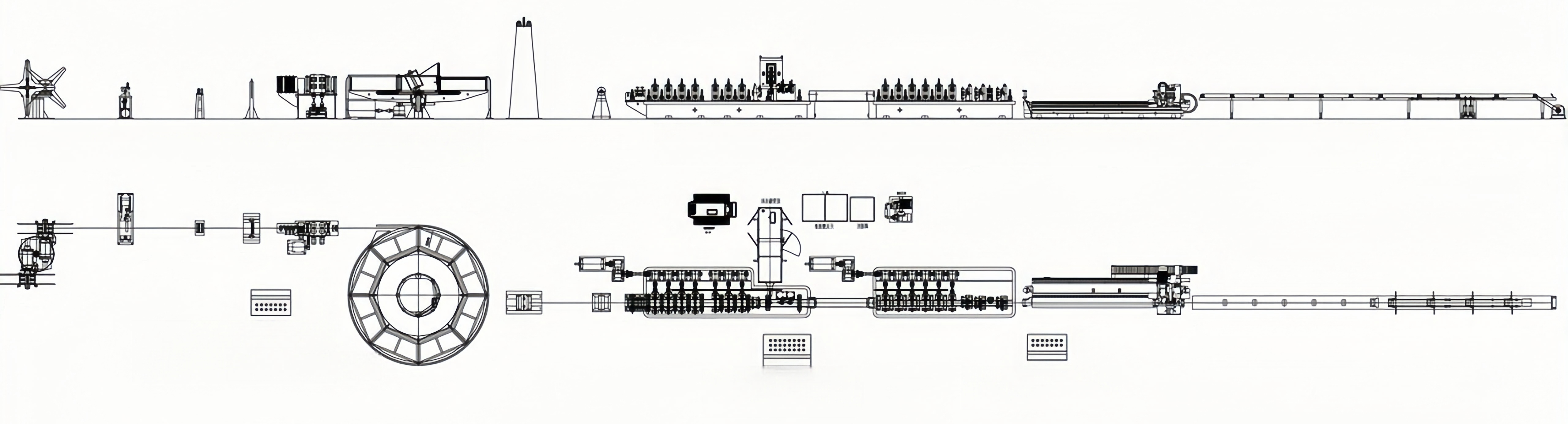
A better project does not only have a quotation. It has a final scope that both sides understand in the same way. This includes what the line will produce, which sections are included, which tooling is included, what optional equipment is part of the project, and what delivery and support logic should be expected.
Why Final Scope Confirmation Matters
Before production begins, the project should already be clear enough for technical preparation, tooling planning, utility review, and production scheduling. If the scope remains vague, the project can still move forward, but the risk of delay, mismatch, or misunderstanding becomes higher.
1. Confirm the Exact Product Basis
The final machine scope should begin from the exact product basis, including:
- Tube shape
- Exact tube size list
- Wall thickness
- Raw material
- Main production mix
This is the technical base for all later decisions.
2. Freeze the Main Machine Configuration
Buyers should confirm the main line configuration clearly before production starts, including whether the project scope includes:
- Uncoiler
- Shearing and butt welding
- Accumulator
- Forming and sizing section
- HF welder
- Cutting section
- Run-out table
- Electrical and hydraulic systems
Changing these points later can create avoidable delay and confusion.
3. Check Tooling Scope in Detail
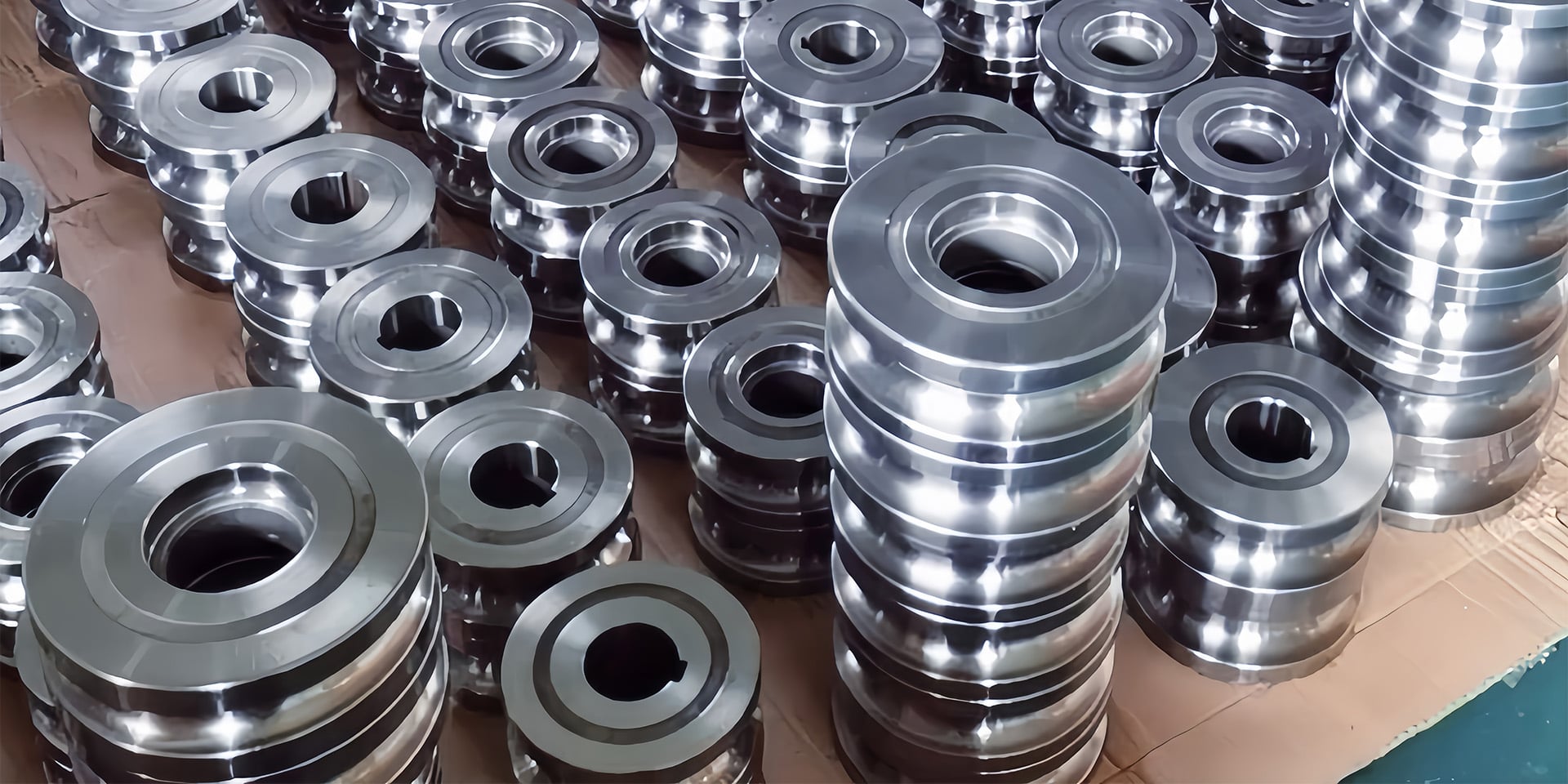
Tooling should not remain a vague part of the order. Buyers should confirm which sizes are included, whether square and rectangular tooling is included, and how the tooling package relates to the real production plan.
4. Confirm Optional Equipment Before Production Planning Moves Ahead
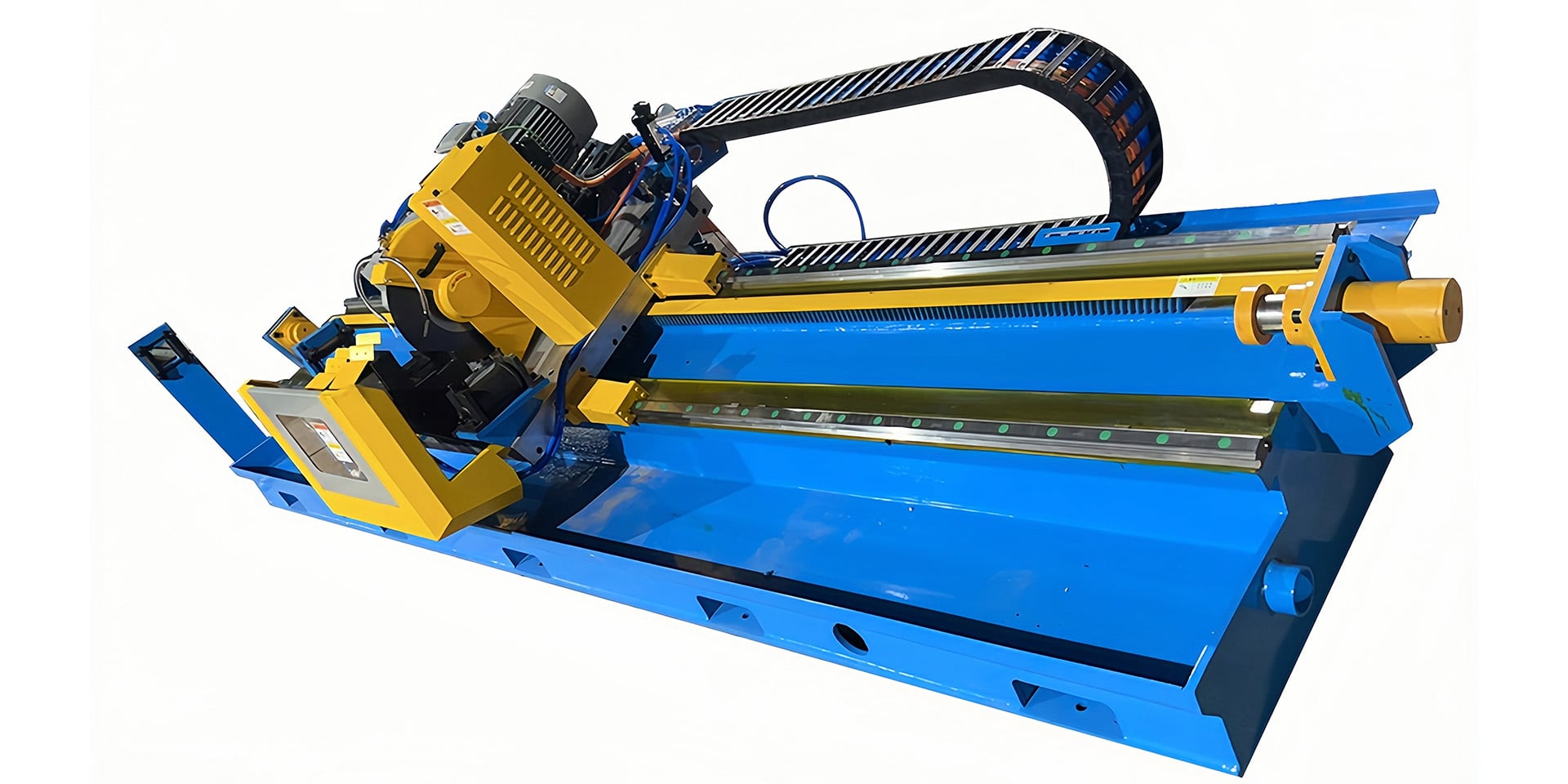
If the project may include cold saw, hydraulic uncoiler, slitting line, zinc spraying machine, automatic packing, or other auxiliary equipment, these should be confirmed early as part of the total line scope rather than added casually later.
5. Match the Utility Logic with the Final Scope
Power, cooling water, cable routing, and workshop preparation should all be reviewed against the final scope. Utility planning is more useful when buyers know exactly which sections and auxiliary units are part of the project.
6. Confirm Delivery Logic Together with Scope
Before production starts, buyers should ask what the stated schedule includes. Does it include tooling, optional equipment, testing, and packing, or only the main machine body? Final scope and delivery logic should match each other.
7. Include Service Scope in the Final Confirmation
Installation guidance, operator training, remote technical support, and spare parts support should also be part of the final project understanding. Buyers should not treat service support as something to discuss only after shipment.
8. Ask for a Final Scope Summary Before Production
One of the safest ways to reduce misunderstanding is to ask for a final scope summary that lists the technical basis, machine sections, tooling scope, optional equipment, delivery logic, and service support in one place.
What Buyers Should Check Before Production Starts
- Exact tube specification
- Main machine scope
- Tooling scope
- Optional equipment scope
- Utility logic
- Delivery logic
- Service support
- Workshop readiness
Related Reading
- What Buyers Should Confirm Before Payment Terms and Tube Mill PO Approval
- How to Reduce Delivery Delay Risk in a Tube Mill Project
- Tube Mill RFQ Checklist: What to Include in Your Inquiry for a Better Quotation
- Contact XFX to Confirm Your Final Tube Mill Scope
FAQ
Why should final scope be confirmed before production starts?
Because production planning, tooling preparation, delivery scheduling, and utility review all depend on the final agreed machine scope.
What part of the scope is most often misunderstood?
Tooling scope and optional equipment are among the most common areas of misunderstanding if they are not confirmed clearly.
Should service support be part of final scope confirmation?
Yes. Installation, training, remote support, and spare parts support are all part of the real project value.
What is the safest way to reduce confusion before production?
Ask for a final written scope summary that clearly lists the technical basis, machine sections, tooling, optional equipment, and delivery logic.
CTA
If your project is moving toward production, send your final tube specification, machine scope, tooling questions, and optional equipment list. XFX can help you review whether the final scope is clear enough before manufacturing moves forward.
Recent Posts

October 26, 2016
The Most Successful Engineering ContractorJun 09, 2026
How to Reduce Scrap Rate in ERW Tube Mill ProductionRequest a Tube Mill Quote
Tube Mill Inquiry Information
Line Quantity
Unit
Set
Please send your tube shape, exact tube size, wall thickness, raw material, country, purchase time, WhatsApp or email, and company name. XFX will help check the suitable tube mill model and configuration for your production plan.