-
tel: +86-133 3812 3788
-
email: erwpipemill@gmail.com

EN
Why the Accumulator Matters in ERW Tube Mill Continuous Production
May 19, 2026
Many tube mill buyers focus on the forming section, welding section, and cutting section first, but they sometimes underestimate how important strip continuity is for stable production. When the project includes higher speed production or more serious output targets, the accumulator becomes a practical part of the discussion. It helps the line continue running while coil joining and entry preparation happen upstream.
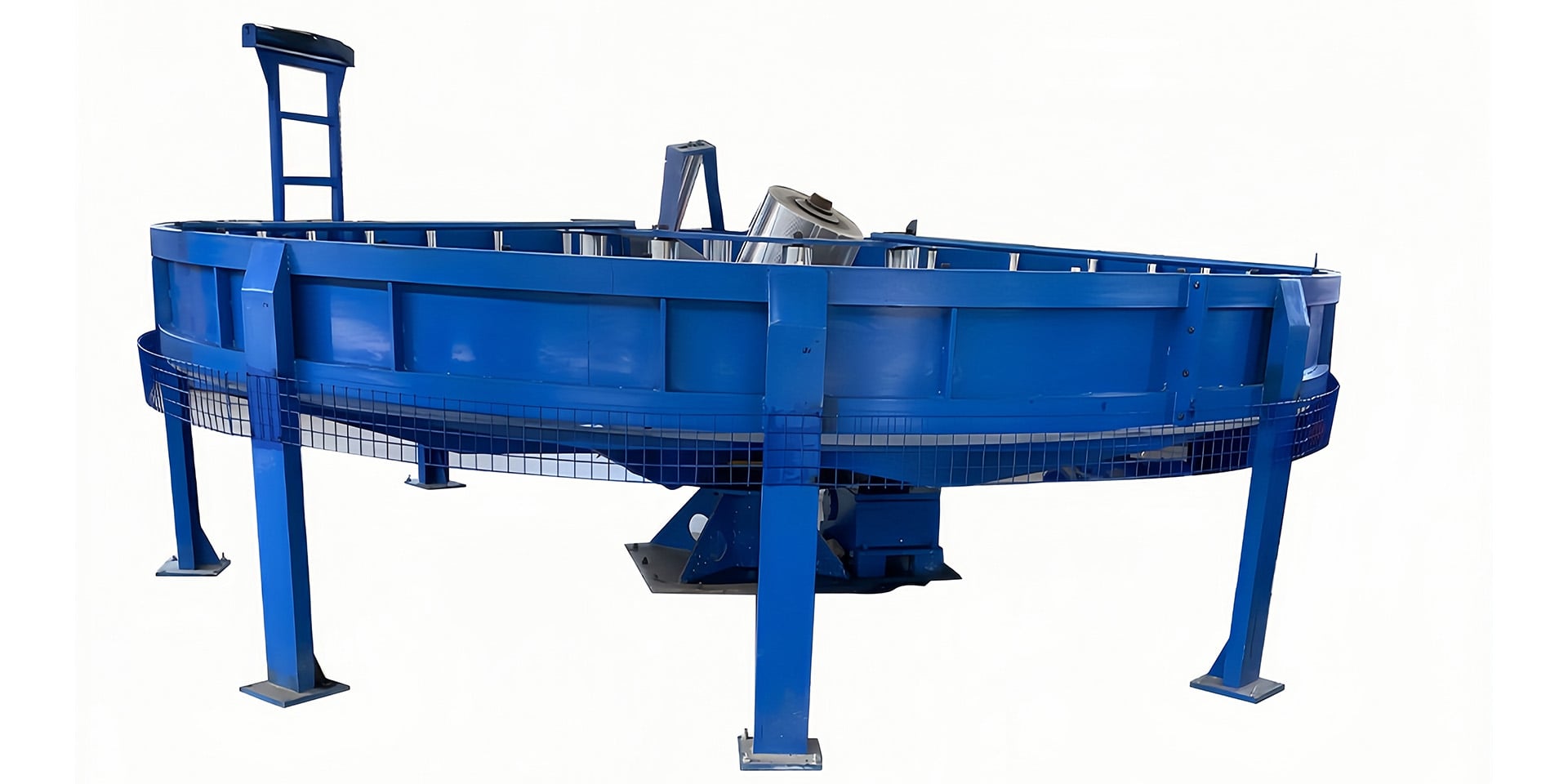
XFX can help buyers review whether the accumulator should be treated as a standard line section, a speed support section, or a critical part of the broader production logic.
Why the Accumulator Matters in ERW Tube Mill Production
An ERW tube mill line cannot keep stable production if strip feeding is constantly interrupted. During coil change, shearing, and butt welding preparation, the main line still needs strip continuity. The accumulator creates a strip reserve so the forming and welding sections can continue running more smoothly.
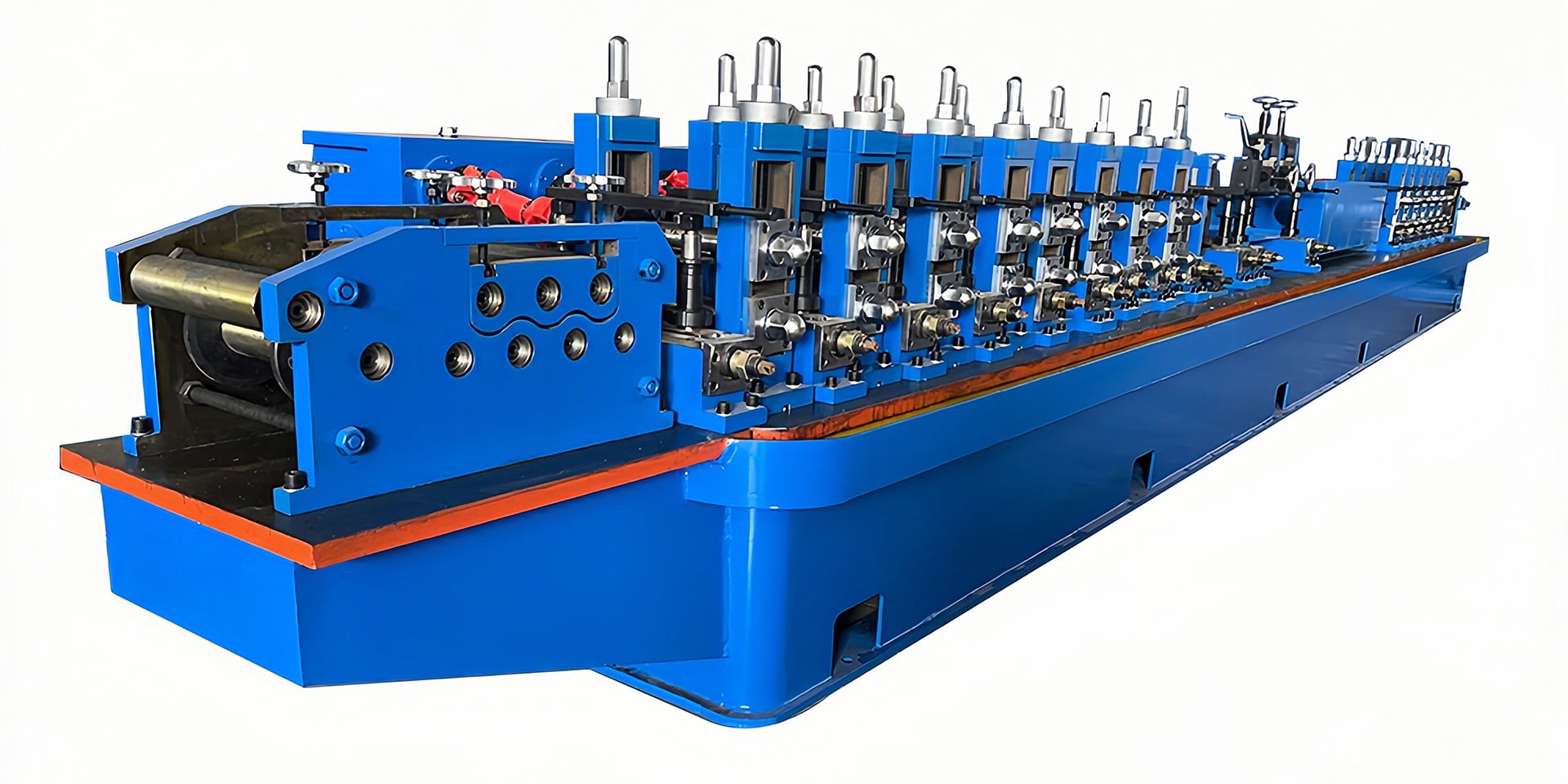
1. The Accumulator Is Not Only About Speed
Some buyers think an accumulator matters only when the line is very fast. In reality, it also matters when the project needs more stable rhythm, better production continuity, and less interruption during coil change. It supports line efficiency, not only nameplate speed.
2. Coil Change Logic Should Be Considered Early
Accumulator discussion should be connected with:
- Coil loading and unloading method
- Shearing and butt welding arrangement
- Expected production rhythm
- Operator routine
If these points are not discussed together, buyers may not understand the real value of the accumulator in the line.
3. Strip Continuity Supports Welding Stability
When strip flow is more stable, the forming section and high frequency welding section can work under more consistent conditions. This is one reason why accumulator discussion is not only an upstream issue. It also affects downstream production quality and rhythm.
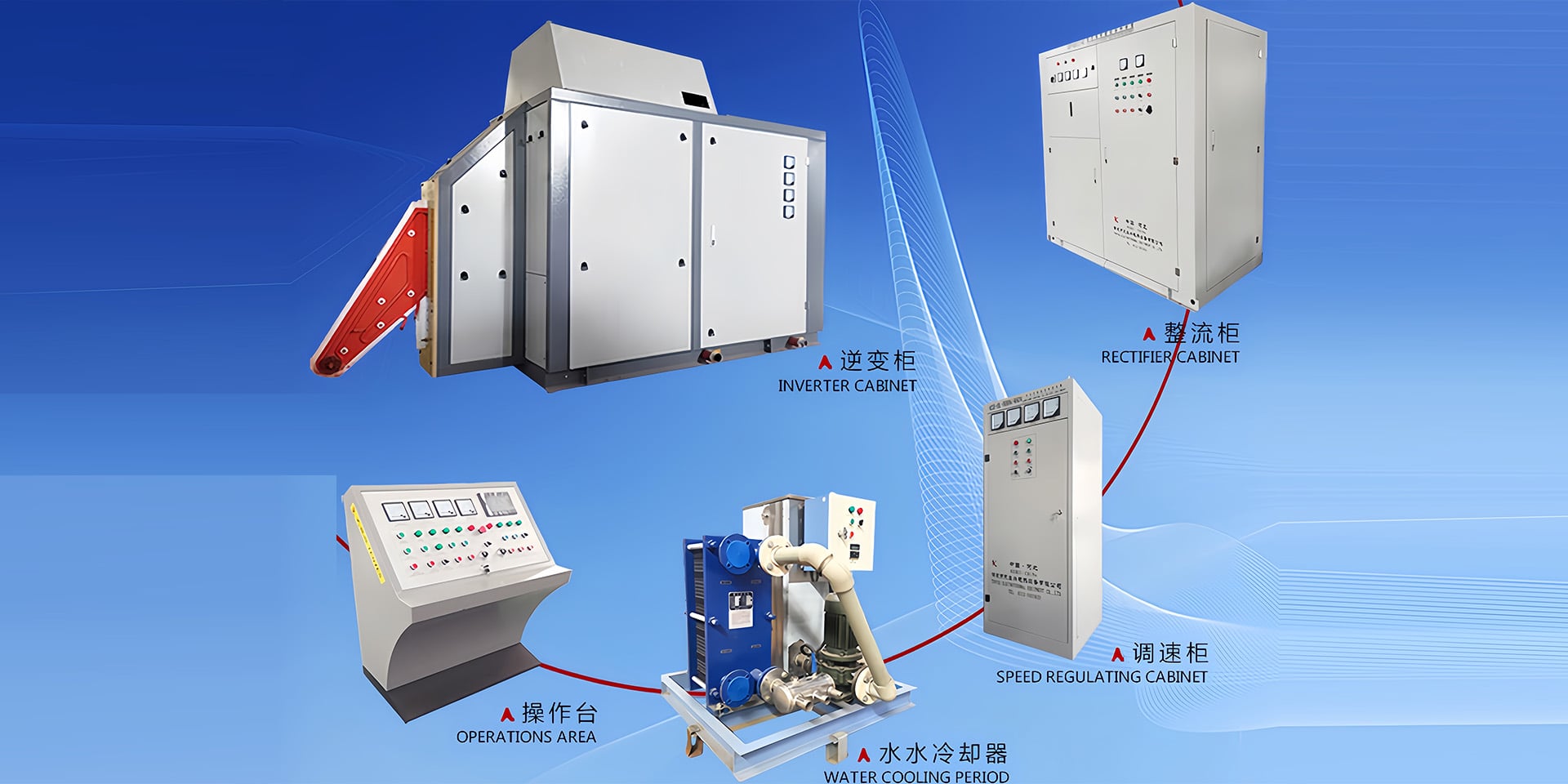
4. Horizontal and Vertical Accumulator Discussion Depends on Line Logic
Buyers may hear about horizontal accumulator and vertical accumulator, but the better question is not which name sounds better. The better question is which design fits the project layout, production plan, workshop space, and continuity target more practically.
5. Workshop Space Still Matters
An accumulator should be reviewed not only by function but also by layout. Buyers should discuss available workshop space, line direction, operator movement, and maintenance access before finalizing the arrangement.
6. The Quotation Should Explain the Accumulator Scope Clearly
If the accumulator is part of the recommendation, buyers should ask whether it is included as a standard line section, whether its configuration matches the target output, and how it fits with the rest of the entry section. This makes supplier comparison much more useful.
What Buyers Should Send Before Discussing Accumulator Scope
- Main tube sizes and wall thickness
- Expected production rhythm
- Coil loading and joining plan
- Workshop layout and available space
- Whether the project focuses more on stable rhythm or higher output
- Full line scope including upstream preparation equipment
Related Reading
- How to Match HF Welder Power with Tube Size, Wall Thickness and Production Plan
- How to Choose Slitting Line Capacity to Match Tube Mill Production
- Tube Mill Start-Up Checklist: What to Confirm Before First Production
- View Tube Mill Auxiliary Equipment
FAQ
Does every tube mill project need an accumulator?
Not every project needs the same accumulator discussion. It depends on production rhythm, strip continuity needs, coil change logic, and the practical output target.
Is the accumulator only useful for high-speed lines?
No. It is also useful for improving continuity and reducing interruption even when the discussion is not only about top speed.
Why should the accumulator be discussed with the entry section?
Because its real value depends on how coil handling, shearing, butt welding, and strip feeding work together in the line.
What is the biggest buyer mistake in accumulator discussion?
One common mistake is treating it as an isolated equipment name instead of part of the full strip continuity logic.
CTA
If your project needs more stable strip continuity or stronger production rhythm, send your tube sizes, output plan, and workshop layout. XFX can help you review whether an accumulator should be part of your tube mill configuration.
Recent Posts

October 26, 2016
The Most Successful Engineering ContractorJun 09, 2026
How to Reduce Scrap Rate in ERW Tube Mill ProductionRequest a Tube Mill Quote
Tube Mill Inquiry Information
Line Quantity
Unit
Set
Please send your tube shape, exact tube size, wall thickness, raw material, country, purchase time, WhatsApp or email, and company name. XFX will help check the suitable tube mill model and configuration for your production plan.