-
tel: +86-133 3812 3788
-
email: erwpipemill@gmail.com

EN
When Does a Tube Mill Project Also Need a Cut to Length Line?
May 19, 2026
Some tube mill buyers ask about a cut to length line at the same time they discuss slitting, coil handling, or upstream material preparation. The right answer depends on how the buyer plans to use steel coil, whether sheet preparation is part of the same factory workflow, and whether the project includes products outside continuous tube production. A practical discussion should connect the cut to length line with the tube mill project instead of treating it as an unrelated standalone machine.
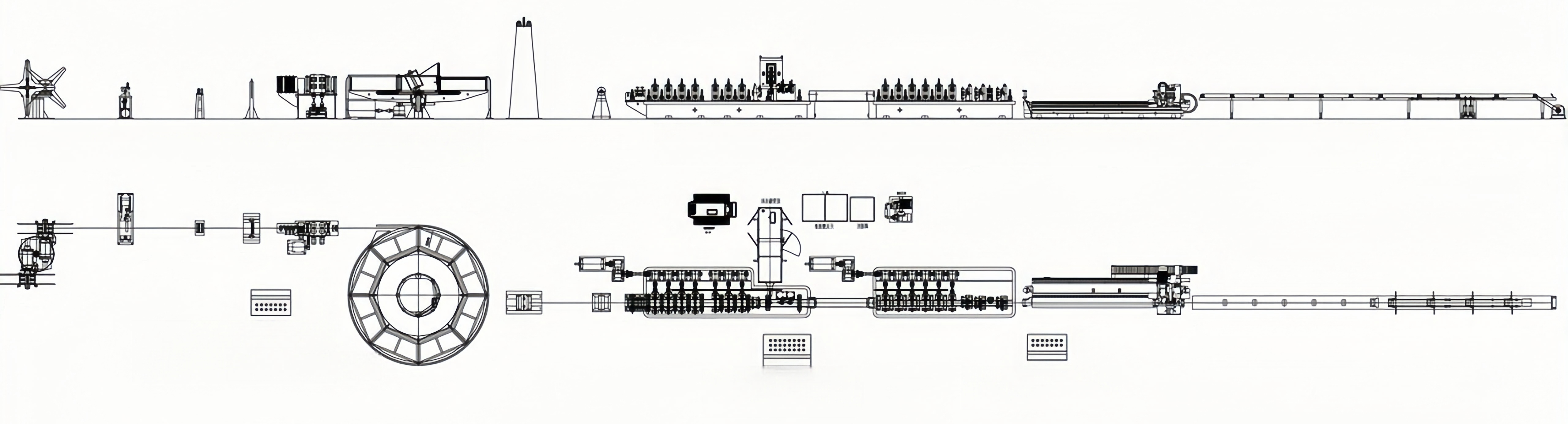
XFX can help buyers review whether a cut to length line should be discussed as a separate upstream project, a shared workshop support line, or part of a broader coil processing investment.
Why a Cut to Length Line May Matter in a Tube Mill Factory
A tube mill mainly consumes strip or coil for continuous forming and welding. But some factories also process flat sheet for related orders, secondary fabrication, or internal material preparation. In that case, a cut to length line may support overall plant efficiency even if it is not physically connected to the tube mill line.
1. Start from the Real Material Flow
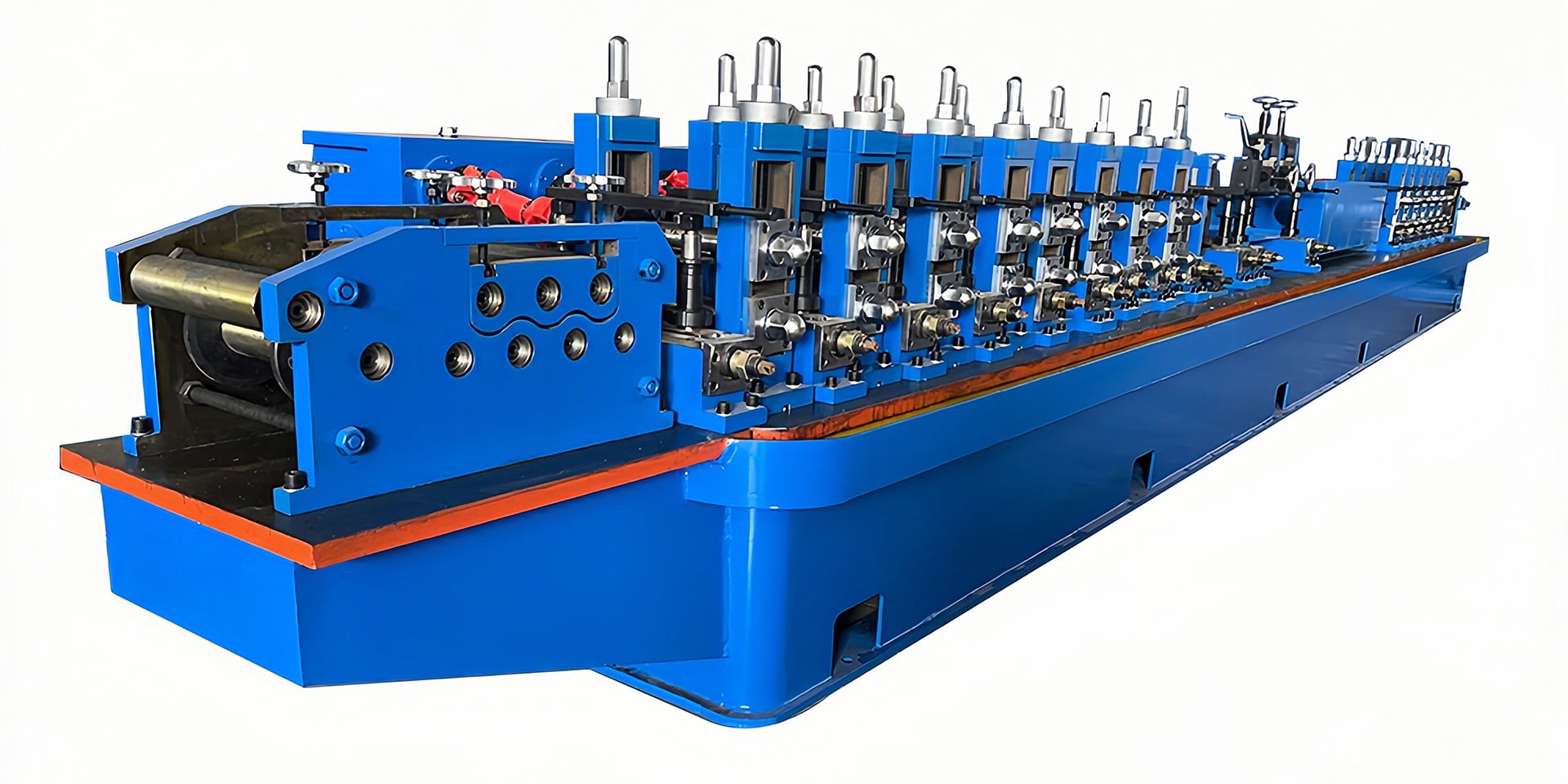
Buyers should first explain how coil enters the factory and how it will be used. Some projects need only slitting for tube production. Others also need flat sheet preparation for sheet products, stamping support, or secondary fabrication work. The cut to length discussion becomes more useful when based on the real factory workflow.
2. Tube Mill Projects and Sheet Processing Projects Should Be Separated Clearly
If the buyer plans both tube production and sheet preparation, the quotation discussion should separate these scopes clearly. This avoids confusion about what belongs to the continuous tube line and what belongs to flat sheet processing equipment.
- Tube mill line scope
- Slitting line scope
- Cut to length line scope
- Shared coil handling and workshop flow
3. Coil Thickness, Width, and Finished Sheet Length Matter Together
A cut to length line should not be discussed only by coil width. Buyers should also explain the steel thickness range, expected finished sheet length, surface quality expectation, and how often size changes will happen in practice.
4. Ask Whether the Line Is Only for Internal Use or for Outside Orders
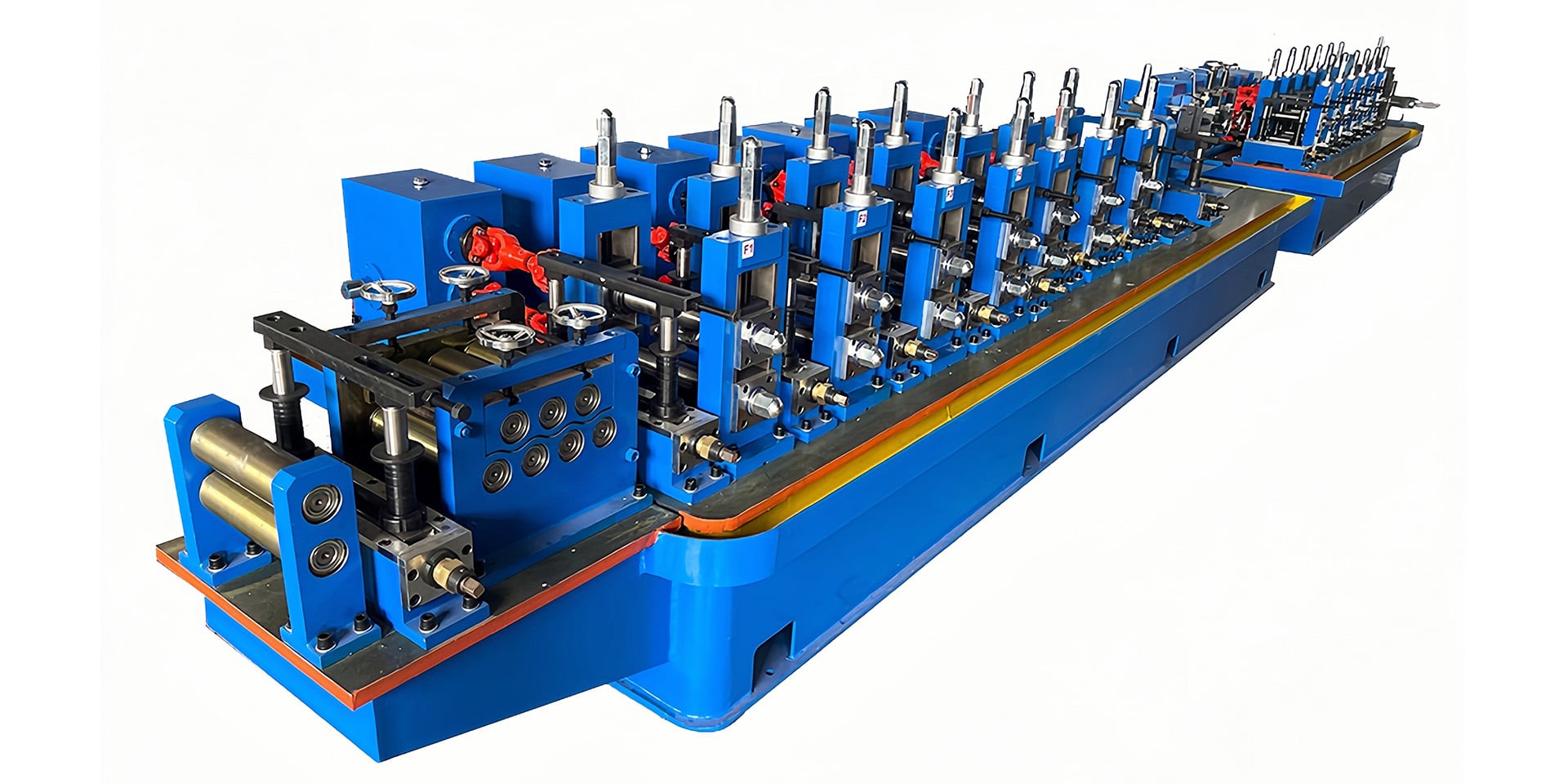
Some factories use a cut to length line only for their own production support. Others also process material for outside customers. This changes the practical meaning of line speed, automation level, and handling scope. It is better to define this before quotation.
5. Workshop Space and Material Handling Are Critical
Even when the technical range looks suitable, the project may still become difficult if workshop space, loading direction, forklift route, or finished sheet stacking logic are not reviewed early. Buyers should discuss layout and handling together with technical scope.
6. The Quotation Should Clarify How the Cut to Length Line Fits the Overall Project
If the buyer is considering a broader coil processing investment, the quotation should explain whether the cut to length line is a separate recommendation, an optional addition, or part of a combined plant solution. This makes supplier comparison much clearer.
What Buyers Should Send Before Discussing a Cut to Length Line
- Coil width range
- Coil thickness range
- Finished sheet length requirement
- Whether the line is for internal support or outside processing
- Workshop space and material handling condition
- How the line relates to the broader tube mill project
Related Reading
- How to Choose Slitting Line Capacity to Match Tube Mill Production
- How Coil Width, Strip Material and Slitting Line Coordination Affect Tube Mill Production
- Tube Mill RFQ Checklist: What to Include in Your Inquiry for a Better Quotation
- View Tube Mill Auxiliary Equipment
FAQ
Does every tube mill project need a cut to length line?
No. It depends on whether the factory also needs flat sheet preparation in addition to strip support for tube production.
Can I discuss a cut to length line only by coil width?
No. Buyers should also provide thickness range, finished sheet length, workflow purpose, and workshop condition.
Should a cut to length line be included in the same quotation as a tube mill?
It can be discussed together, but the scope should be separated clearly so buyers understand what belongs to tube production and what belongs to sheet processing.
What is the biggest mistake when planning a cut to length line?
One common mistake is reviewing the technical range without reviewing actual material flow, handling logic, and workshop space.
CTA
If your factory project includes both tube production and coil processing, send your coil width, thickness, finished sheet length, and workshop plan. XFX can help you review whether a cut to length line should be part of the broader project scope.
Recent Posts

October 26, 2016
The Most Successful Engineering ContractorJun 09, 2026
How to Reduce Scrap Rate in ERW Tube Mill ProductionRequest a Tube Mill Quote
Tube Mill Inquiry Information
Line Quantity
Unit
Set
Please send your tube shape, exact tube size, wall thickness, raw material, country, purchase time, WhatsApp or email, and company name. XFX will help check the suitable tube mill model and configuration for your production plan.