-
tel: +86-133 3812 3788
-
email: erwpipemill@gmail.com

EN
How to Plan Tube Mill Installation and Commissioning Timeline After Delivery
May 18, 2026
For many overseas buyers, delivery is only one part of the project timeline. After the tube mill arrives, the real question becomes: how long will installation, commissioning, operator training, and first production take? A practical installation timeline helps buyers prepare the workshop, utility conditions, team schedule, and start-up plan more clearly.
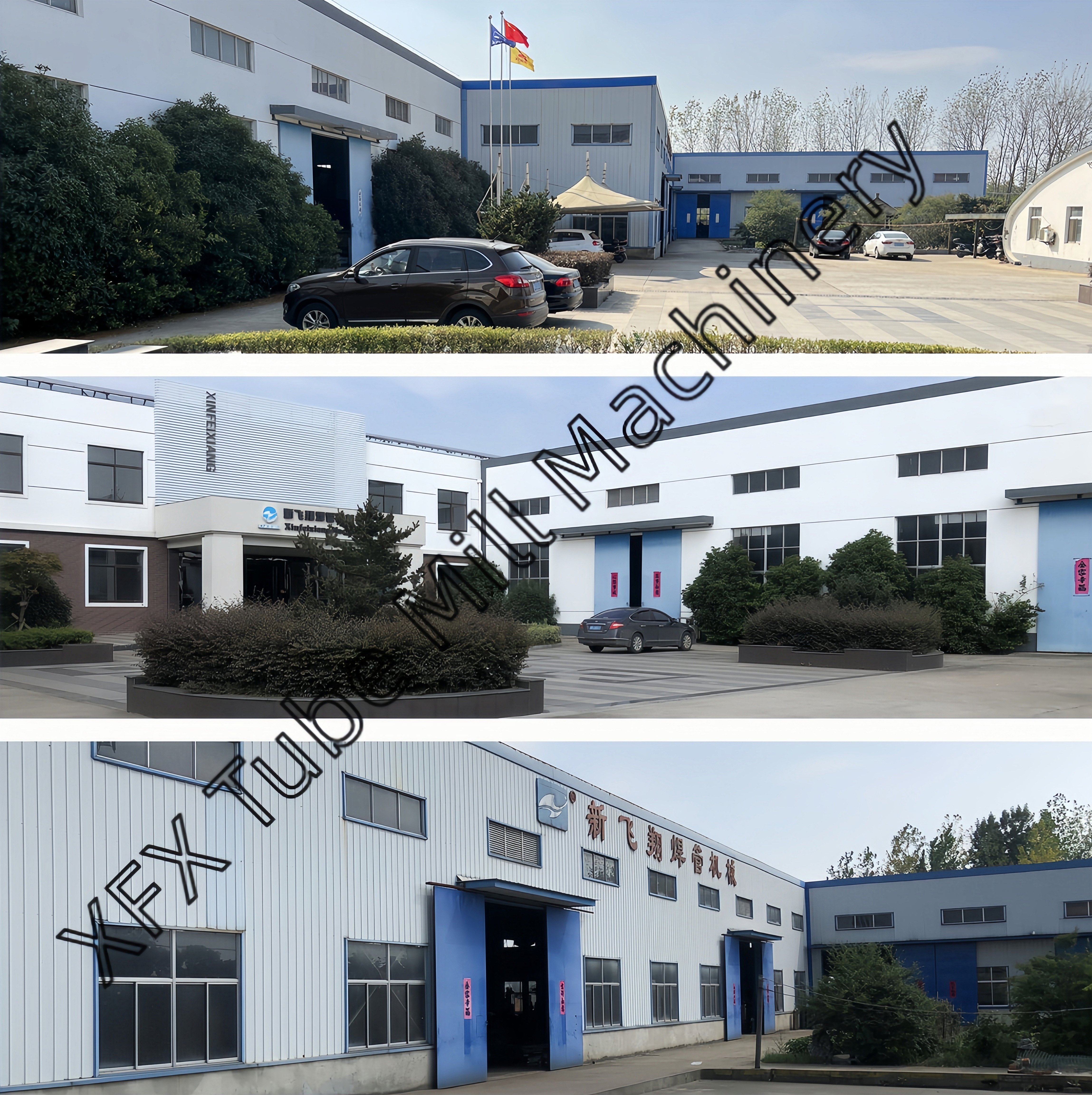
If the buyer only asks about shipment date but does not plan the installation timeline, the project can still be delayed after the machine reaches the factory. Good project control should include pre-installation preparation, unloading, machine positioning, utility connection, commissioning, operator training, and first production verification.
Why Installation Timeline Matters
A tube mill is not ready for stable production immediately after arrival. Even when the machine is manufactured correctly, the project still depends on workshop readiness, lifting arrangement, electrical connection, cooling water, line alignment, and operator cooperation during start-up. A realistic installation timeline helps both the buyer and supplier work more efficiently.
1. Pre-Installation Preparation Starts Before the Machine Arrives
Buyers should prepare these points early:
- Workshop space
- Foundation or machine layout area
- Power supply and cable routing
- Cooling water arrangement
- Lifting equipment
- Operator team availability
If these conditions are not ready, even a machine that arrives on time may wait before installation can really begin.
2. Unloading and Positioning Should Follow the Layout Plan
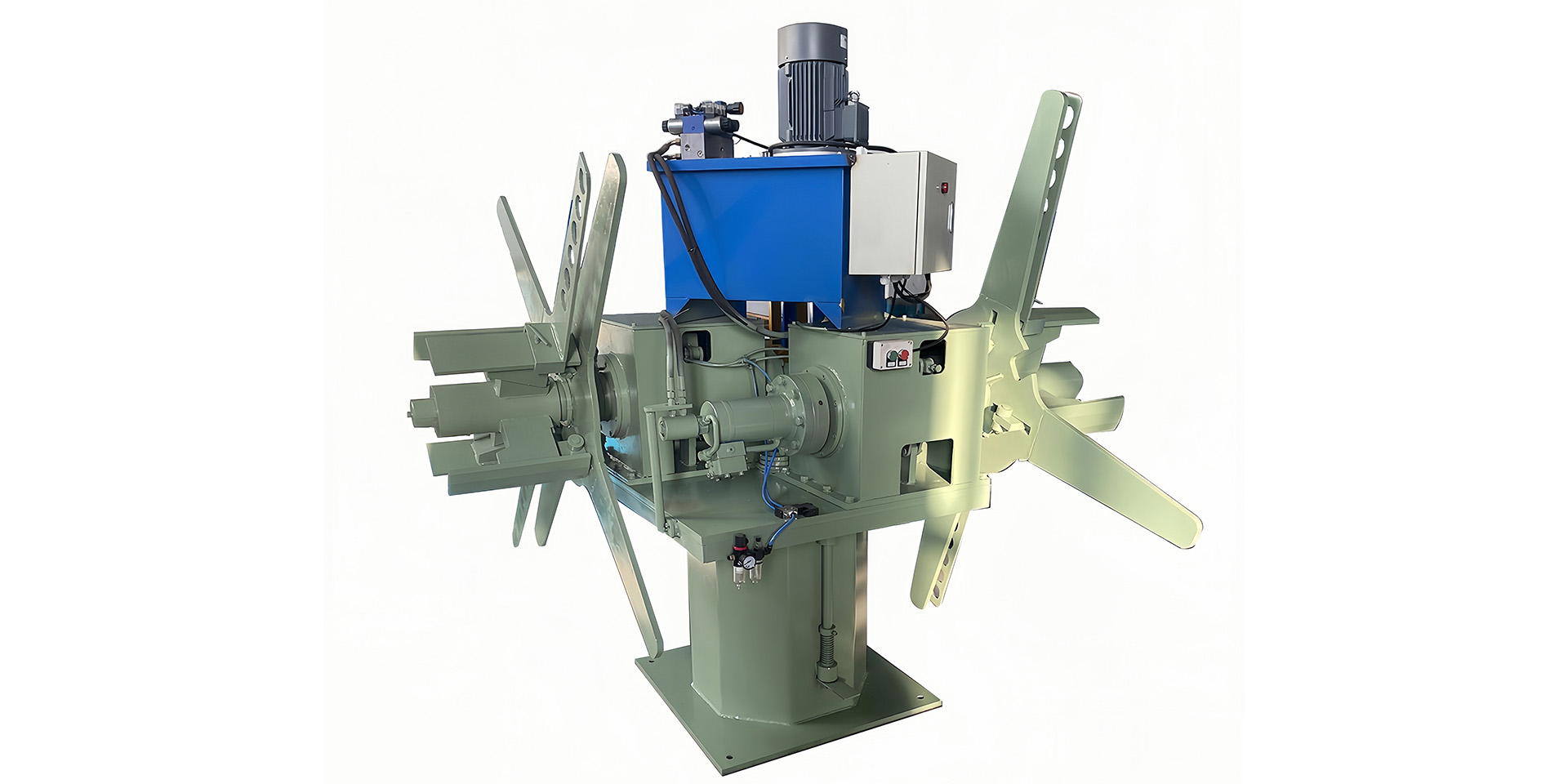
After arrival, the machine sections should be unloaded and placed according to the planned line sequence. This usually includes uncoiler area, entry section, forming section, welding section, sizing section, cutting section, and run-out area. Good positioning at the start can save adjustment time later.
3. Utility Connection Is Part of the Timeline
Installation is not only mechanical assembly. Buyers should also consider:
- Main electrical connection
- HF welder connection
- Cooling water circulation
- Hydraulic and pneumatic connections
- Safety checks before start-up
These steps often affect the real commissioning schedule.
4. Commissioning Time Depends on Preparation Quality
Commissioning is smoother when the buyer has already confirmed utility readiness, material availability, and operator support. If strip material is not ready, if the workshop power is unstable, or if no operator team is present, commissioning may take longer than expected.

5. Operator Training Should Be Included in the Schedule
Buyers should not treat operator training as a separate afterthought. Good training usually happens during installation and commissioning. The operator team should learn basic machine sequence, lubrication, size adjustment, welding checks, cutting checks, and routine inspection while the line is being prepared for production.
6. First Production Verification Takes Time
The first acceptable tube is an important step, but it is not yet the same as stable production. Buyers should allow time for:
- Tube size adjustment
- Wall thickness verification
- Weld seam quality check
- Cutting accuracy check
- Operator familiarization
7. Ask the Supplier What Support Is Included During Installation
Before ordering, buyers should confirm whether the supplier will support:
- Installation guidance
- Commissioning assistance
- Operator training
- Remote technical support after start-up
- Spare parts follow-up if needed
This helps set more realistic expectations for the project timeline.
8. Installation Timeline Should Connect with Delivery Time
Delivery date and installation timeline should be planned together. A realistic project schedule includes shipment, arrival, workshop readiness, installation, commissioning, and first production instead of looking only at one date.
9. What Buyers Should Prepare Before Asking About Installation Time
- Tube specification
- Machine scope
- Workshop condition
- Local voltage and cooling arrangement
- Operator team availability
- Preferred start-up target
Related Reading
- What Affects Tube Mill Delivery Time and What Should Buyers Confirm Early?
- Tube Mill Installation Checklist: Power, Workshop Space and Utility Requirements Before Delivery
- Tube Mill Installation and Operator Training: What Overseas Buyers Should Prepare
- View Tube Mill Machines and Auxiliary Equipment
FAQ
Is shipment date the same as installation completion?
No. Shipment date is only one step. Buyers should also plan for unloading, positioning, utility connection, commissioning, and operator training.
What can delay tube mill commissioning?
Common reasons include incomplete workshop preparation, unstable power, unavailable strip material, missing operators, or unclear machine positioning.
Should operator training be included in the installation schedule?
Yes. Training is more effective when it happens together with real machine installation and commissioning work.
What information should I send to discuss an installation timeline?
Send your tube specification, machine scope, workshop readiness, utility condition, and target production schedule.
CTA
If you are planning a new tube mill project, send your tube specifications, workshop condition, utility readiness, and target start-up time. XFX can help you discuss a more practical installation and commissioning timeline.
Recent Posts

October 26, 2016
The Most Successful Engineering ContractorJun 09, 2026
How to Reduce Scrap Rate in ERW Tube Mill ProductionRequest a Tube Mill Quote
Tube Mill Inquiry Information
Line Quantity
Unit
Set
Please send your tube shape, exact tube size, wall thickness, raw material, country, purchase time, WhatsApp or email, and company name. XFX will help check the suitable tube mill model and configuration for your production plan.