-
tel: +86-133 3812 3788
-
email: erwpipemill@gmail.com

EN
Cold Saw vs Slitting Line vs Cut to Length Line: What Tube Mill Buyers Should Separate Clearly
May 19, 2026
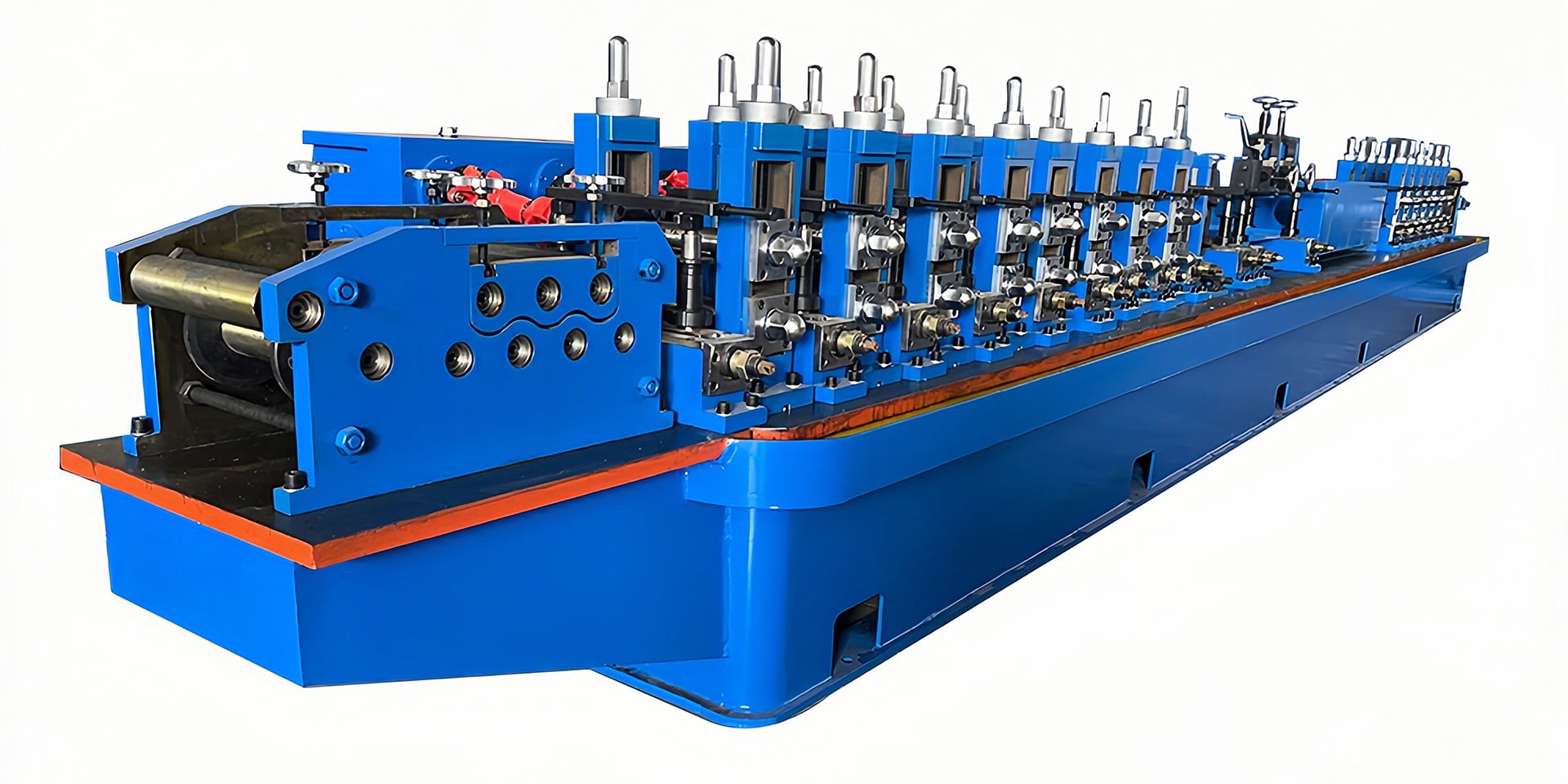
Tube mill buyers sometimes discuss cold saw, slitting line, and cut to length line in the same conversation, but these three machines do not solve the same production problem. If the discussion is mixed together too early, the project scope can become confusing. A better approach is to understand where each machine fits in the overall production flow, and which one is connected with tube production, strip preparation, or flat sheet processing.
XFX can help buyers separate these decisions clearly so the quotation, workshop plan, and project logic stay practical from the beginning.
Why These Three Machines Should Not Be Mixed Together
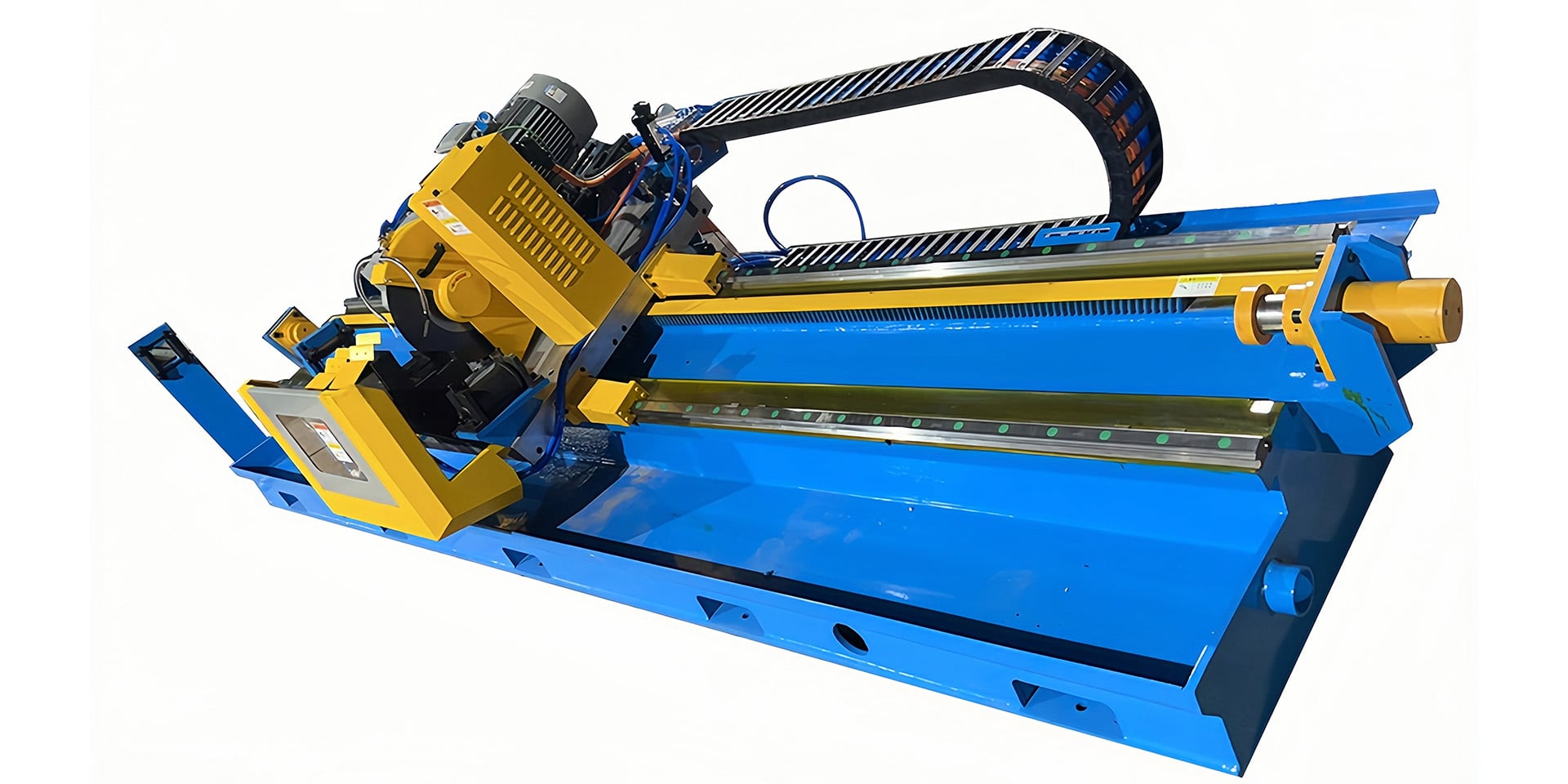
A cold saw is used in the tube mill line to cut finished tube to the required length. A slitting line prepares strip from coil before the tube mill. A cut to length line processes flat sheet from coil for sheet production or related fabrication work. They may appear in the same factory, but they have different roles in the project.
1. Cold Saw Is About Finished Tube Cutting
Cold saw selection belongs to the downstream section of the tube mill line. Buyers should discuss:
- Tube shape
- Tube size
- Wall thickness
- Expected cutting accuracy
- Production speed
It is directly connected with the finished tube quality and production rhythm.
2. Slitting Line Is About Strip Preparation
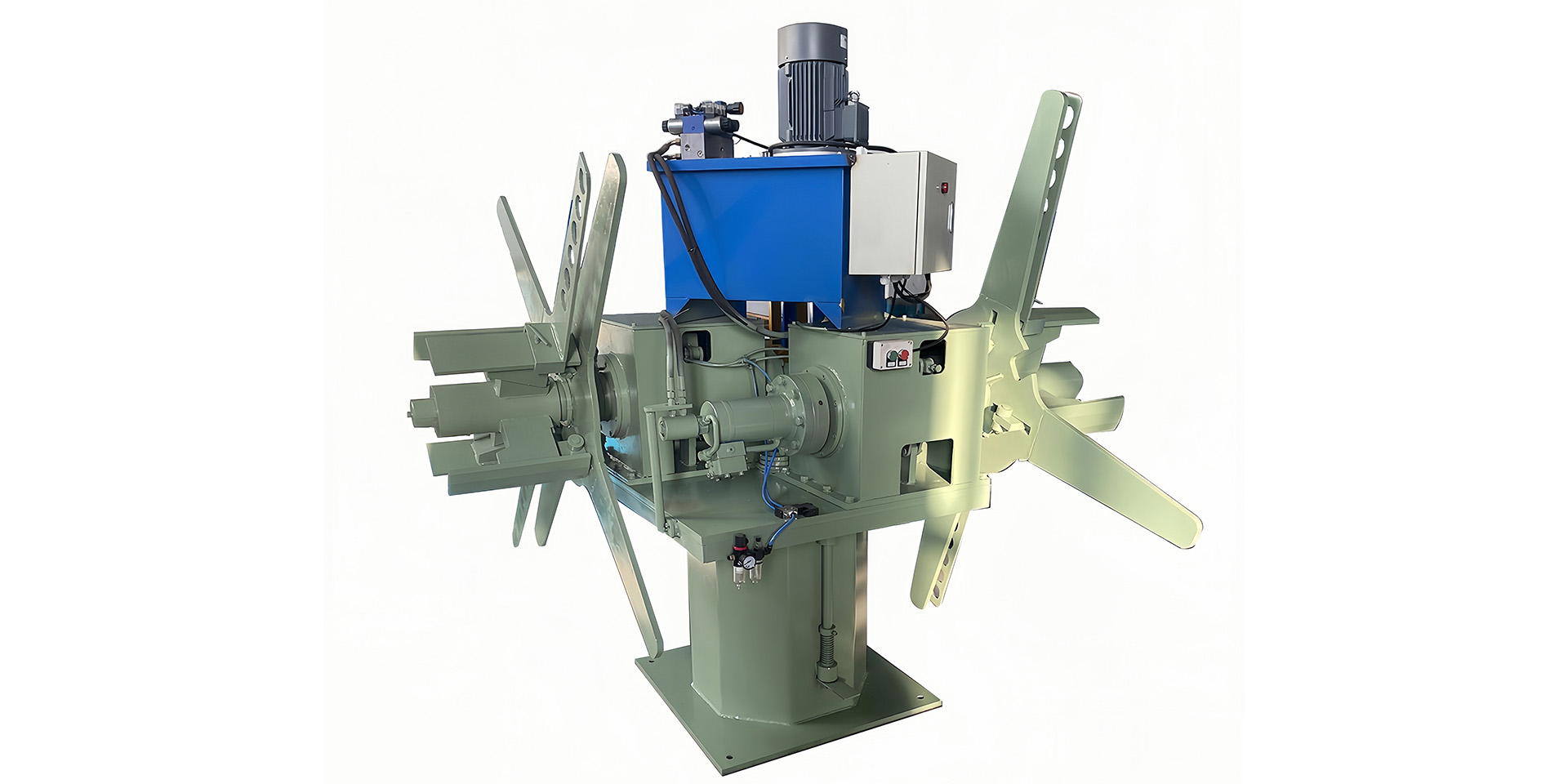
A slitting line belongs to the upstream material preparation side. Buyers should discuss slitting when the project needs internal strip preparation, better coordination with tube sizes, or broader coil processing support for the factory.
3. Cut to Length Line Is for Flat Sheet Processing
A cut to length line is not a replacement for slitting or cold saw. It is used when the buyer also needs flat sheet output from coil, either for internal use or outside processing business. It should be reviewed as part of overall plant planning, not as a substitute for tube cutting.
4. Ask What Problem You Are Trying to Solve
Before choosing any of these machines, buyers should ask:
- Do we need better finished tube cutting quality?
- Do we need internal strip preparation for the tube mill?
- Do we also need flat sheet processing from coil?
Each answer leads to a different equipment discussion.
5. One Factory May Need More Than One of Them
A more complete factory project may include all three:
- Slitting line for strip preparation
- Tube mill with cold saw for finished tube cutting
- Cut to length line for separate sheet processing work
The key is not whether they can all exist together, but whether each scope is justified by the production plan.
6. Quotation Logic Should Separate These Equipment Scopes Clearly
When buyers ask for a quotation, the supplier should explain clearly which part belongs to the main tube line, which part belongs to coil preparation, and which part belongs to flat sheet processing. This makes scope comparison much easier and reduces confusion before order confirmation.
What Buyers Should Send Before Discussing These Machines
- Main tube shape, size, and wall thickness
- Expected tube cutting requirement
- Coil width and thickness
- Whether strip preparation is needed internally
- Whether flat sheet output is also required
- Workshop layout and material handling logic
Related Reading
- How to Choose Cold Saw Capacity by Tube Size and Wall Thickness
- How to Choose Slitting Line Capacity to Match Tube Mill Production
- When Does a Tube Mill Project Also Need a Cut to Length Line?
- View Tube Mill Auxiliary Equipment
FAQ
Is cold saw the same as a cut to length line?
No. Cold saw cuts finished tube in the tube mill line, while a cut to length line processes flat sheet from coil.
Can a slitting line replace a cut to length line?
No. Slitting is for strip preparation, while cut to length is for flat sheet output.
Can one project include cold saw, slitting, and cut to length together?
Yes, if the production plan really needs all three. But the scope should be separated clearly in the project discussion.
What is the biggest risk when buyers mix these machines together?
The biggest risk is quotation confusion. The buyer may compare scopes that do not solve the same production task.
CTA
If your project is discussing cold saw, slitting line, and cut to length line at the same time, send your tube sizes, coil information, and factory workflow plan. XFX can help you separate the scope and review a more practical equipment solution.
Recent Posts

October 26, 2016
The Most Successful Engineering ContractorJun 09, 2026
How to Reduce Scrap Rate in ERW Tube Mill ProductionRequest a Tube Mill Quote
Tube Mill Inquiry Information
Line Quantity
Unit
Set
Please send your tube shape, exact tube size, wall thickness, raw material, country, purchase time, WhatsApp or email, and company name. XFX will help check the suitable tube mill model and configuration for your production plan.