-
tel: +86-133 3812 3788
-
email: erwpipemill@gmail.com

EN
What Spare Parts Should You Prepare Before Tube Mill Start-Up?
May 18, 2026
Many buyers focus on machine price and delivery time, but forget to ask what spare parts should be prepared before the tube mill starts production. A simple spare parts plan can reduce downtime risk and make start-up smoother.
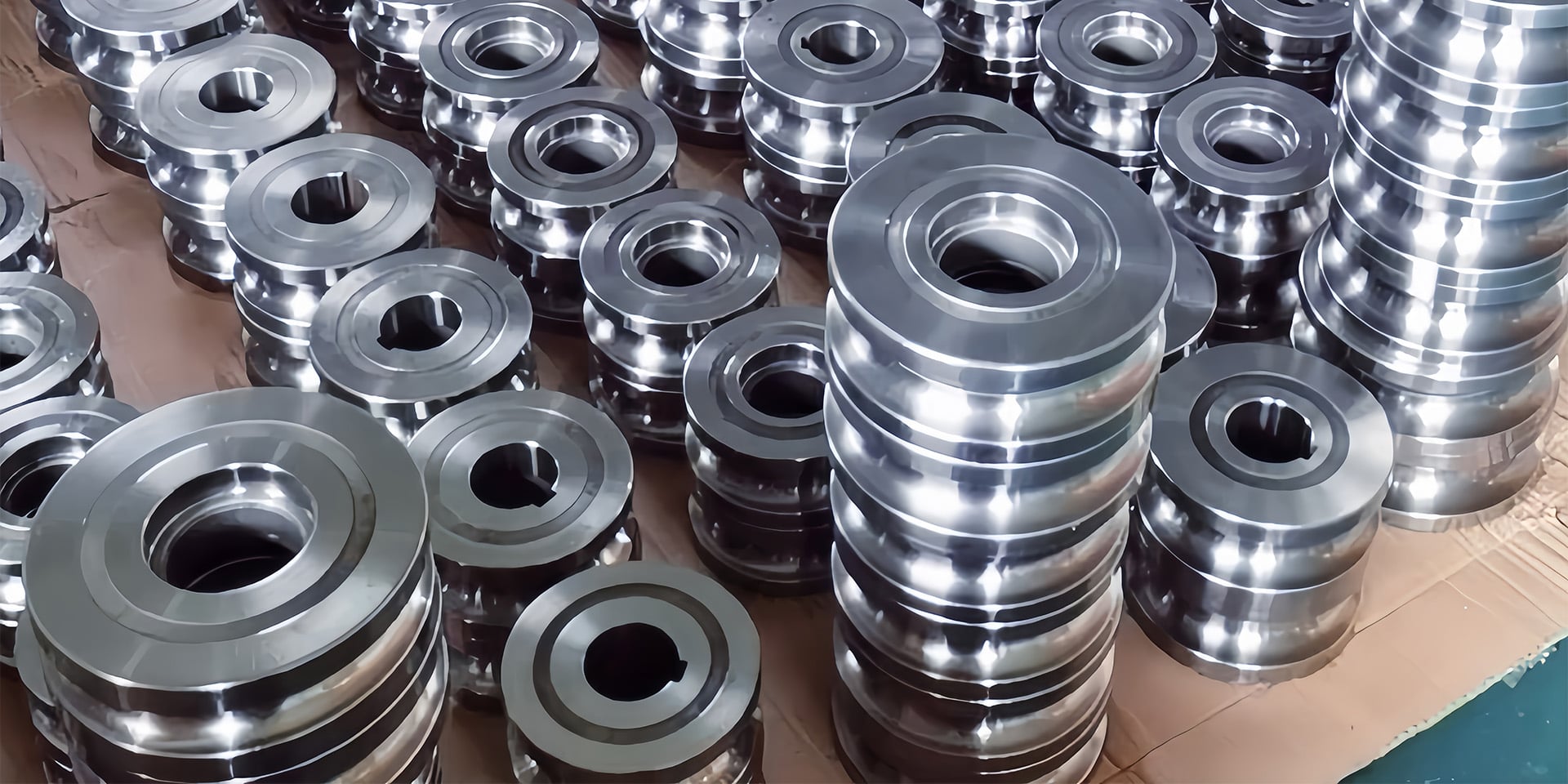
For an overseas tube mill project, spare parts preparation is especially important because shipping time can be long and local sourcing may not match the original specification. Buyers should review critical wear parts and basic backup items before the line begins commercial production.
Why Spare Parts Planning Should Start Before Production
When a new line starts running, the operator team is still learning, roll adjustment is still being optimized, and production rhythm is not yet stable. If one small but essential component is missing, the whole line may stop longer than expected.
1. Separate Critical Parts from Routine Consumables
Buyers should ask the supplier to divide spare parts into categories such as:
- Critical electrical components
- Hydraulic and pneumatic consumables
- Mechanical wear parts
- Cutting-related consumables
- Welding-related spare items
- Operator maintenance tools
This makes the list easier to understand and budget.

2. Focus First on Parts That Can Stop the Line
Not every item needs to be stocked in the same quantity. First ask which parts can stop production if they fail unexpectedly. These may include key electrical items, selected bearings, sensors, seals, welding-related components, or cutting consumables depending on the line scope.
3. Review Spare Parts Together with Your Real Configuration
The spare parts list changes when the project includes optional equipment such as:
- Cold saw cutting
- Hydraulic uncoiler
- Automatic packing
- Zinc spraying machine
- Slitting line
The buyer should not use a generic list if the actual line scope is different.
4. Ask Which Parts Should Be Delivered with the Machine
It is helpful to confirm which spare items should be included in the initial shipment and which can be ordered later. For overseas projects, it is often safer to ship basic start-up spare parts together with the machine.
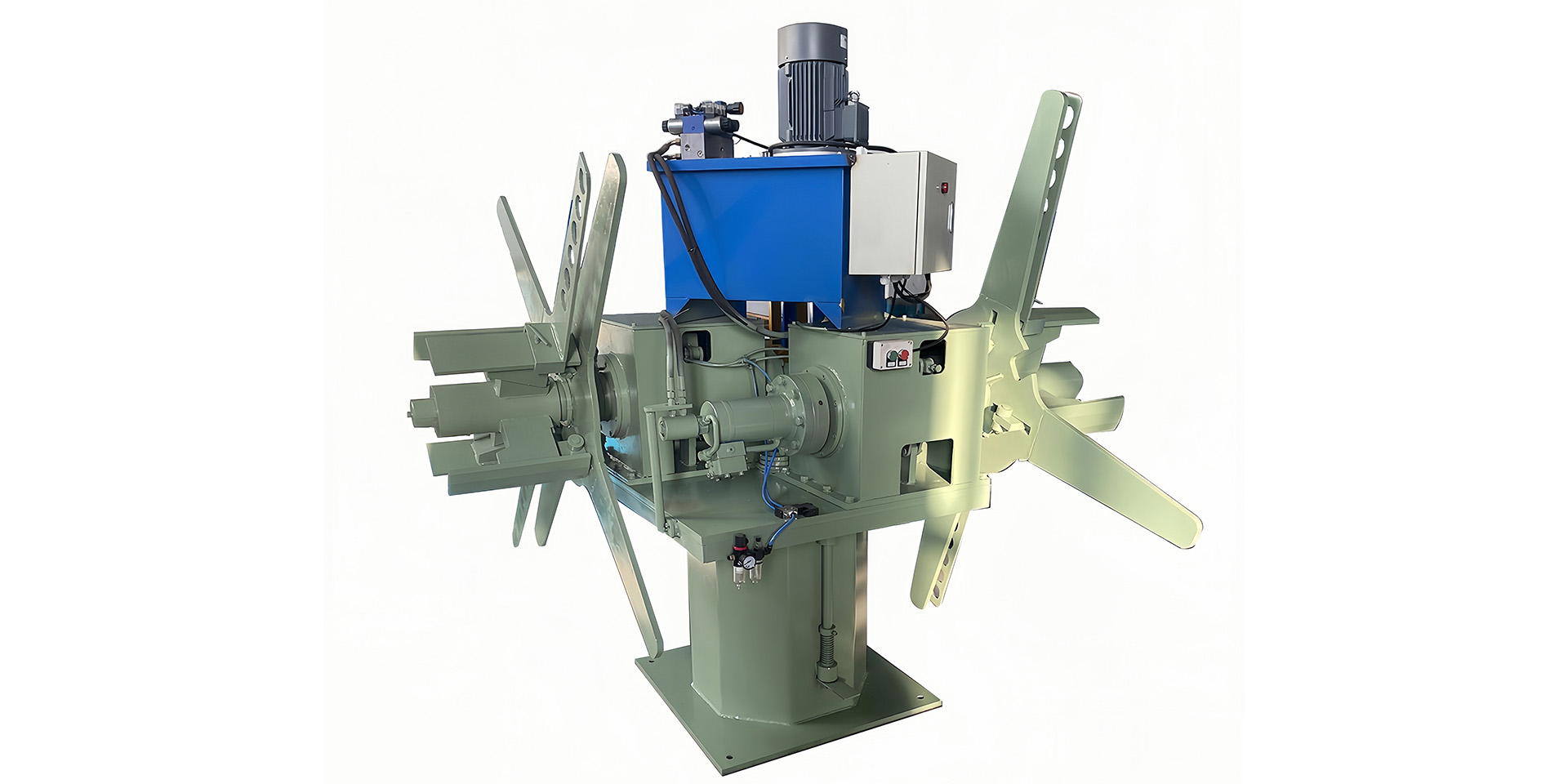
5. Match the Spare Parts Plan with Operator Training
Good training should explain not only how to run the machine, but also which spare parts are used in routine maintenance, what should be inspected daily, and which items should be reported early to avoid a bigger failure later.
6. Keep Part Names and Specifications Clear
For B2B buyers, a useful spare parts list should include clear names, quantity suggestions, and where the part is used. This helps your purchasing team reorder correctly in the future.
7. Prepare a Simple Reorder Method
Before start-up, ask the supplier how to reorder spare parts later. It is better if the supplier can respond based on machine model, line configuration, and original parts record instead of asking you to describe every item again from zero.
Recommended Spare Parts Discussion Before Ordering
- Which parts are critical for start-up
- Which parts are routine consumables
- Which parts differ by optional configuration
- Which parts should be shipped with the machine
- Which parts need local backup stock
- How reordering will work after commissioning
Related Reading
- Tube Mill Installation Checklist: Power, Workshop Space and Utility Requirements Before Delivery
- Tube Mill Installation and Operator Training: What Overseas Buyers Should Prepare
- Tube Mill Maintenance Guide: How to Keep an ERW Tube Mill Running More Stable
- View Tube Mill Machines and Auxiliary Equipment
FAQ
Should spare parts be discussed before the machine is delivered?
Yes. It is much better to prepare a basic start-up spare parts plan before delivery, especially for overseas projects where resupply may take time.
Do all tube mill projects need the same spare parts list?
No. The list depends on machine model, tube specification, cutting system, welder scope, and optional equipment.
Which spare parts should buyers focus on first?
Start with parts that can stop the line, then review routine consumables and maintenance items.
Can spare parts planning improve after-sales efficiency?
Yes. A clear spare parts plan helps both the buyer and supplier respond faster when maintenance support is needed.
CTA
If you are planning a new tube mill project, send your tube specification, machine scope, optional equipment, and country. XFX can help you review what spare parts should be considered before start-up.
Recent Posts

October 26, 2016
The Most Successful Engineering ContractorJun 09, 2026
How to Reduce Scrap Rate in ERW Tube Mill ProductionRequest a Tube Mill Quote
Tube Mill Inquiry Information
Line Quantity
Unit
Set
Please send your tube shape, exact tube size, wall thickness, raw material, country, purchase time, WhatsApp or email, and company name. XFX will help check the suitable tube mill model and configuration for your production plan.