-
tel: +86-133 3812 3788
-
email: erwpipemill@gmail.com

EN
Tube Mill Maintenance Guide: How to Keep an ERW Tube Mill Running More Stable
May 06, 2026
Good tube mill maintenance helps improve production stability, reduce unexpected downtime, and extend the working life of important machine parts. For overseas buyers, maintenance is also an important part of long-term after-sales success.
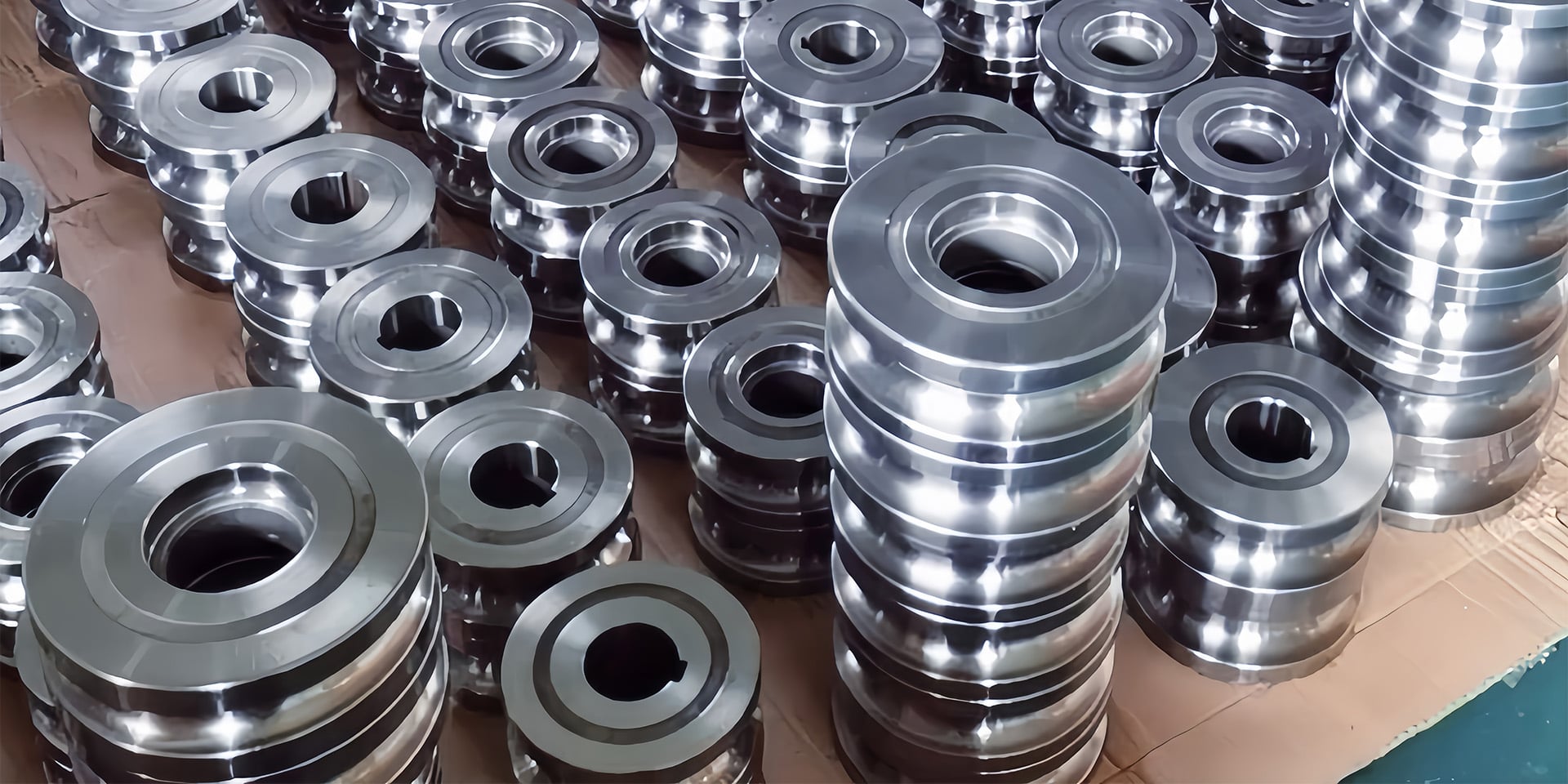
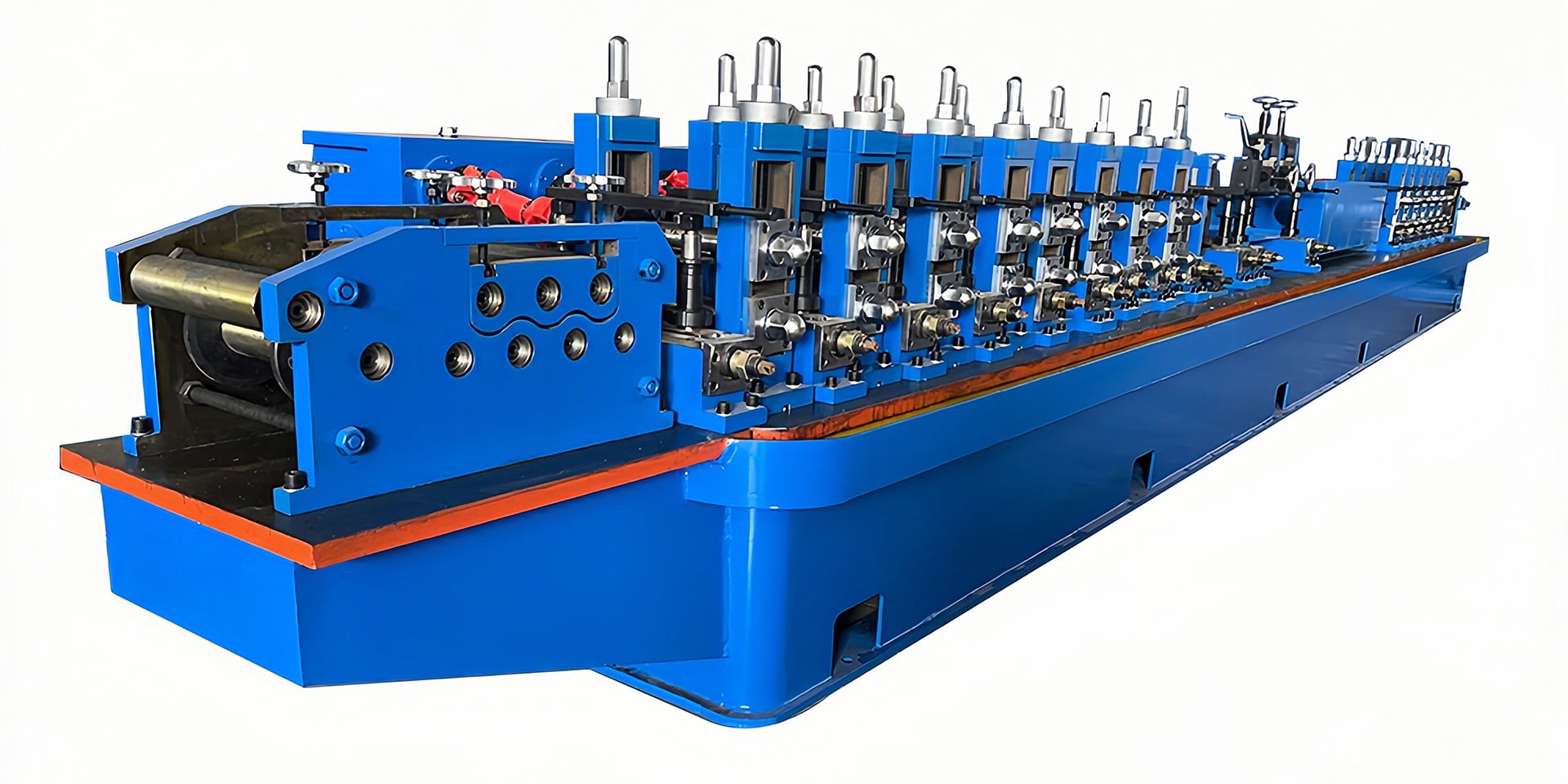
An ERW tube mill works continuously with steel strip, roll tooling, high frequency welding, sizing stands, cutting saws, bearings, shafts, and electrical systems. If maintenance is ignored, small problems can become expensive downtime.
Why Tube Mill Maintenance Matters
A tube mill is not only a forming machine. It is a complete production line with mechanical, electrical, hydraulic, pneumatic, welding, and cutting systems. Stable tube production depends on correct adjustment and regular checking.
Maintenance can help reduce problems such as unstable forming, poor weld quality, tube size deviation, excessive burrs, cutting issues, bearing damage, roll wear, and unexpected stop time.
Main Areas to Check
The maintenance plan should be adjusted according to machine model, production load, material, operator experience, and supplier instructions. The following areas are commonly important for ERW tube mill operation:
- Uncoiler and coil feeding system
- Shearing and butt welding machine
- Accumulator and strip storage system
- Forming section and roll stands
- High frequency welding section
- Sizing section and straightening condition
- Cutting saw and saw blades
- Run-out table and discharge system
- Bearings, shafts, gears, and transmission parts
- Electrical cabinet, sensors, cables, and control system
Daily Operator Checks
Daily checks should be simple enough for operators to follow, but detailed enough to find early warning signs. The exact checklist should follow your machine manual and supplier guidance.
- Check abnormal noise, vibration, or temperature
- Check lubrication points and oil condition
- Check roll stands and tooling position
- Check strip feeding and accumulator movement
- Check weld seam stability and tube surface condition
- Check cutting saw operation and tube end quality
- Clean steel chips, dust, and welding-related residue where needed
- Record abnormal problems for maintenance follow-up
Roll Tooling and Stand Maintenance
Roll tooling affects tube forming quality directly. Worn, damaged, or incorrectly adjusted rolls may cause tube surface marks, unstable forming, size deviation, and poor weld seam position.
Operators should check roll condition, bearing condition, stand alignment, and tooling installation. If the line produces different tube sizes, tooling change and adjustment should be done carefully to avoid repeated startup problems.
HF Welding Section Maintenance
The HF welding section is critical for welded tube quality. Maintenance should pay attention to the HF welder, induction coil, ferrite/impeder condition, cooling water, squeeze roll area, and weld seam condition.
If weld quality becomes unstable, do not only increase power. The problem may be related to material, edge forming, coil position, impeder condition, squeeze pressure, cooling, or operator adjustment.
Cutting Saw and Blade Maintenance
The cutting section affects finished tube length and tube end quality. Hot friction saw and cold saw systems have different maintenance requirements. Buyers should check blade condition, clamping, cutting movement, lubrication or cooling condition if applicable, and cutting accuracy.
If burrs increase or cutting becomes unstable, check the blade, saw setup, tube speed matching, and mechanical movement before assuming the whole tube mill has a problem.
Spare Parts Planning
Overseas buyers should prepare important spare parts in advance because international delivery may take time. The spare parts plan depends on the tube mill model and production intensity.
Common spare parts and consumables may include bearings, bearing sleeves, saw blades, induction coils, ferrite magnetic bars, shafts, gears, burr scraping knives, and other wear parts. Buyers should keep drawings, part photos, and machine information for faster ordering.
Common Maintenance Mistakes
- Waiting until the machine stops before checking wear parts
- Changing roll tooling without proper alignment
- Ignoring lubrication or using unsuitable oil
- Running with damaged bearings or abnormal noise
- Blaming the HF welder before checking forming and impeder setup
- Using saw blades that do not match the cutting system
- Not training operators after machine installation
How XFX Supports Long-Term Operation
XFX supports overseas buyers with tube mill model selection, installation guidance, operator training, remote technical support, spare parts support, and long-term after-sales service. For maintenance issues, photos and videos are very helpful for remote checking.
When asking for support, please send the machine model, problem description, tube size, wall thickness, material, photos or videos, and current machine settings if available.
FAQ
How often should a tube mill be maintained?
The maintenance frequency depends on machine model, working hours, material, production load, and supplier instructions. Buyers should follow the machine manual and build a regular checking habit.
What are the most common tube mill wear parts?
Common wear parts may include bearings, saw blades, induction coils, ferrite magnetic bars, shafts, gears, burr scraping knives, and roll tooling-related parts. The exact list depends on the machine configuration.
Can poor maintenance affect weld quality?
Yes. Poor roll adjustment, worn tooling, bad impeder condition, unstable cooling, or incorrect setup can affect weld quality and production stability.
Can XFX help with remote troubleshooting?
Yes. XFX can provide remote technical support. Clear photos, videos, tube specifications, and machine information help the technical team understand the problem faster.
Ask XFX for Tube Mill Maintenance and Spare Parts Support
XFX Tube Mill Machinery Co., Ltd. manufactures ERW tube mills, high frequency welded tube mills, HF welders, cutting saws, zinc spraying machines, roll tooling, and tube mill spare parts.
Send your machine model, tube specifications, problem photos or videos, country, and WhatsApp or email. XFX will help check the maintenance issue and spare parts requirement.
View ERW tube mill machines, check tube mill spare parts, read our installation and training guide, or contact XFX for technical support.
Recent Posts

October 26, 2016
The Most Successful Engineering ContractorJun 09, 2026
How to Reduce Scrap Rate in ERW Tube Mill ProductionRequest a Tube Mill Quote
Tube Mill Inquiry Information
Line Quantity
Unit
Set
Please send your tube shape, exact tube size, wall thickness, raw material, country, purchase time, WhatsApp or email, and company name. XFX will help check the suitable tube mill model and configuration for your production plan.