-
tel: +86-133 3812 3788
-
email: erwpipemill@gmail.com

EN
Tube Mill Installation Checklist: Power, Workshop Space and Utility Requirements Before Delivery
May 17, 2026
Before a tube mill arrives at your factory, good installation preparation can save a lot of time, cost, and confusion. Many delays happen not because the machine is wrong, but because the workshop, power supply, coil handling area, cooling system, or operator preparation is not ready.
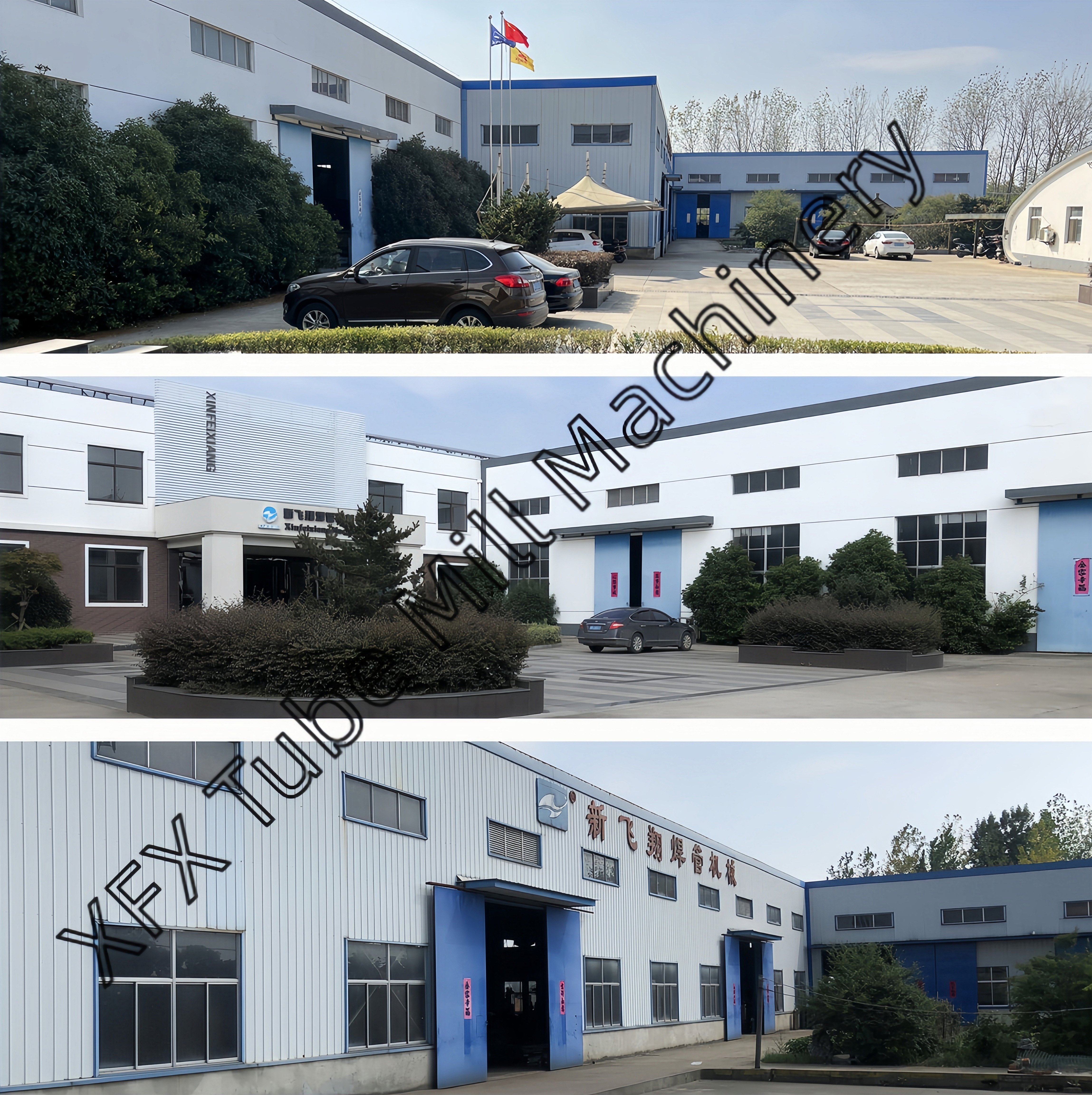
This checklist explains what overseas buyers should confirm before delivery. It is especially useful if you are buying your first ERW tube mill, expanding an existing steel tube plant, or preparing an overseas installation project.
Why Installation Preparation Matters
A tube mill is a full production line, not a single machine cabinet. Delivery, unloading, positioning, wiring, water circulation, trial running, tooling adjustment, and operator training all depend on site conditions. If the preparation is incomplete, commissioning usually takes longer and production start-up becomes less stable.
It is better to confirm the site conditions before shipping, not after the machines arrive.
1. Confirm the Exact Machine Scope First
Before you prepare the workshop, make sure the final machine scope is clear. The layout of the line will change if you add or remove equipment such as:
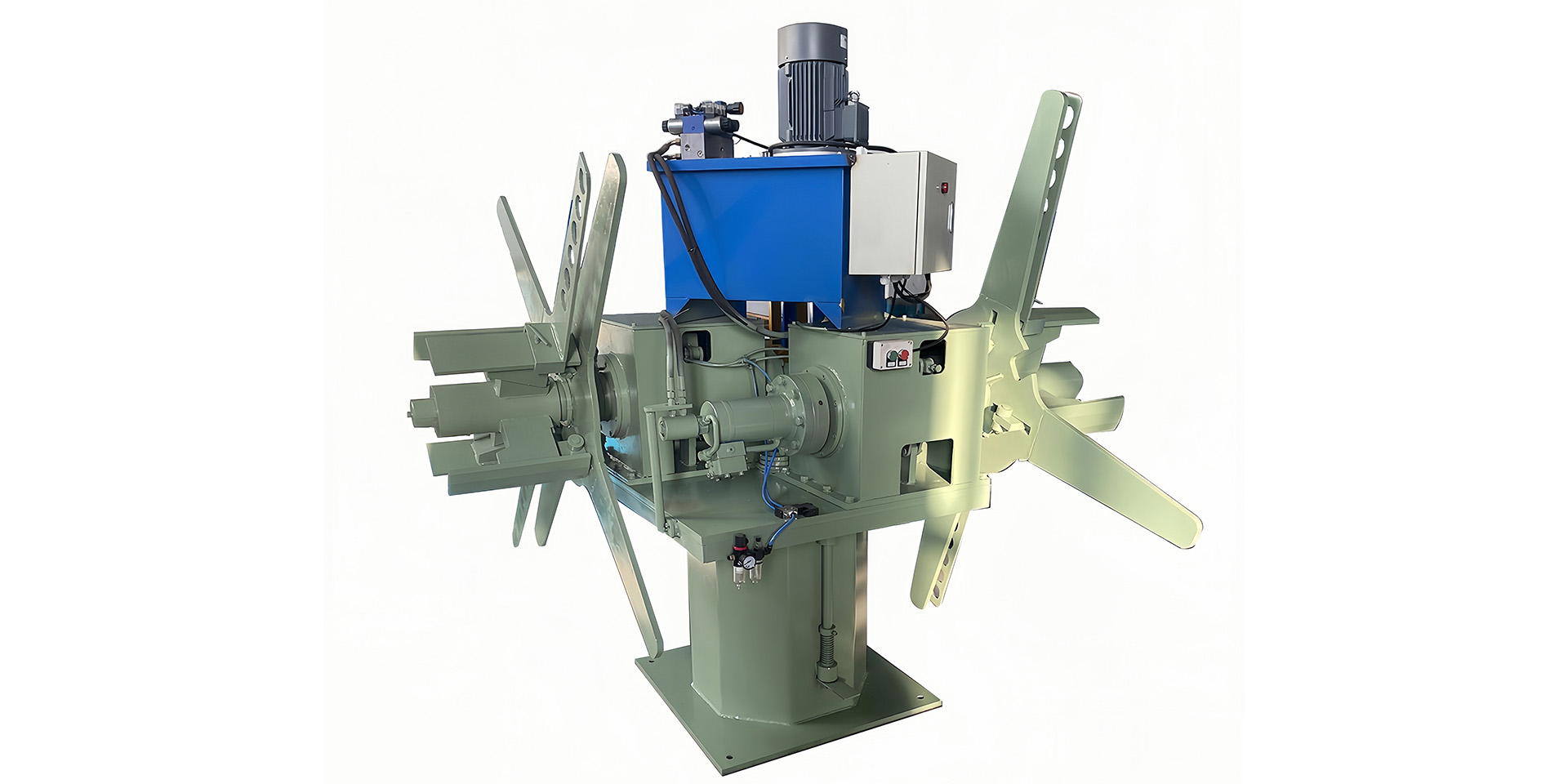
- Hydraulic uncoiler
- Shearing and butt welding machine
- Horizontal or vertical accumulator
- Solid-state HF welder
- Cold saw or hot friction saw
- Automatic packing equipment
- Zinc spraying machine
If the final scope is not confirmed, your workshop preparation may be too small, too short, or missing utility points.
2. Check Workshop Length, Width, and Material Flow
Your workshop should not only fit the machine footprint. It should also allow smooth coil loading, strip travel, pipe discharge, maintenance access, and worker movement. A crowded layout may affect safety and later maintenance.
Please check these points:
- Is there enough straight-line space for the full tube mill layout?
- Is there enough width for operation and maintenance access on both sides?
- Is there separate space for raw material coils and finished tube storage?
- Can forklift, crane, or coil car move safely in the workshop?
3. Confirm Power Supply and Electrical Capacity
Tube mill projects usually require stable electrical supply for the complete line, especially for the HF welder, motors, cutting section, hydraulic stations, and cooling system. Please do not estimate power only from one machine nameplate.
Instead, ask your supplier to confirm:
- Total installed power for the full line
- Main power requirements for the HF welder
- Voltage and frequency standard
- Power cabinet location and cable routing
- Grounding and safety requirements
Your local electrician should review the final supplier list before delivery.
4. Prepare Cooling Water, Compressed Air, and Utilities
Most ERW tube mill lines require utility support beyond electricity. Cooling water is especially important for the HF welder and some line sections. Some projects also need compressed air for valves, cutting support, or auxiliary functions.
Please check in advance:
- Cooling water circulation capacity
- Water tank or cooling tower arrangement
- Compressed air line and pressure
- Drainage and workshop housekeeping

5. Plan Unloading, Lifting, and Internal Movement
Tube mill equipment is heavy and delivered in sections. Before containers arrive, you should confirm how each part will be unloaded and moved into position.
- Is there enough unloading area outside the workshop?
- Do you have an overhead crane, mobile crane, or forklift with enough capacity?
- Can large sections pass through workshop doors safely?
- Is the floor route clear for moving equipment to final location?
This is especially important for uncoilers, accumulators, sizing sections, and cutting units.
6. Prepare Foundation and Leveling Conditions
Different projects may have different foundation requirements. Some buyers need only a well-prepared flat floor. Others may need anchor bolt preparation, trench planning, coolant routing, or reinforced areas for heavy equipment.
The safe approach is to ask the supplier for final layout drawings and foundation suggestions before civil work is completed.
7. Plan Operator Team and Installation Coordination
Even if the supplier provides on-site installation and training, your side should still prepare local support. This usually includes:
- Operators who will learn adjustment and production operation
- Electrician support during wiring and testing
- Mechanical workers for lifting and assembly assistance
- Interpreter or bilingual project contact if needed
Good coordination during installation can reduce start-up time and help your team learn faster.
8. Prepare Tube Specifications for Trial Running
Before commissioning starts, prepare the real tube specifications you want to test first. Do not only provide a wide production range. The supplier should know the actual starting specification, for example:
- Round tube: Φ25 mm × 1.2 mm
- Square tube: 40 × 40 mm × 1.5 mm
- Rectangular tube: 40 × 60 mm × 2.0 mm
This helps with roll tooling arrangement, welding setup, cutting adjustment, and trial production planning.
9. Keep a Pre-Delivery Checklist
Before shipment, ask your team to check the following items one more time:
- Final line layout confirmed
- Workshop size checked
- Power supply capacity confirmed
- Cooling and utility conditions prepared
- Crane or forklift arranged
- Local support team assigned
- Target tube specifications prepared for commissioning
These simple checks reduce avoidable delays after the machines arrive.
Buyer Tip: If you send your planned tube size, wall thickness, raw material, workshop size, and local power condition together, the supplier can help you review the installation preparation much more accurately.
Related Reading
- Tube Mill Installation and Operator Training: What Overseas Buyers Should Prepare
- Complete ERW Tube Mill Line Configuration: What Equipment Is Usually Included?
- What Information Do You Need to Get an Accurate Tube Mill Quote?
- View Tube Mill Machines and Auxiliary Equipment
FAQ
Do I need to finish civil work before the tube mill is shipped?
It is better to confirm final layout drawings and foundation suggestions before civil work is completed. Otherwise, you may need to change the site later.
How can I know the correct power requirement for my tube mill?
You should ask the supplier for the total installed power and the main utility requirement of the complete line, especially the HF welder and cutting section.
Is workshop size only about machine length?
No. You also need space for coil storage, finished tube discharge, maintenance access, operator movement, and lifting equipment.
What information should I send before installation planning?
Please send your target tube shape, exact size, wall thickness, raw material, workshop space, local power condition, and preferred delivery schedule.
CTA
If you are preparing a new tube mill project, send your tube specifications, workshop conditions, and purchase timeline. XFX can help you review machine scope, installation preparation, and a suitable tube mill solution before delivery.
Recent Posts

October 26, 2016
The Most Successful Engineering ContractorJun 09, 2026
How to Reduce Scrap Rate in ERW Tube Mill ProductionRequest a Tube Mill Quote
Tube Mill Inquiry Information
Line Quantity
Unit
Set
Please send your tube shape, exact tube size, wall thickness, raw material, country, purchase time, WhatsApp or email, and company name. XFX will help check the suitable tube mill model and configuration for your production plan.