-
tel: +86-133 3812 3788
-
email: erwpipemill@gmail.com

EN
Tube Mill Installation and Operator Training: What Overseas Buyers Should Prepare
May 06, 2026
Buying an ERW tube mill is not only about machine price. For overseas buyers, installation, commissioning, operator training, and after-sales support are also important parts of a successful project.
A good installation plan helps reduce startup delays, avoid wrong machine adjustment, and help your team learn how to operate the tube mill safely and correctly. Before the machine arrives, the buyer and supplier should prepare the workshop, foundation, power supply, raw material, tools, operators, and communication plan.
Why Installation Preparation Matters
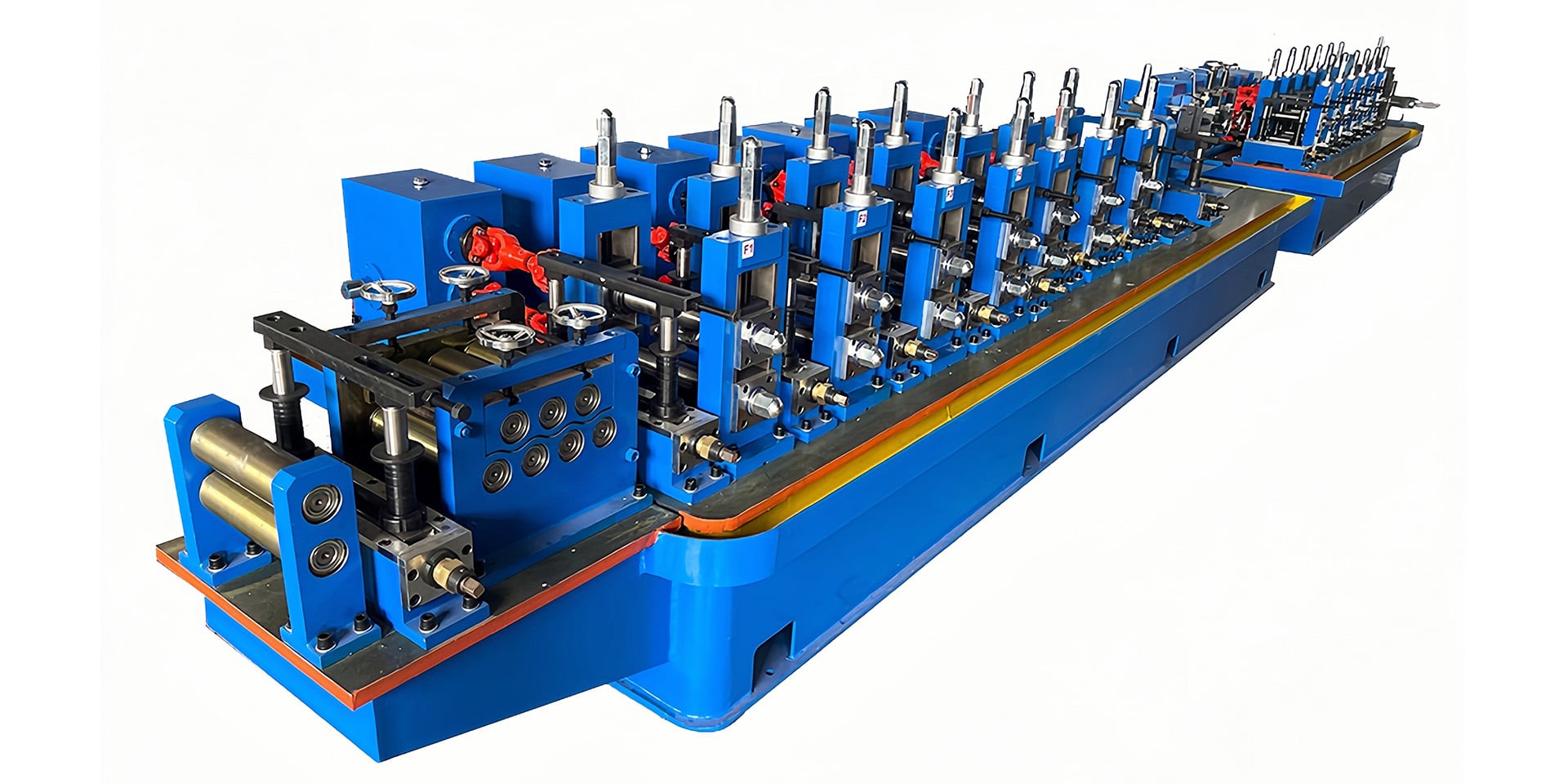
An ERW tube mill is a complete production line, not a single small machine. It includes uncoiler, shearing and butt welding, accumulator, forming section, high frequency welding, sizing section, cutting section, run-out table, and sometimes packing or zinc spraying equipment.
If the workshop is not ready, installation may be delayed. If operators are not trained, production may be unstable after commissioning. Good preparation helps the buyer start production faster and reduce avoidable problems.
What Should Be Ready Before the Machine Arrives?
Before tube mill delivery or installation, buyers should check the basic site conditions. The exact requirements depend on the machine model and configuration, but the following items are commonly needed:
- Workshop space and layout according to the tube mill line arrangement
- Foundation or floor condition suitable for machine installation
- Power supply, voltage, cable, and electrical cabinet preparation
- Crane, forklift, or lifting tools for unloading and positioning
- Compressed air if required by pneumatic components
- Cooling water system if required by HF welding and other sections
- Steel coil or strip for trial production
- Tube specifications for commissioning
- Operators, electricians, and maintenance staff for training
Information XFX Needs Before Installation
To support installation and commissioning, XFX needs project information from the buyer. Clear information helps the technical team prepare drawings, installation guidance, and training focus.
- Final tube mill model and configuration
- Workshop layout and available space
- Local voltage and power condition
- Main tube sizes and wall thickness for trial production
- Raw material information and coil/strip condition
- Required tube shape: round, square, rectangular, or mixed production
- Cutting method: cold saw or hot friction saw
- Operator experience level
Typical Tube Mill Installation Process
The detailed installation process depends on the line configuration, but a typical ERW tube mill installation includes the following steps:
| Step | Main Work | Buyer Should Prepare |
|---|---|---|
| Unloading | Unload machine sections and check parts | Crane, forklift, storage space |
| Positioning | Place each machine section according to layout | Foundation, layout drawing, installation team |
| Alignment | Align forming, welding, sizing, and cutting sections | Tools, technician support, stable floor |
| Electrical connection | Connect power, control systems, and cables | Qualified electrician and local power supply |
| Trial running | Run the line without material and then with material | Raw material and operators |
| Commissioning | Adjust forming, welding, sizing, and cutting | Target tube sizes and production requirement |
| Training | Train operators and maintenance staff | Stable team members ready to learn |
What Operator Training Should Cover
Operator training should not only explain how to start and stop the machine. It should also help the buyer's team understand daily operation, adjustment, safety, maintenance, and common problem checking.
- Basic tube mill process and safety rules
- Steel strip feeding and coil change operation
- Roll tooling installation and adjustment basics
- Forming section and sizing section adjustment
- High frequency welding setup and basic checking
- Cutting saw operation and blade attention points
- Daily lubrication and maintenance
- Common problems such as unstable weld, size deviation, burrs, and cutting issues
On-Site Support and Remote Technical Support
Some projects may need on-site installation and training. Some buyers may also use remote guidance for preparation, troubleshooting, or follow-up support. The best support method depends on machine size, buyer experience, project schedule, and local conditions.
XFX can support buyers with installation guidance, operator training, remote technical communication, spare parts support, and long-term after-sales service. Before ordering, buyers should discuss the service plan clearly with the supplier.
Common Problems During Startup
During the first production period, problems may happen if operators are new or raw material condition is not stable. Common startup issues include strip feeding problems, roll adjustment mistakes, weld instability, tube size deviation, cutting burrs, and low production efficiency.
These problems do not always mean the machine is bad. Many issues are related to adjustment, material, tooling, welding setup, and operator experience. Good training and support help the buyer solve them faster.
How Buyers Can Reduce Startup Risk
Before installation, buyers should prepare real production material, confirm tube specifications, arrange stable operators, and keep good communication with the supplier. Do not wait until the machine arrives to start checking power, workshop space, or raw material.
If possible, send photos or videos of the workshop before shipment. This helps the supplier check layout and preparation details in advance.
FAQ
Does XFX provide tube mill installation and training?
Yes. XFX can support installation guidance, operator training, remote technical support, spare parts support, and long-term after-sales service according to the project situation.
Can overseas buyers install the tube mill by themselves?
Some experienced buyers may install with remote guidance, but new tube mill factories usually need stronger technical support. The best plan depends on machine model, team experience, and local site preparation.
What should I prepare before installation?
Please prepare workshop space, foundation, power supply, lifting tools, raw material, trial production specifications, operators, electrician support, and communication with the supplier.
Why is operator training important?
Tube mill performance depends on correct operation, roll adjustment, welding setup, cutting setup, and maintenance. Training helps reduce startup problems and improve production stability.
Ask XFX to Review Your Installation Plan
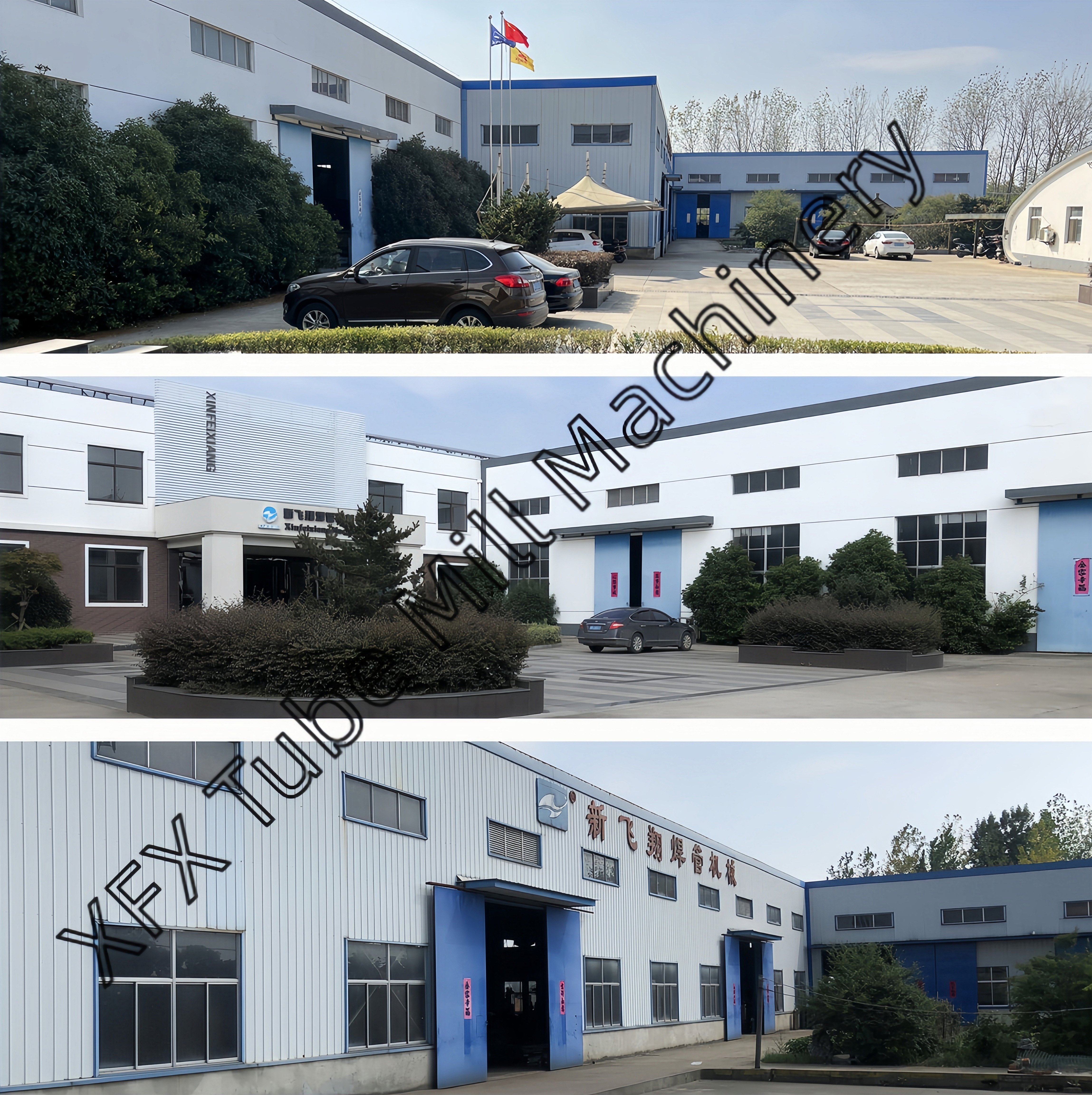
XFX Tube Mill Machinery Co., Ltd. manufactures ERW tube mills, high frequency welded tube mills, steel tube mill machines, HF welders, cutting saws, zinc spraying machines, tooling, and spare parts.
Send your tube specifications, machine requirement, workshop layout, country, purchase time, and WhatsApp or email. XFX will help check the tube mill model, configuration, installation preparation, and service plan for your project.
View ERW tube mill machines, read our tube mill model selection guide, check tube mill auxiliary equipment, or contact XFX for installation support.
Recent Posts

October 26, 2016
The Most Successful Engineering ContractorJun 09, 2026
How to Reduce Scrap Rate in ERW Tube Mill ProductionRequest a Tube Mill Quote
Tube Mill Inquiry Information
Line Quantity
Unit
Set
Please send your tube shape, exact tube size, wall thickness, raw material, country, purchase time, WhatsApp or email, and company name. XFX will help check the suitable tube mill model and configuration for your production plan.