-
tel: +86-133 3812 3788
-
email: erwpipemill@gmail.com

EN
How to Check Tube Mill Power Consumption and Utility Scope Before Ordering
May 17, 2026
Before you place an order for a tube mill, you should understand not only the machine model and price, but also the expected power consumption and utility scope of the complete line. This helps you prepare your workshop correctly and avoid delays during installation.
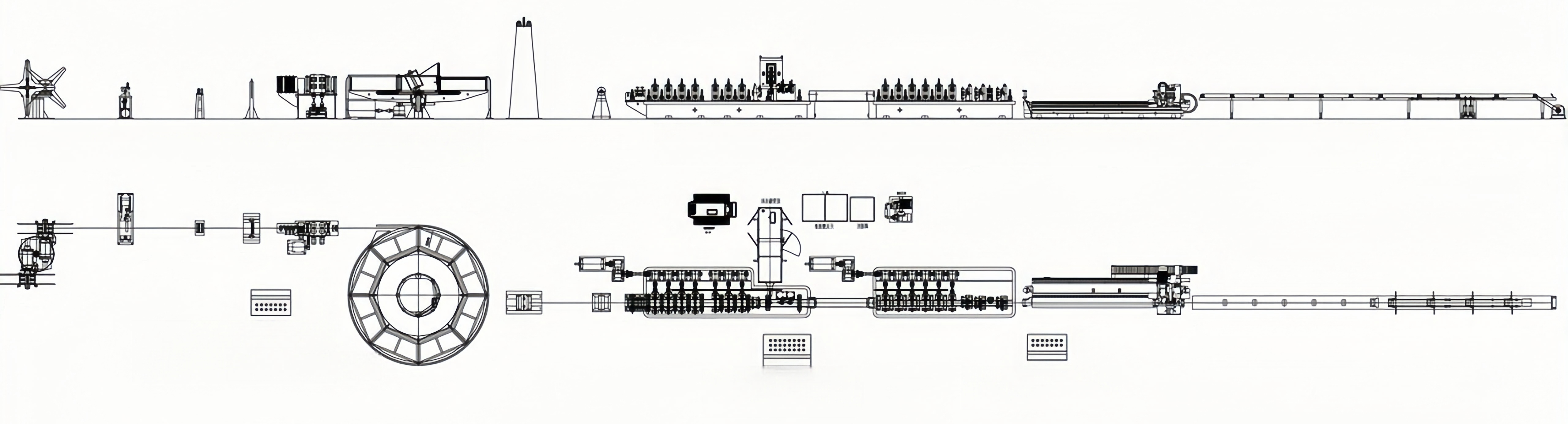
Many buyers ask, “How much power does the tube mill need?” The real answer depends on the full project scope, including the HF welder, motors, cutting equipment, hydraulic stations, cooling system, and auxiliary equipment.
Why Utility Scope Should Be Checked Early
If the utility requirement is not checked before ordering, the buyer may later find that the local power system is not ready, cable routing is difficult, cooling water capacity is insufficient, or workshop support conditions are incomplete. These issues can slow down installation and delay production start-up.
1. Do Not Check Power from One Nameplate Only
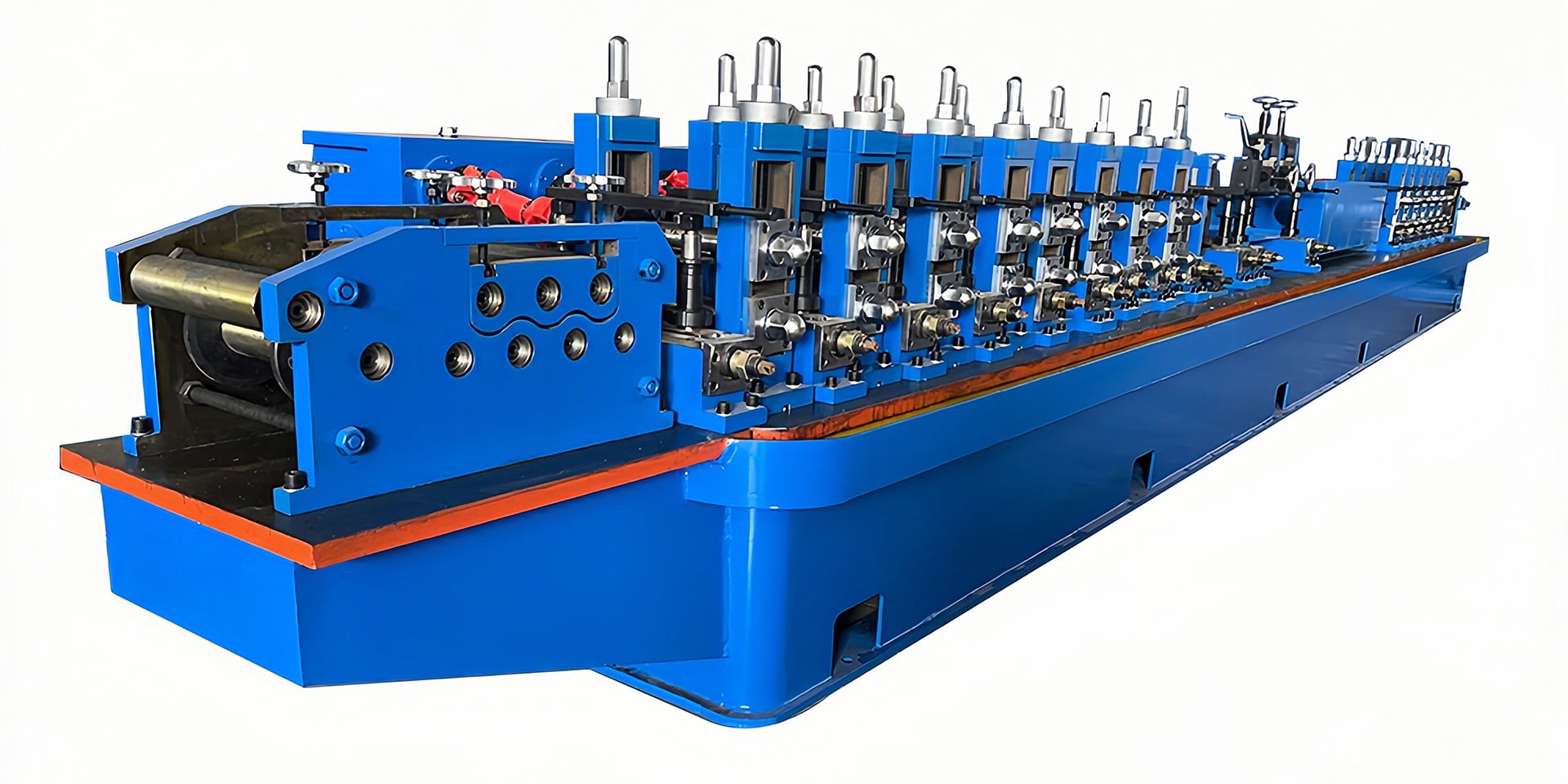
A tube mill line is a system. Buyers should not estimate power only from the forming machine section or from the HF welder alone. A more accurate review should include:
- Main driving motors
- HF welder power
- Cutting system
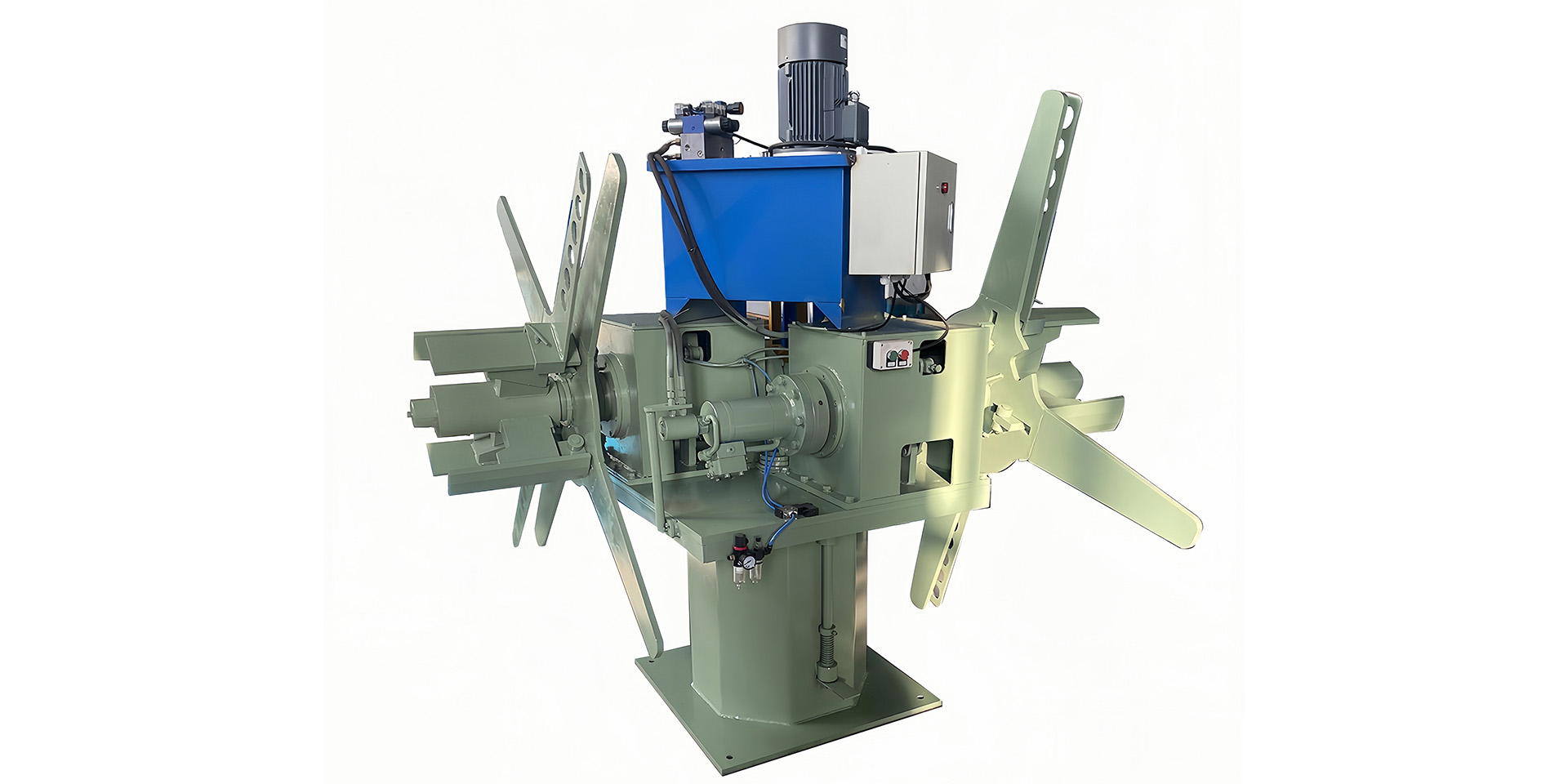
- Hydraulic stations
- Cooling water system
- Air compressor load if applicable
- Optional equipment such as automatic packing or zinc spraying
2. Ask for Total Installed Power and Recommended Running Power
The supplier should help you distinguish between total installed power and actual running demand. Installed power is useful for planning your workshop electrical system, while actual running power helps with operation and budgeting.
Please ask your supplier to confirm:
- Total installed power of the line
- Main load section of the line
- Voltage and frequency standard
- Power requirement of the HF welder
- Whether utility figures include optional equipment
3. Check Cooling Water Requirement Together with Electrical Scope
For many ERW tube mill projects, cooling water is just as important as electrical supply. The HF welder and some line components may need stable cooling circulation. If the workshop is only prepared for power and not for water flow, commissioning can still be delayed.
You should review:
- Cooling water circulation capacity
- Cooling tower or water tank arrangement
- Pipe routing and return water path
- Space for maintenance around utility equipment
4. Confirm If Compressed Air Is Needed
Some tube mill lines and auxiliary units use compressed air for valves, cutting support, pneumatic control, or general workshop support. This should be confirmed before ordering, especially if your plant does not already have a stable compressed air system.
5. Include Optional Equipment in Your Utility Review
If you add cold saw cutting, automatic packing, zinc spraying, or additional material handling equipment, utility demand may change. Buyers should not compare utility figures from different suppliers unless the scope is exactly the same.
6. Send Your Local Workshop Condition to the Supplier
To get a more useful answer, you should send not only tube size and wall thickness, but also your local workshop conditions, such as:
- Local voltage and frequency
- Available transformer capacity
- Cooling water condition
- Compressed air availability
- Workshop layout and cable routing limits
This helps the supplier give a more practical recommendation instead of a general estimate.
7. Utility Scope Also Affects Installation Planning
Utility preparation is part of installation planning. If the power cabinet, welder location, water tank, and line layout are not coordinated in advance, the machine may still arrive on time but commissioning will take longer.
That is why utility review should happen before production, not only before shipment.
Related Reading
- Tube Mill Installation Checklist: Power, Workshop Space and Utility Requirements Before Delivery
- Complete ERW Tube Mill Line Configuration: What Equipment Is Usually Included?
- What Information Do You Need to Get an Accurate Tube Mill Quote?
- View Tube Mill Machines and Auxiliary Equipment
FAQ
How can I know the power requirement of my tube mill project?
You should ask the supplier for the complete line utility list, including installed power, major power sections, HF welder requirement, and optional equipment scope.
Is the HF welder the only high-power section of the line?
No. The HF welder is important, but the full line also includes driving motors, cutting, hydraulic systems, and support utilities.
Should cooling water be confirmed before ordering?
Yes. Cooling water scope should be reviewed together with electrical planning, especially for the HF welder and complete commissioning arrangement.
Can utility scope change if I add optional equipment later?
Yes. Cold saw, automatic packing, zinc spraying, and other auxiliary equipment can change the final utility requirement of the project.
CTA
If you are checking a new tube mill project, send your target tube size, wall thickness, local voltage, cooling condition, and preferred configuration. XFX can help you review the likely utility scope before you place the order.
Recent Posts

October 26, 2016
The Most Successful Engineering ContractorJun 09, 2026
How to Reduce Scrap Rate in ERW Tube Mill ProductionRequest a Tube Mill Quote
Tube Mill Inquiry Information
Line Quantity
Unit
Set
Please send your tube shape, exact tube size, wall thickness, raw material, country, purchase time, WhatsApp or email, and company name. XFX will help check the suitable tube mill model and configuration for your production plan.