-
tel: +86-133 3812 3788
-
email: erwpipemill@gmail.com

EN
How to Reduce Delivery Delay Risk in a Tube Mill Project
May 18, 2026
Many tube mill buyers ask for a short delivery time, but fewer buyers ask what may actually cause delay later. In real projects, delivery delay risk does not come from one reason only. It can come from unclear tube specifications, changing scope, tooling uncertainty, workshop preparation gaps, or late confirmation of key technical points.
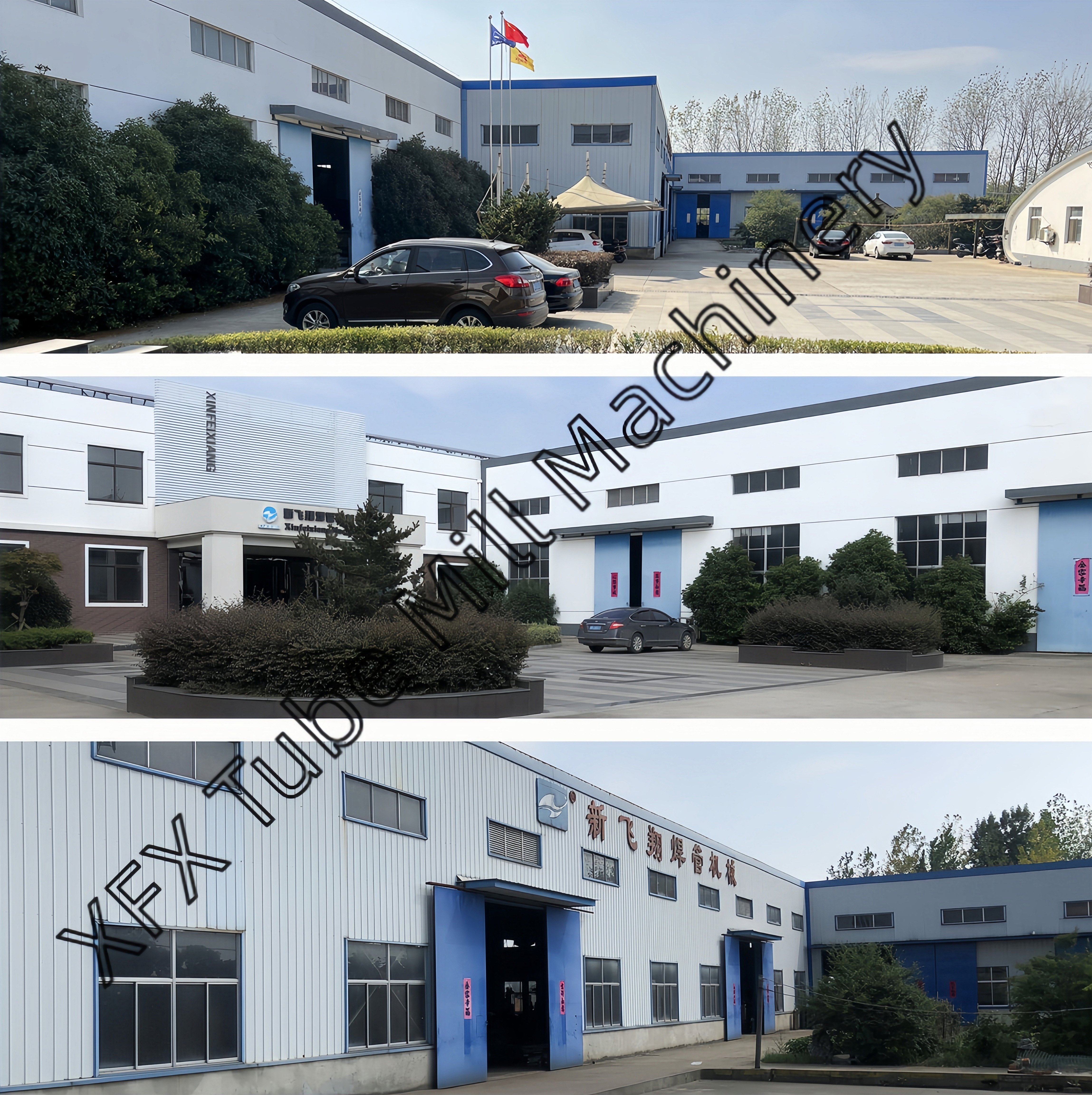
For overseas B2B buyers, reducing delay risk starts before production begins. A better project is usually not the one that only asks for the shortest delivery promise, but the one that confirms the scope and preparation logic clearly enough to avoid later disruption.
Why Delivery Delay Risk Should Be Reviewed Early
A tube mill project includes technical confirmation, tooling preparation, optional equipment coordination, testing, shipment planning, and later installation. If any of these stages are not aligned early, delay risk increases. Buyers can reduce this risk by reviewing project logic before the machine enters production.
1. Confirm the Exact Tube Specification Early
One common cause of delay is unclear or changing product scope. Buyers should confirm:
- Tube shape
- Exact tube size list
- Wall thickness
- Raw material
- Main production mix
Without this, model confirmation and tooling preparation may remain unstable.
2. Freeze the Main Scope Before Production Starts
If auxiliary equipment, tooling scope, or product mix keeps changing after the order is confirmed, the project can slow down. Buyers should try to freeze the main machine scope, optional equipment list, and key technical requirements before production planning moves too far ahead.
3. Clarify Tooling Scope Before Final Approval
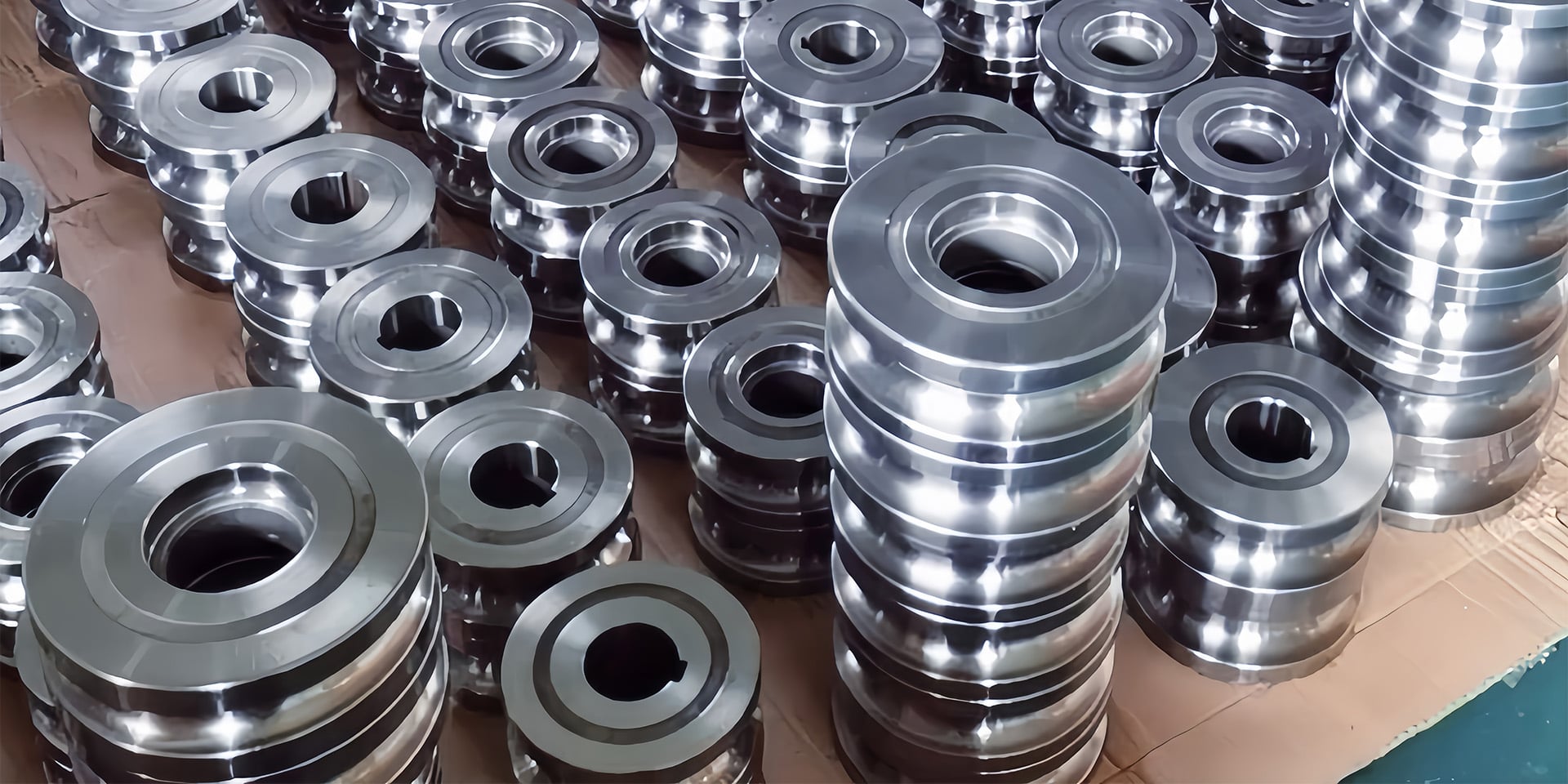
Tooling uncertainty can cause hidden delay risk. Buyers should confirm which sizes are included, whether square and rectangular tooling are included, and whether the tooling package matches the real product list.
4. Review Optional Equipment as Part of the Main Schedule
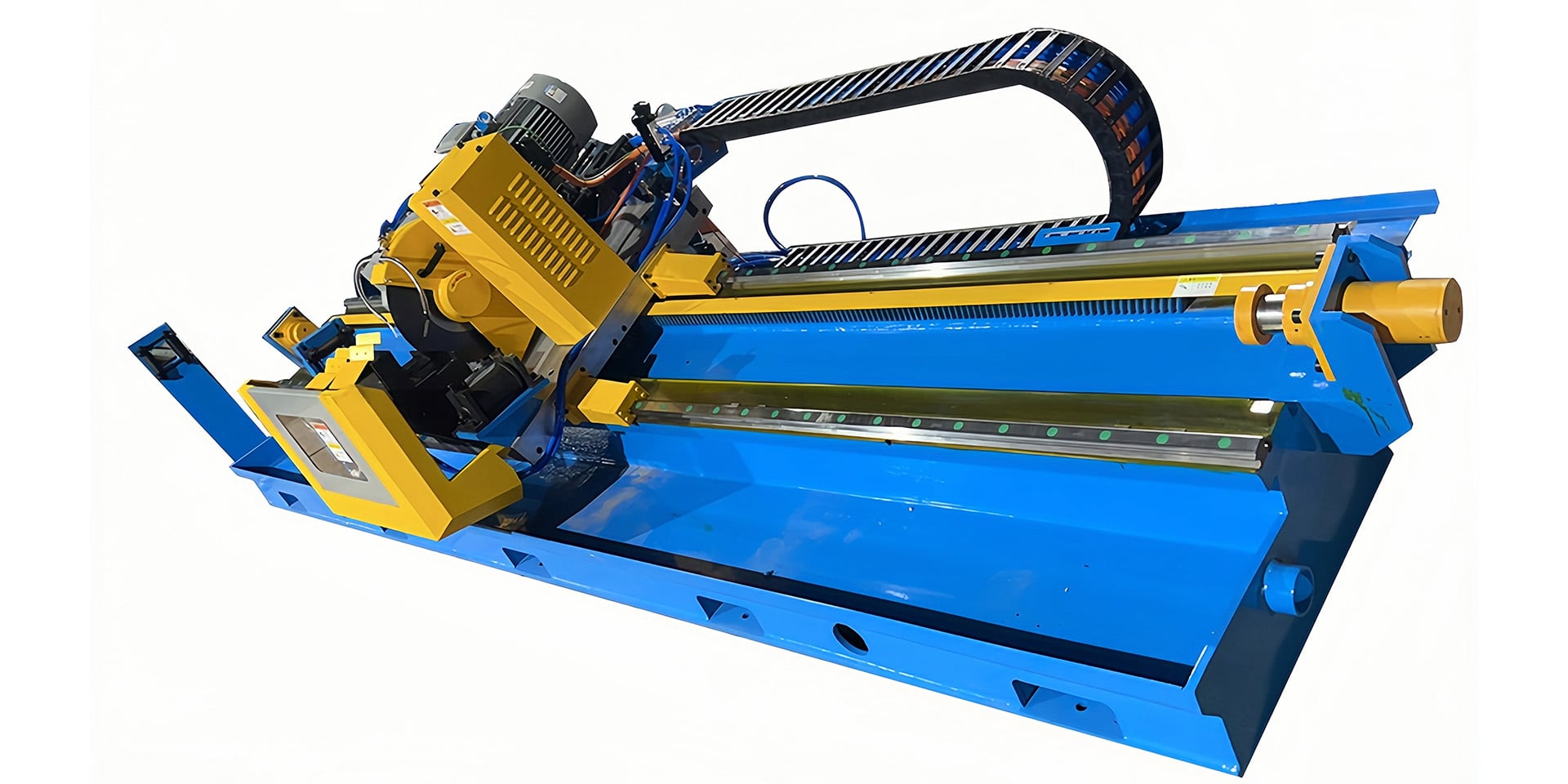
Projects that include cold saw, hydraulic uncoiler, accumulator, slitting line, zinc spraying, or automatic packing should review these sections as part of the overall project timeline. Delay risk increases when optional equipment is treated as a side topic instead of a formal part of the scope.
5. Ask What the Delivery Timeline Actually Includes
Buyers should check whether the promised schedule includes tooling, optional equipment, testing, packing, and shipment preparation. A shorter quoted timeline may not always reflect the full project scope.
6. Prepare Workshop and Utility Conditions Early
Some delay risk appears after shipment rather than before it. If the buyer waits too long to prepare workshop space, power, cooling water, or unloading access, the project may still lose time after the machine arrives. Good workshop preparation helps reduce total project delay, not just production delay.
7. Keep Communication Fast During the Confirmation Stage
When buyers take too long to confirm technical questions, drawing details, or optional scope decisions, the project can slow down even if the supplier is ready. Fast and clear communication helps reduce this type of avoidable delay.
8. Ask for a Project Confirmation Summary
A clear project summary before production can help both sides check whether the size list, tooling scope, optional equipment, utility logic, and service support are already aligned. This is one of the easiest ways to reduce misunderstanding-driven delay.
What Buyers Should Check to Reduce Delay Risk
- Exact tube specification
- Final machine scope
- Tooling scope
- Optional equipment scope
- Delivery logic
- Workshop readiness
- Utility condition
- Communication response speed
Related Reading
- What Affects Tube Mill Delivery Time and What Should Buyers Confirm Early?
- How to Prepare Your Workshop and Utilities Before Tube Mill Arrival
- What Buyers Should Confirm Before Payment Terms and Tube Mill PO Approval
- Contact XFX to Review Your Tube Mill Project Timeline
FAQ
What is the most common cause of delivery delay risk?
Unclear product scope and late technical confirmation are two of the most common causes.
Can optional equipment affect project delay risk?
Yes. Auxiliary equipment should be reviewed as part of the main project scope, not as a late add-on.
Does workshop preparation affect total project delay?
Yes. Even if manufacturing is on time, poor workshop preparation can still delay installation and first production.
How can buyers reduce avoidable delay risk?
By confirming exact tube specifications early, freezing the scope clearly, and keeping communication fast during project confirmation.
CTA
If you want to reduce delay risk in your tube mill project, send your exact tube size list, final scope, workshop condition, and project schedule. XFX can help you review the key points before production and shipment move forward.
Recent Posts

October 26, 2016
The Most Successful Engineering ContractorJun 09, 2026
How to Reduce Scrap Rate in ERW Tube Mill ProductionRequest a Tube Mill Quote
Tube Mill Inquiry Information
Line Quantity
Unit
Set
Please send your tube shape, exact tube size, wall thickness, raw material, country, purchase time, WhatsApp or email, and company name. XFX will help check the suitable tube mill model and configuration for your production plan.