-
tel: +86-133 3812 3788
-
email: erwpipemill@gmail.com

EN
How to Choose Roll Tooling for Round, Square and Rectangular Tube Production
May 16, 2026
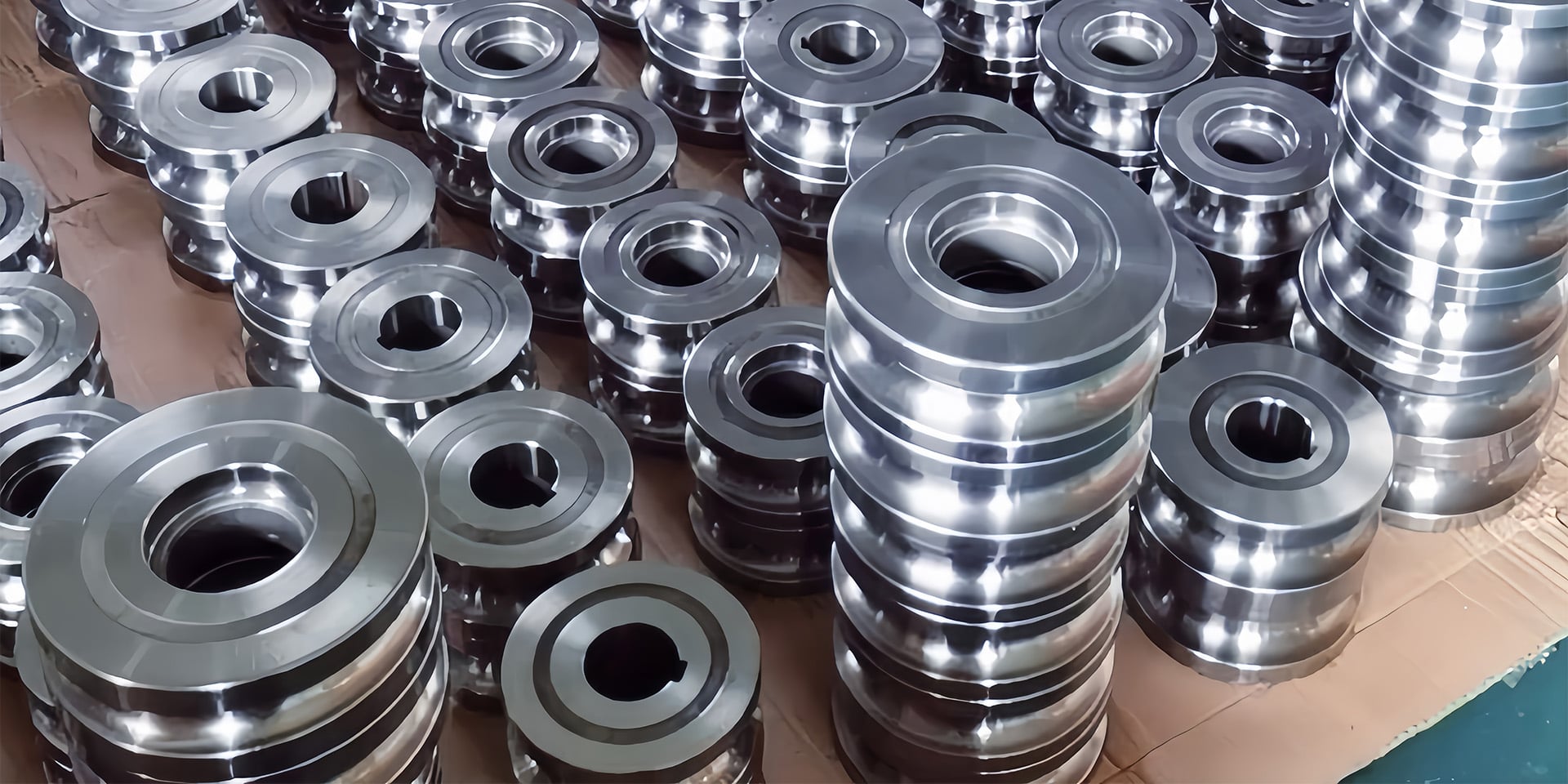
Roll tooling is one of the most important parts of an ERW tube mill line. Many buyers focus first on tube mill model, tube size range, HF welder power, or cutting system, but tooling has a direct effect on tube shape, dimension accuracy, surface quality, corner condition, size change efficiency, and long-term production stability.
If you plan to produce round tube, square tube, and rectangular tube, the tooling plan should be checked carefully before ordering. A suitable tube mill model still needs suitable roll tooling to produce the target tubes correctly.
What Is Roll Tooling in a Tube Mill Line?
Roll tooling includes the rolls, rollers, molds, and related forming and sizing tools used in the tube mill. These tools guide the strip through the forming section, welding area, and sizing section until the final tube shape is produced.
In practical production, tooling affects more than one result:
- Tube dimension stability
- Roundness or corner shape
- Surface marks and finish
- Weld seam position control
- Size change speed
- Daily maintenance and replacement cost
Why Buyers Should Care About Tooling Before Ordering
Two suppliers may offer a similar tube mill model, but the tooling scope can still be very different. If the quotation does not clearly explain what tooling is included, how many sizes are covered, and which sizes need additional rolls, the buyer may not be comparing the offers fairly.
This is especially important when the project includes several tube sizes or mixed production of round, square, and rectangular tubes.
Round Tube, Square Tube, and Rectangular Tube Need Different Checking
Round tube production is not checked in the same way as square or rectangular tube production. Even when one line can produce multiple tube shapes, the final tooling plan should match the actual products.
| Tube Shape | Buyer Should Confirm | Why It Matters |
|---|---|---|
| Round tube | Outside diameter and wall thickness | Used for forming and sizing design reference |
| Square tube | Side dimension, wall thickness, corner expectation | Affects sizing passes and corner quality |
| Rectangular tube | Width, height, wall thickness | Affects roll arrangement and final shape stability |
Buyers should not assume that a general round tube range automatically covers every square and rectangular tube inside a broad size range.
Start with Exact Tube Sizes and Matching Wall Thickness
Tooling selection should begin with the real production list, not only with a general size range. Good examples include:
- Round tube: Φ25 mm x 1.2 mm
- Round tube: Φ50 mm x 2.0 mm
- Square tube: 40 x 40 mm x 1.5 mm
- Rectangular tube: 40 x 60 mm x 2.0 mm
These exact sizes help the factory check how the roll tooling should be arranged, which sizes can share part of the tooling logic, and where additional tooling may be required.
Questions to Ask About Roll Tooling
Before placing an order, buyers should ask the supplier these practical questions:
- How many tube sizes are included in the standard tooling scope?
- Does the line cover round tube only, or also square and rectangular tube?
- Which sizes need additional tooling sets?
- How is tooling changed during size change?
- What wear parts should be prepared as spare parts?
- How should tooling be maintained for longer service life?
Tooling Affects Size Change Cost and Efficiency
If you plan to produce many sizes, tooling scope matters not only for production quality but also for operating convenience. A quotation should explain whether you are buying a machine only, or a machine plus the tooling support needed for your actual products.
For many B2B buyers, this is where machine cost comparison becomes misleading. A lower machine price may not include enough tooling for the real production plan.
Tooling Must Match the Tube Mill Model
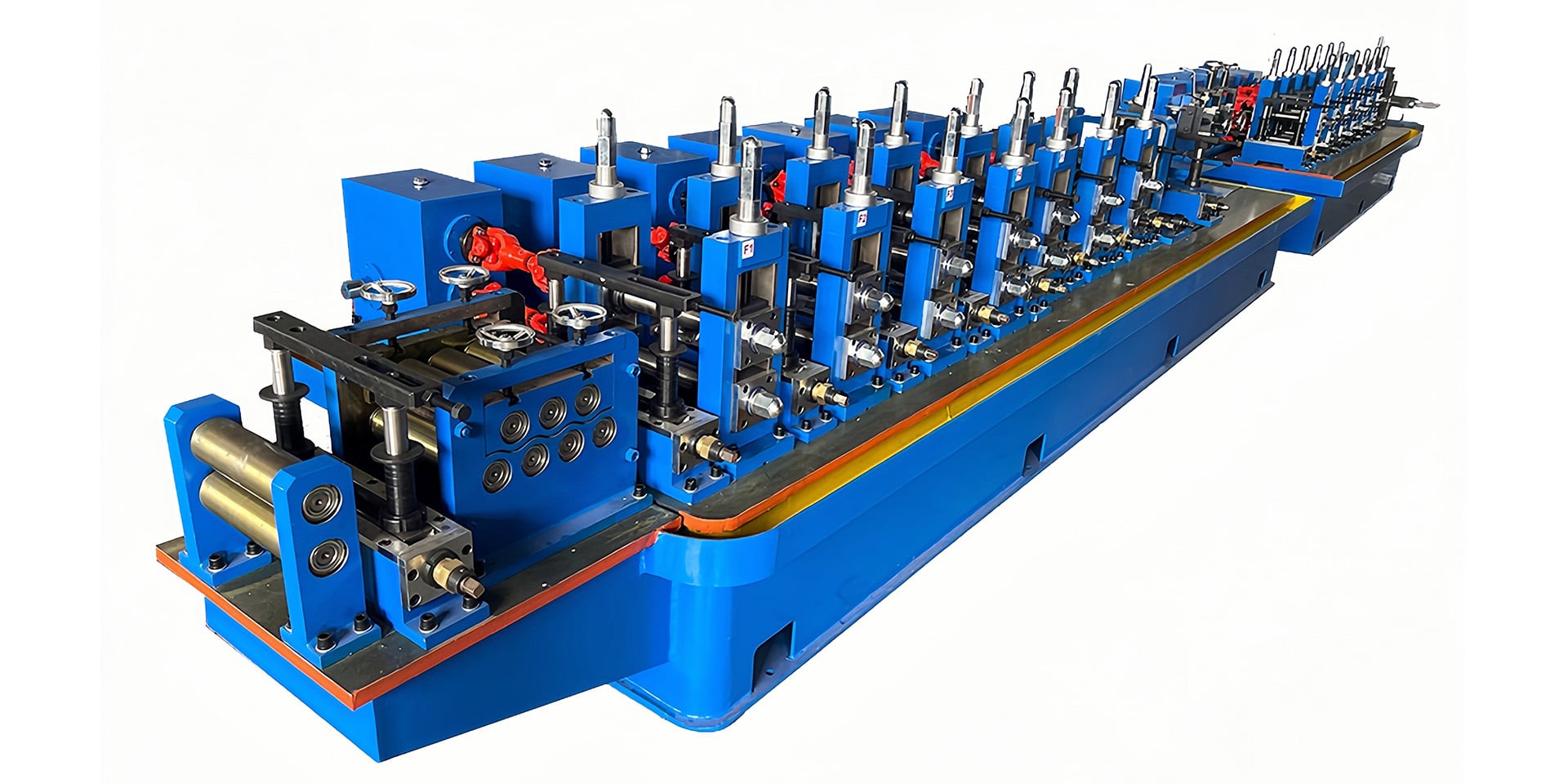
Tooling cannot be discussed separately from the machine model. The tooling plan should match the tube mill structure, forming arrangement, sizing section, and target production sizes.
XFX usually reviews the tooling plan together with machine groups such as small tube mills, medium tube making machines, and medium tube lines for larger size projects. Final checking still depends on the buyer's exact tube size and wall thickness list.
Tooling and HF Welding Should Be Considered Together
Good tooling helps keep strip forming stable before welding and supports better sizing after welding. If the project includes heavier wall thickness or wider mixed production, the tooling plan should be reviewed together with the HF welder, sizing section, and cutting system.
This is one reason why XFX asks buyers to send their exact production list instead of only a general range.

Common Buyer Mistakes About Roll Tooling
- Comparing machine prices without checking tooling scope
- Sending only a broad size range without exact tube sizes
- Ignoring square and rectangular tube requirements
- Not confirming how many tooling sets are included
- Not asking about spare parts, maintenance, and replacement support
How XFX Supports Tooling Planning
XFX Tube Mill Machinery Co., Ltd. manufactures ERW tube mills, high frequency welded tube mill machines, roll tooling, HF welders, cutting saws, slitting lines, and related equipment. We help buyers review tooling together with tube shape, exact size, wall thickness, machine model, and required configuration.
This helps reduce the risk of buying a machine that looks correct on paper but does not match the actual production plan well.
FAQ
Can one tooling set produce all tube sizes?
Normally no. Tooling requirements depend on tube shape, exact size, wall thickness, and the machine design. Buyers should confirm which sizes are covered in the quoted tooling scope.
Why does square and rectangular tube production need extra checking?
Because square and rectangular tube production affects sizing design, corner quality, tooling arrangement, and sometimes size change planning. It should not be judged only by round tube range.
Should tooling be included in the quotation?
Yes. The quotation should clearly explain whether tooling is included, how many sizes are covered, and what additional tooling may be required later.
What information should I send before asking about roll tooling?
Please send tube shape, exact tube size, matching wall thickness, main products, occasional products, raw material, country, purchase time, and your WhatsApp or email.
Send Your Tube List for Tooling Review
If you are planning round, square, or rectangular tube production, send XFX your target tube list:
- Tube shape
- Exact tube size
- Matching wall thickness
- Main sizes and occasional sizes
- Raw material
- Country
- Purchase time
- WhatsApp or email
- Company name
XFX will help review the suitable tube mill model and tooling direction for your production plan.
Recent Posts

October 26, 2016
The Most Successful Engineering ContractorJun 09, 2026
How to Reduce Scrap Rate in ERW Tube Mill ProductionRequest a Tube Mill Quote
Tube Mill Inquiry Information
Line Quantity
Unit
Set
Please send your tube shape, exact tube size, wall thickness, raw material, country, purchase time, WhatsApp or email, and company name. XFX will help check the suitable tube mill model and configuration for your production plan.