-
tel: +86-133 3812 3788
-
email: erwpipemill@gmail.com

EN
Tube Mill RFQ Checklist: What to Include in Your Inquiry for a Better Quotation
May 18, 2026
Many overseas buyers want a fast quotation, but the quality of the quotation depends on the quality of the inquiry. If the RFQ only says “please quote tube mill” or gives a general range such as 20-80mm, the supplier can only reply with a rough reference. A stronger RFQ helps the supplier recommend a more suitable machine scope and respond more efficiently.
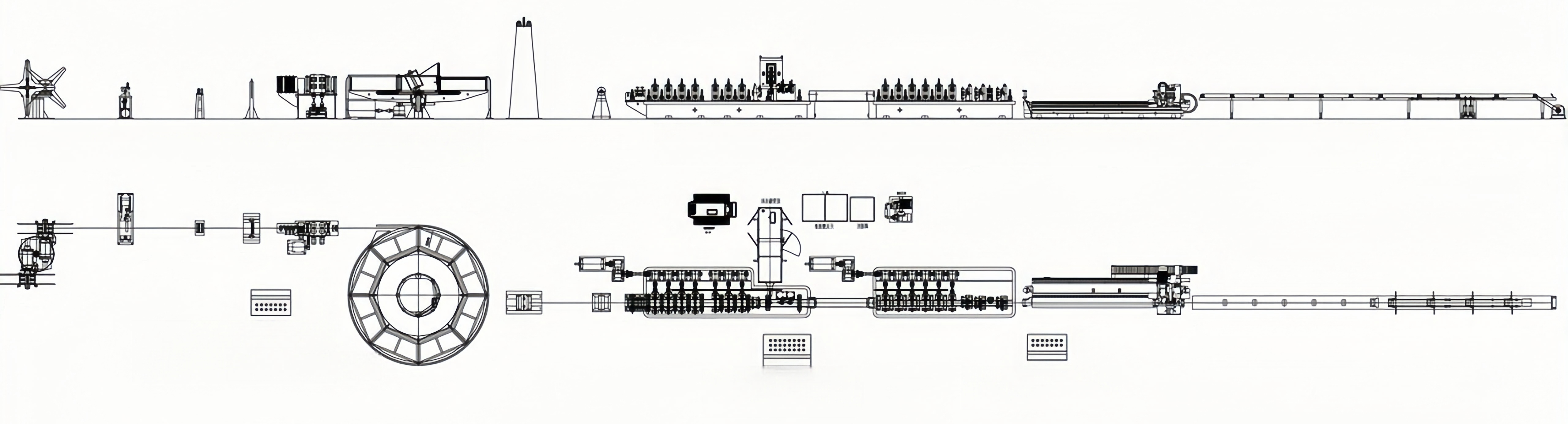
For B2B tube mill projects, a good inquiry should do more than ask for price. It should explain what the buyer wants to produce, what sizes matter most, what auxiliary equipment may be needed, and what project conditions the supplier should consider. This saves time on both sides and leads to a more practical quotation.
Why an RFQ Checklist Matters
A tube mill quotation is only as accurate as the information behind it. If the inquiry is vague, the reply will also be vague. If the inquiry clearly describes the production plan, the supplier can review model selection, tooling scope, utility requirement, and optional equipment more accurately.
1. Start with Tube Shape
The supplier should first know whether you want to produce:
- Round tube
- Square tube
- Rectangular tube
- Or a combination of these products
This affects machine selection, roll tooling scope, and line configuration.
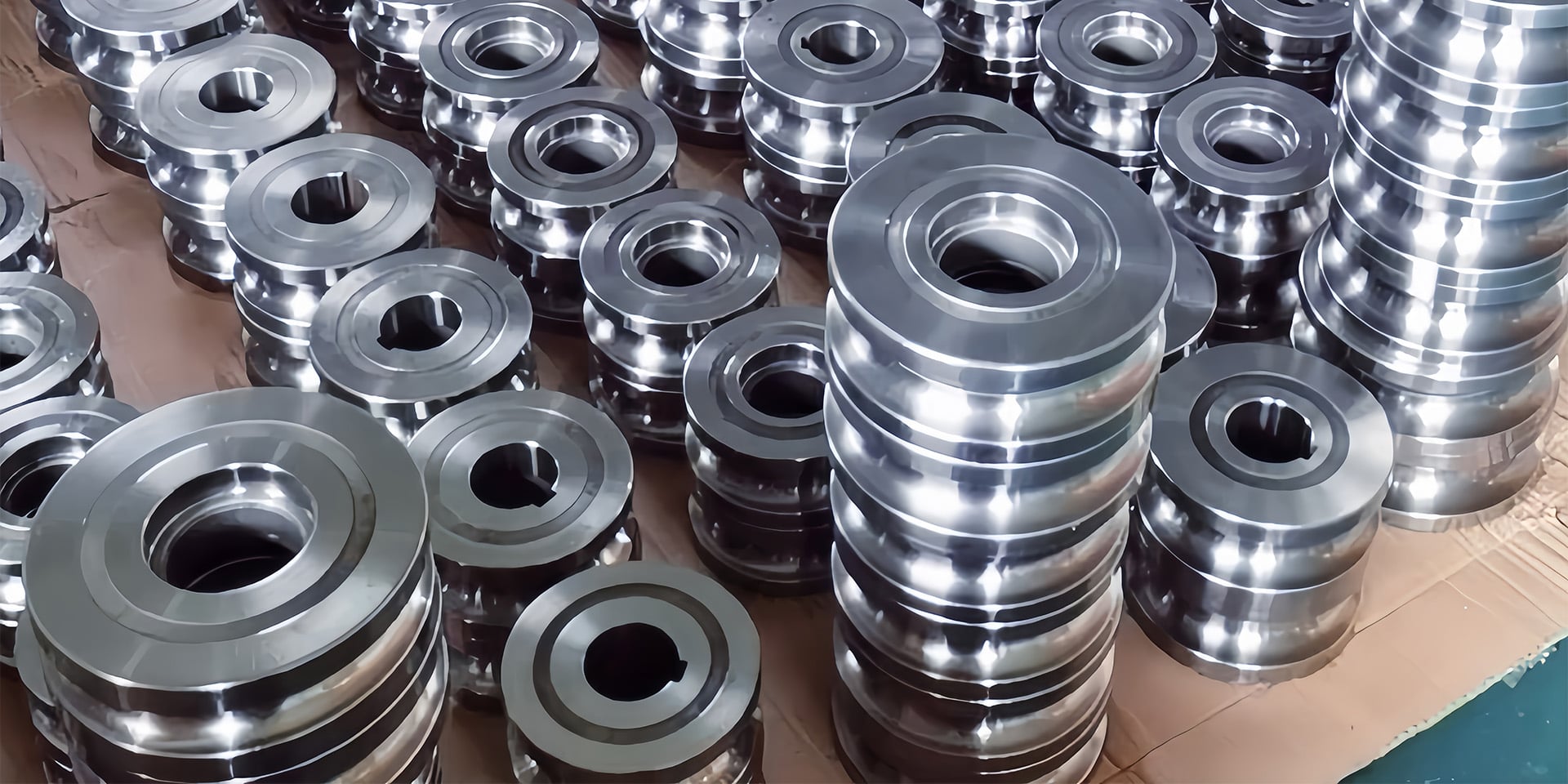
2. Send Exact Tube Sizes with Matching Wall Thickness
A general range is not enough. Please send the real production combinations, for example:
- Round tube: Φ25mm x 1.2mm
- Round tube: Φ50.8mm x 2.0mm
- Square tube: 40x40mm x 1.5mm
- Rectangular tube: 40x60mm x 2.0mm
This is one of the most important parts of the RFQ.
3. Explain the Main Product Mix
If your project will produce many sizes, tell the supplier which sizes are the main products. The best machine recommendation usually depends more on the main working sizes than on the widest possible range.
4. Add Raw Material Information
Buyers should also send:
- Material type
- Coil thickness if known
- Steel grade if relevant
- Whether the project is for black steel or GI-related production
Material condition can affect forming load, welding, and final machine selection.
5. Mention the Required Auxiliary Equipment
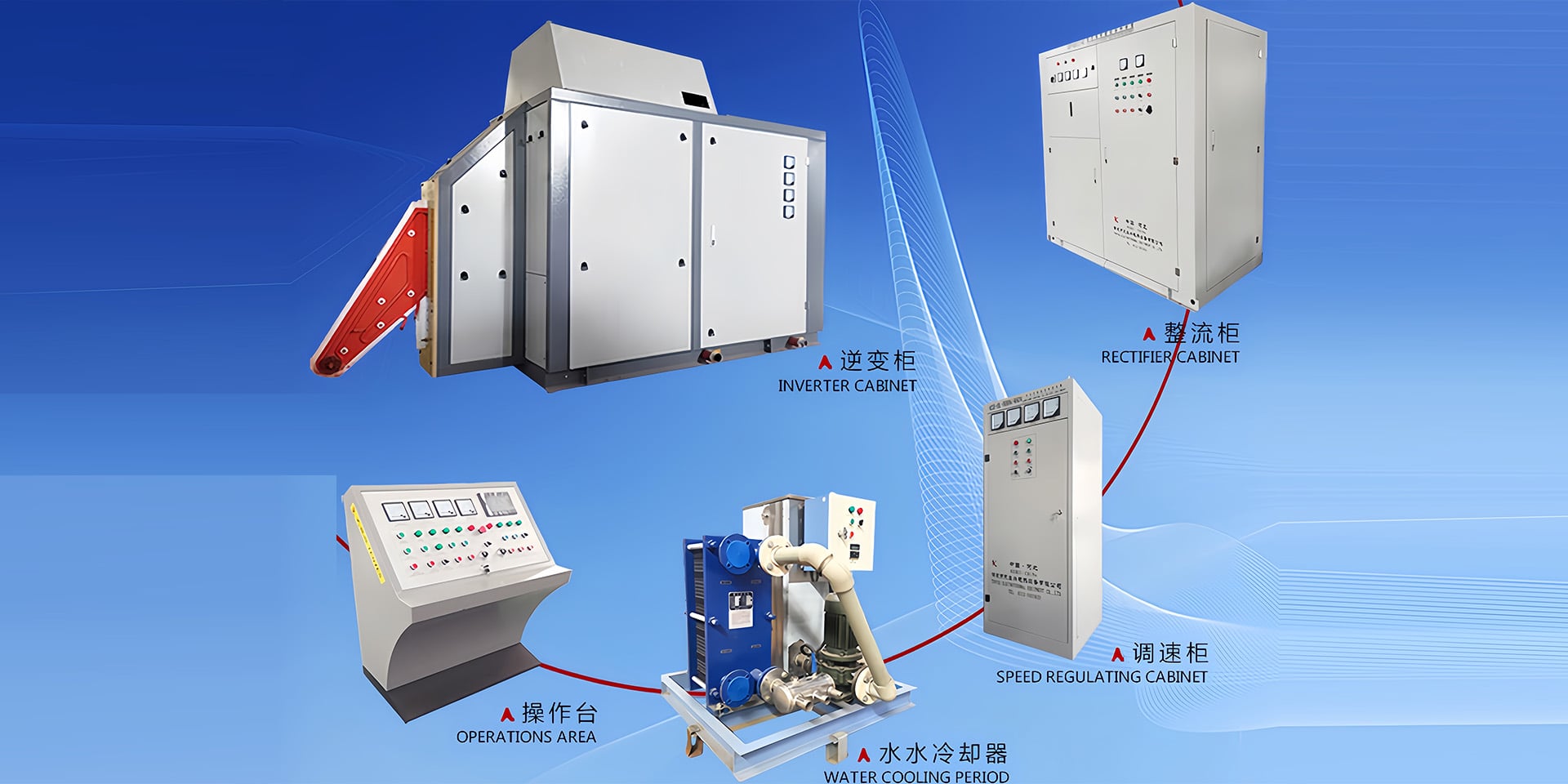
If you already know that you may need auxiliary equipment, mention it in the RFQ, such as:
- Cold saw
- Hot friction saw
- Hydraulic uncoiler
- Accumulator
- Slitting line
- Cut to length line
- Zinc spraying machine
- Automatic packing
This helps the supplier quote the correct project scope from the beginning.
6. Share Country and Utility Information
Country, local voltage, frequency, and workshop condition are useful for project review. These details help with utility planning, installation discussion, and practical line configuration.
7. Mention Target Purchase Time
If the project has a planned purchase schedule, mention it. This helps the supplier discuss delivery logic, preparation scope, and project coordination more clearly.
8. Leave Practical Contact Information
At minimum, the RFQ should include:
- Company name
- Country
- WhatsApp if available
Clear contact information makes follow-up faster and more useful.
9. Use a Simple RFQ Checklist
- Tube shape
- Exact tube size list
- Wall thickness
- Main product mix
- Raw material
- Auxiliary equipment requirement
- Country and utility information
- Purchase time
- Contact details
10. Ask for a Suitable Solution, Not Only the Lowest Price
A better RFQ does not only ask for the cheapest machine. It asks for a suitable solution that fits the real product plan. This helps the supplier explain model logic, tooling scope, service support, and optional configuration more clearly.
Related Reading
- What Information Do You Need to Get an Accurate Tube Mill Quote?
- Common Mistakes Buyers Make Before Ordering a Tube Mill
- How to Compare Two Tube Mill Quotations Before You Order
- Send Your RFQ to XFX
FAQ
Can I send only a general size range in my RFQ?
You can, but the quotation will usually remain rough. A more useful RFQ should include the real size and wall thickness combinations.
Why should I mention auxiliary equipment in the RFQ?
Because it affects project scope, machine selection, delivery planning, and the final quotation logic.
Should country and utility information be included in the inquiry?
Yes. These details help the supplier review power, installation, and line suitability more realistically.
What is the biggest benefit of a stronger RFQ?
It helps the supplier give a more suitable recommendation instead of only a broad reference price.
CTA
If you are preparing a tube mill RFQ, send your exact size list, wall thickness, material, auxiliary equipment needs, country, and purchase time. XFX can help you turn that inquiry into a more practical machine recommendation.
Recent Posts

October 26, 2016
The Most Successful Engineering ContractorJun 09, 2026
How to Reduce Scrap Rate in ERW Tube Mill ProductionRequest a Tube Mill Quote
Tube Mill Inquiry Information
Line Quantity
Unit
Set
Please send your tube shape, exact tube size, wall thickness, raw material, country, purchase time, WhatsApp or email, and company name. XFX will help check the suitable tube mill model and configuration for your production plan.