-
tel: +86-133 3812 3788
-
email: erwpipemill@gmail.com

EN
How to Compare Two Overlapping Tube Mill Models by Size and Wall Thickness
May 18, 2026
Many buyers notice that two tube mill models may seem to cover similar size ranges in the catalog. For example, one model may cover a lower range with stronger thickness capacity, while another model may cover a wider range but fit a different product mix better. In this situation, comparing only the range table can lead to the wrong decision.
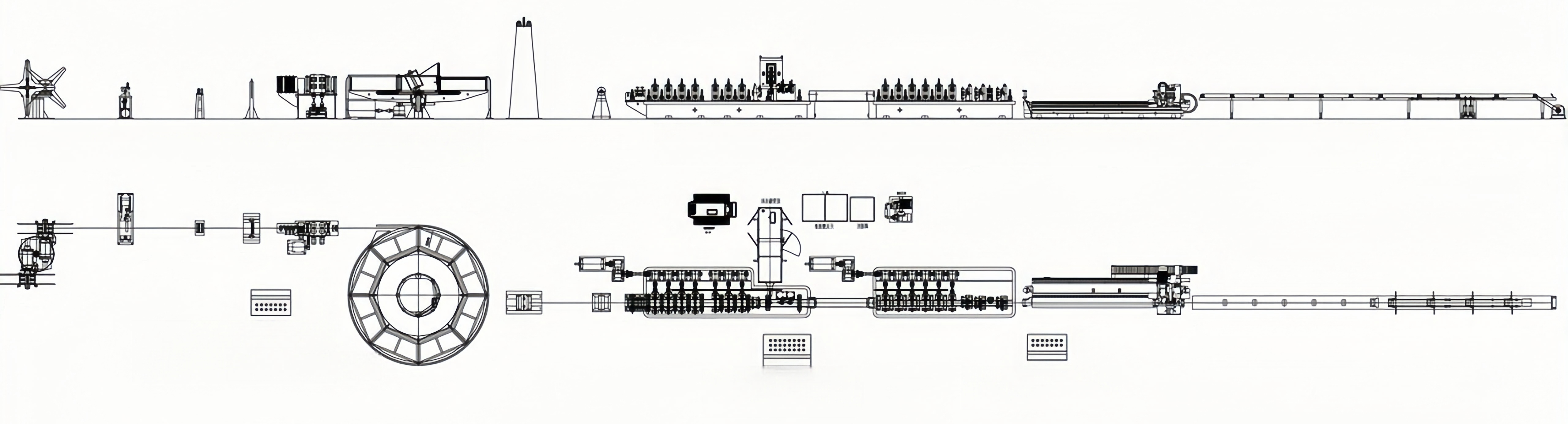
When two models overlap, buyers should compare not only outside diameter or section size, but also the exact wall thickness, main production sizes, product mix, line speed target, tooling scope, and future expansion plan. The goal is to choose the model that fits your real production logic, not just the one with the largest-looking range.
Why Overlapping Model Ranges Can Be Misleading
Catalog ranges are usually general references. They do not always explain which sizes are the main strengths of the model, how wall thickness changes the real suitability, or how the line behaves when the buyer wants several products in one project. Two models may both appear possible on paper, but only one may be more practical for your target products.
1. Start from the Main Production Sizes
If your project mainly produces only one or two important tube sizes, that should be the center of model comparison. For example, if your main product is closer to the upper end of one model and the lower end of another, the best choice may depend on wall thickness, productivity expectation, and future size change plan.
2. Wall Thickness Often Decides More Than Diameter
Overlapping models should never be compared only by diameter or section size. The same outside size can require a different model decision if one buyer produces thin-wall tube and another buyer produces thicker material. Always compare size together with the corresponding wall thickness.
3. Compare Product Mix, Not Only Maximum Range
Some buyers need only round tube. Others need round, square, and rectangular production in one line. Some need many size changes, while others produce a narrow standard range. The better model depends on what you will produce most often, not only what the brochure says is possible.
4. Check Whether the Model Fits Future Expansion
If you expect to add larger sizes, thicker wall products, or different shapes later, the comparison should include future expansion. In some cases, a slightly larger model is more reasonable. In other cases, a smaller model is better because it matches your real production plan without unnecessary extra cost.
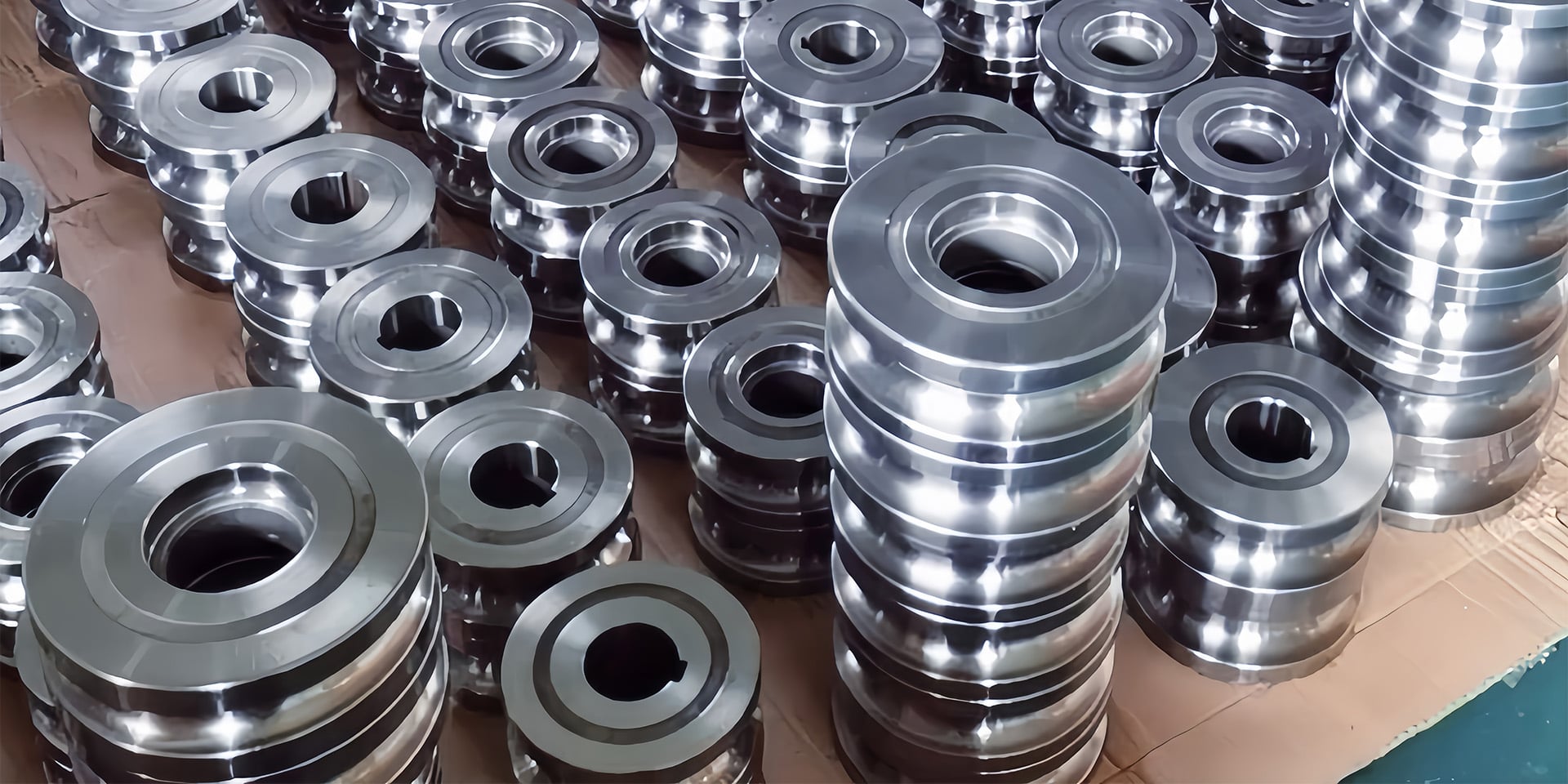
5. Compare Tooling Scope and Changeover Logic
When two models overlap, tooling scope can become an important decision factor. Buyers should ask:
- How many sizes are included in the tooling package
- Whether square and rectangular tooling is included
- How practical size changeover will be
- Which sizes are considered the main working range of the model
6. Think About Speed and Production Rhythm
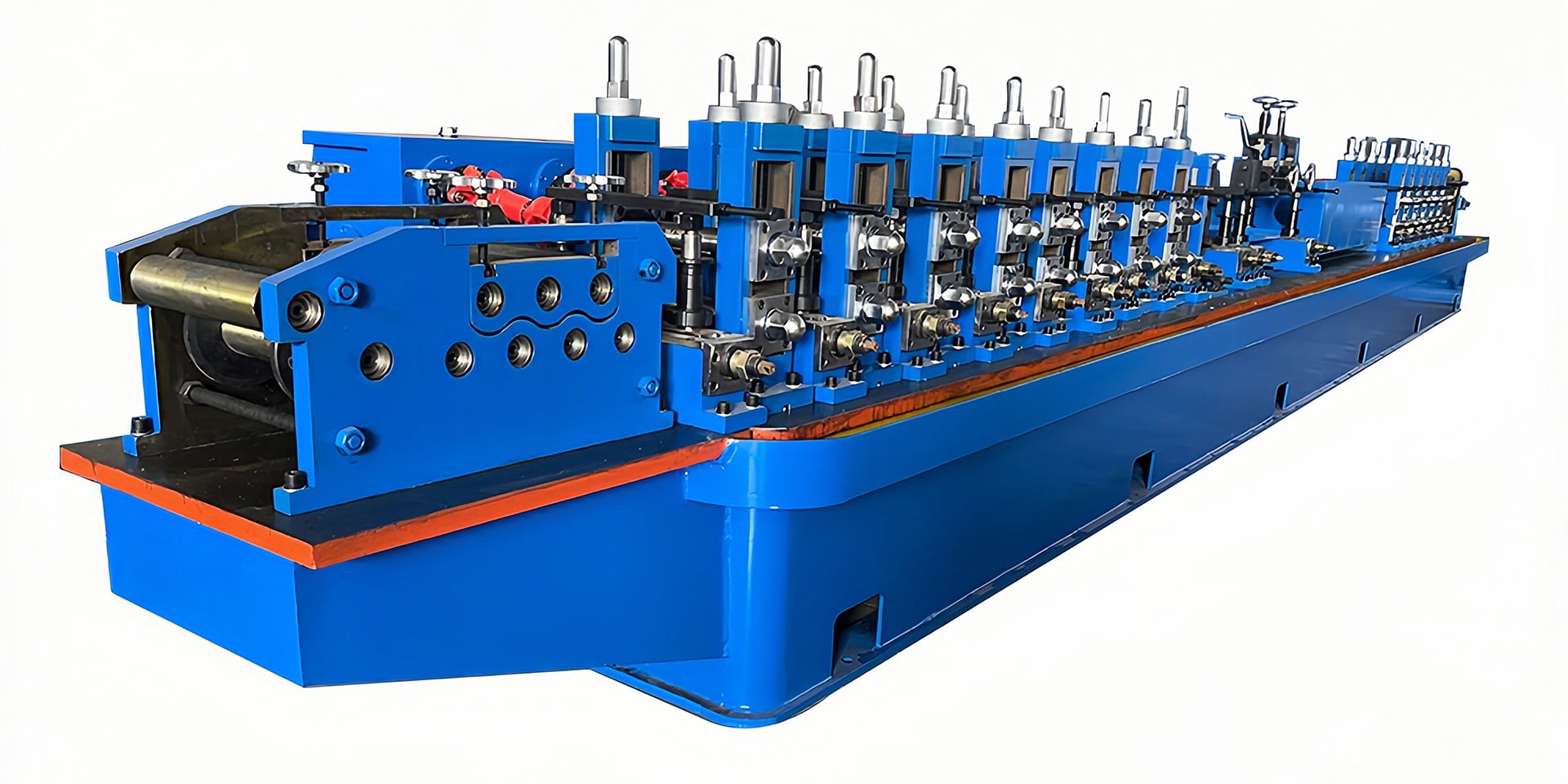
The best model is not only the one that can produce the size, but the one that can do so more practically for your intended production rhythm. If your business depends on stable output at certain sizes, the more suitable working range of the machine matters more than the broadest catalog line.
7. Ask the Supplier Which Model Matches Your Exact Size List Better
Instead of asking only, “Which model can do 20-80mm?”, send your actual size list. A better supplier should compare the real combinations, such as:
- Round tube: Φ25mm x 1.2mm
- Round tube: Φ50.8mm x 2.0mm
- Square tube: 40x40mm x 1.5mm
- Rectangular tube: 40x60mm x 2.0mm
With this information, the supplier can explain why one overlapping model is more practical than another.
8. Do Not Choose by Price Alone
If one model is cheaper, check whether it still matches your true production target with enough margin for stable running, tooling scope, and future needs. A lower price is useful only if the model is still the right fit.
Related Reading
- How to Choose a Tube Mill Model by Tube Size and Wall Thickness
- What Information Do You Need to Get an Accurate Tube Mill Quote?
- How to Compare Two Tube Mill Quotations Before You Order
- View Tube Mill Machines
FAQ
Can I choose between overlapping tube mill models only by range table?
No. You should compare the exact size and wall thickness combinations, product mix, tooling scope, and future plan.
Why does wall thickness matter so much when model ranges overlap?
Because the same size with different thickness can lead to a different model recommendation in real production.
Should I compare overlapping models by my main product sizes?
Yes. Your main production sizes matter more than the widest possible catalog range.
What should I send to get a better model comparison?
Send your exact tube size list, wall thickness, material, product mix, and future expansion plan.
CTA
If you are comparing two overlapping tube mill models, send your exact tube sizes, wall thicknesses, and future plan. XFX can help you review which model is more practical for your real production target.
Recent Posts

October 26, 2016
The Most Successful Engineering ContractorJun 09, 2026
How to Reduce Scrap Rate in ERW Tube Mill ProductionRequest a Tube Mill Quote
Tube Mill Inquiry Information
Line Quantity
Unit
Set
Please send your tube shape, exact tube size, wall thickness, raw material, country, purchase time, WhatsApp or email, and company name. XFX will help check the suitable tube mill model and configuration for your production plan.