-
tel: +86-133 3812 3788
-
email: erwpipemill@gmail.com

EN
How to Match HF Welder Power with Tube Size, Wall Thickness and Production Plan
May 18, 2026
Many buyers ask what HF welder power should be used for a tube mill project, but there is no practical answer without the real tube specification. HF welder selection should be matched to tube size, wall thickness, material, line speed target, and the overall production plan.
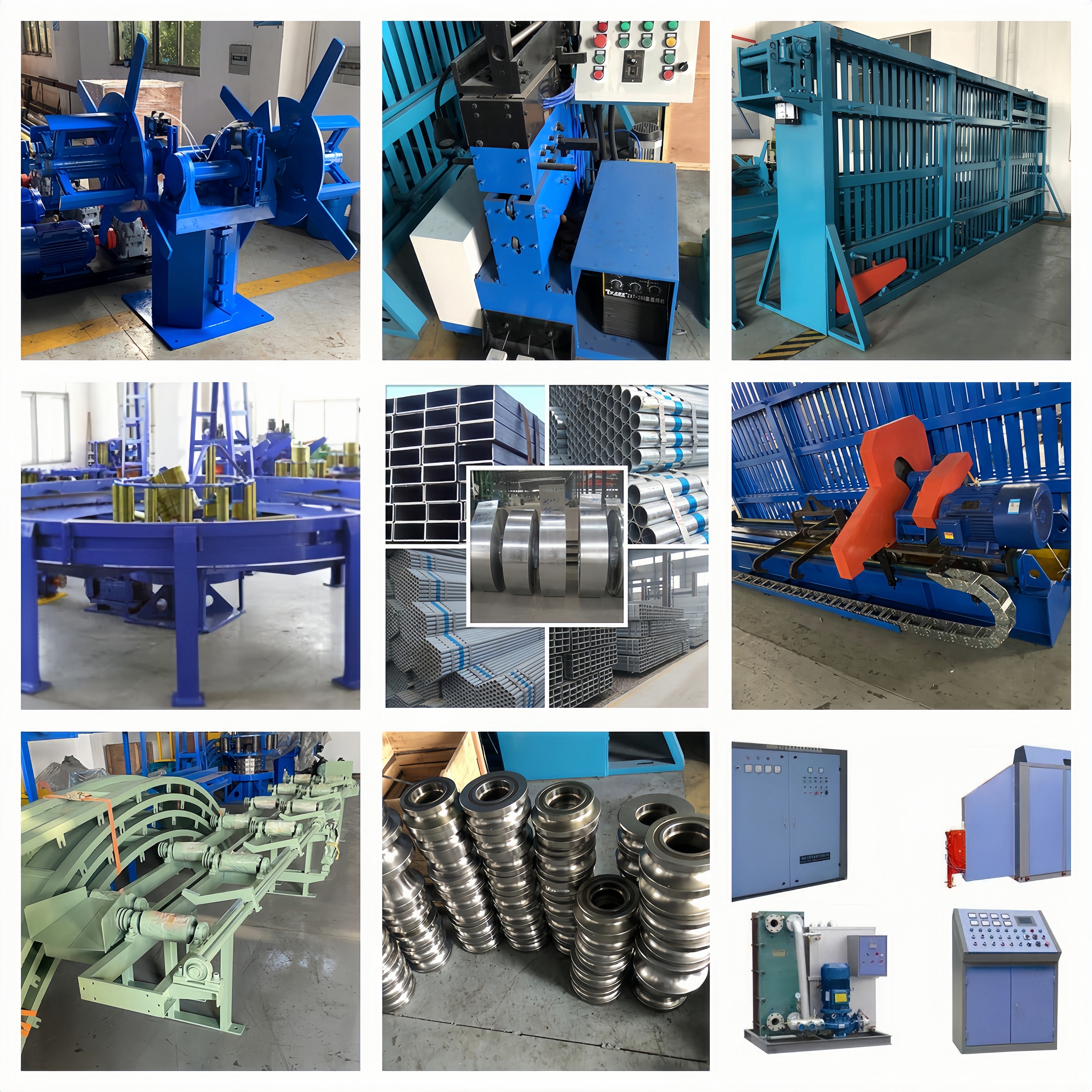
If the HF welder is undersized, welding stability may suffer when production demand increases. If it is oversized without reason, the buyer may spend more than necessary. The better approach is to review welder power together with the real tube product mix and the expected running condition of the line.
Why HF Welder Selection Matters
The HF welder is one of the most important sections in an ERW tube mill line. It directly influences weld seam quality, production stability, and how confidently the line can handle the intended tube specification. Buyers should therefore treat welder selection as a project-level decision, not just an accessory choice.
1. Start from Exact Tube Size and Wall Thickness
The most important starting point is your real product list, for example:
- Round tube: Φ25mm x 1.2mm
- Round tube: Φ50.8mm x 2.0mm
- Square tube: 40x40mm x 1.5mm
- Rectangular tube: 40x60mm x 2.0mm
Without this information, welder power discussion is only a rough guess.
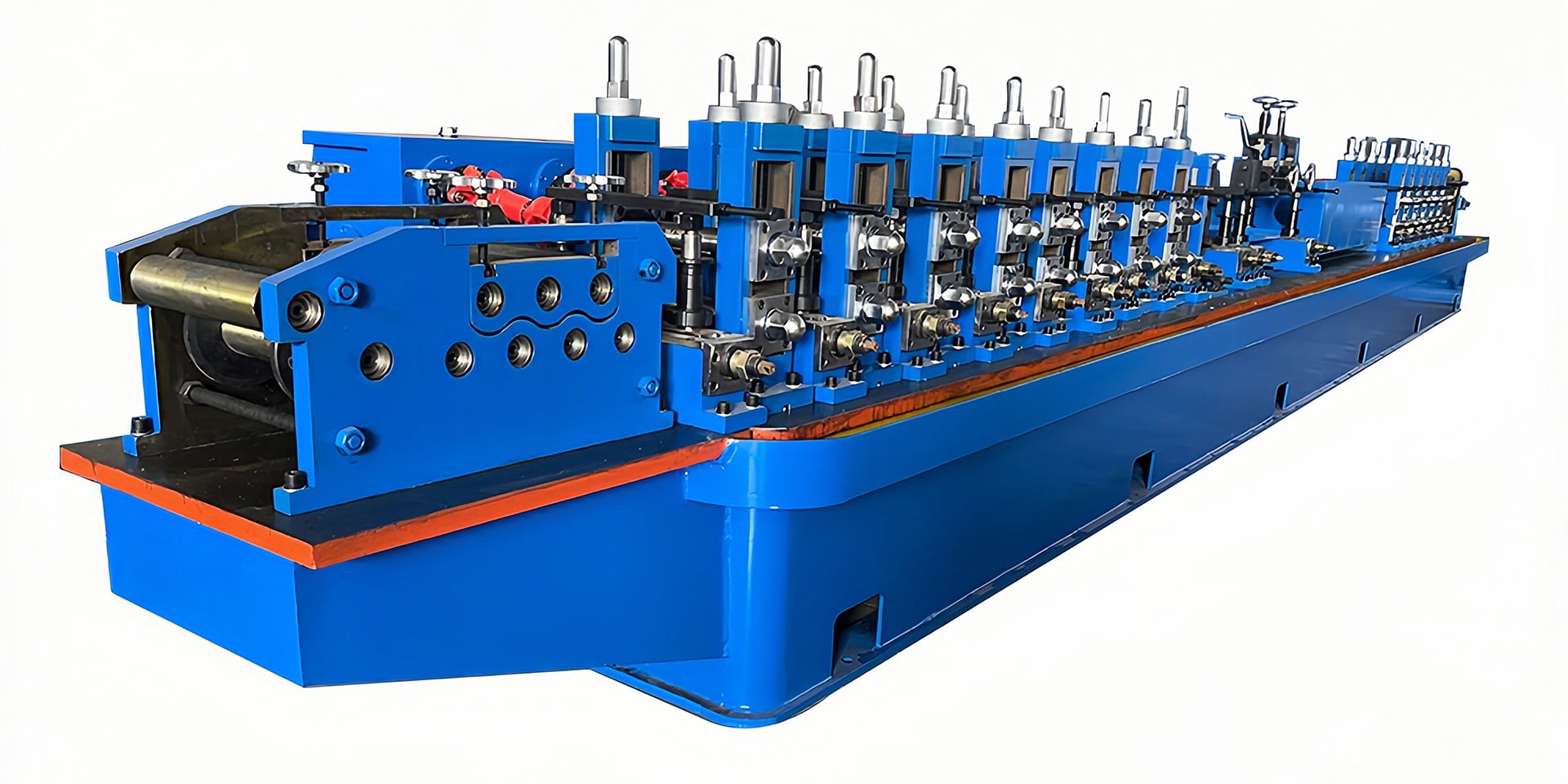
2. Wall Thickness Often Has More Influence Than Buyers Expect
Two products with similar diameter may require different welding capacity if the wall thickness is different. Buyers should not compare HF welder power only by tube size range. The matching thickness and actual product mix matter greatly in practical selection.
3. Material Condition Should Be Considered
Raw material type and condition can influence how the welding process behaves. If the project uses a specific strip material, or if the buyer expects a certain production consistency, the supplier should review this together with size and thickness information before recommending welder power.
4. Compare Welder Power with the Real Running Speed Target
The line may technically produce a tube size, but the practical target also depends on the expected production rhythm. Buyers should discuss whether the welder recommendation matches:
- Main production sizes
- Wall thickness combinations
- Expected line speed
- Planned product mix
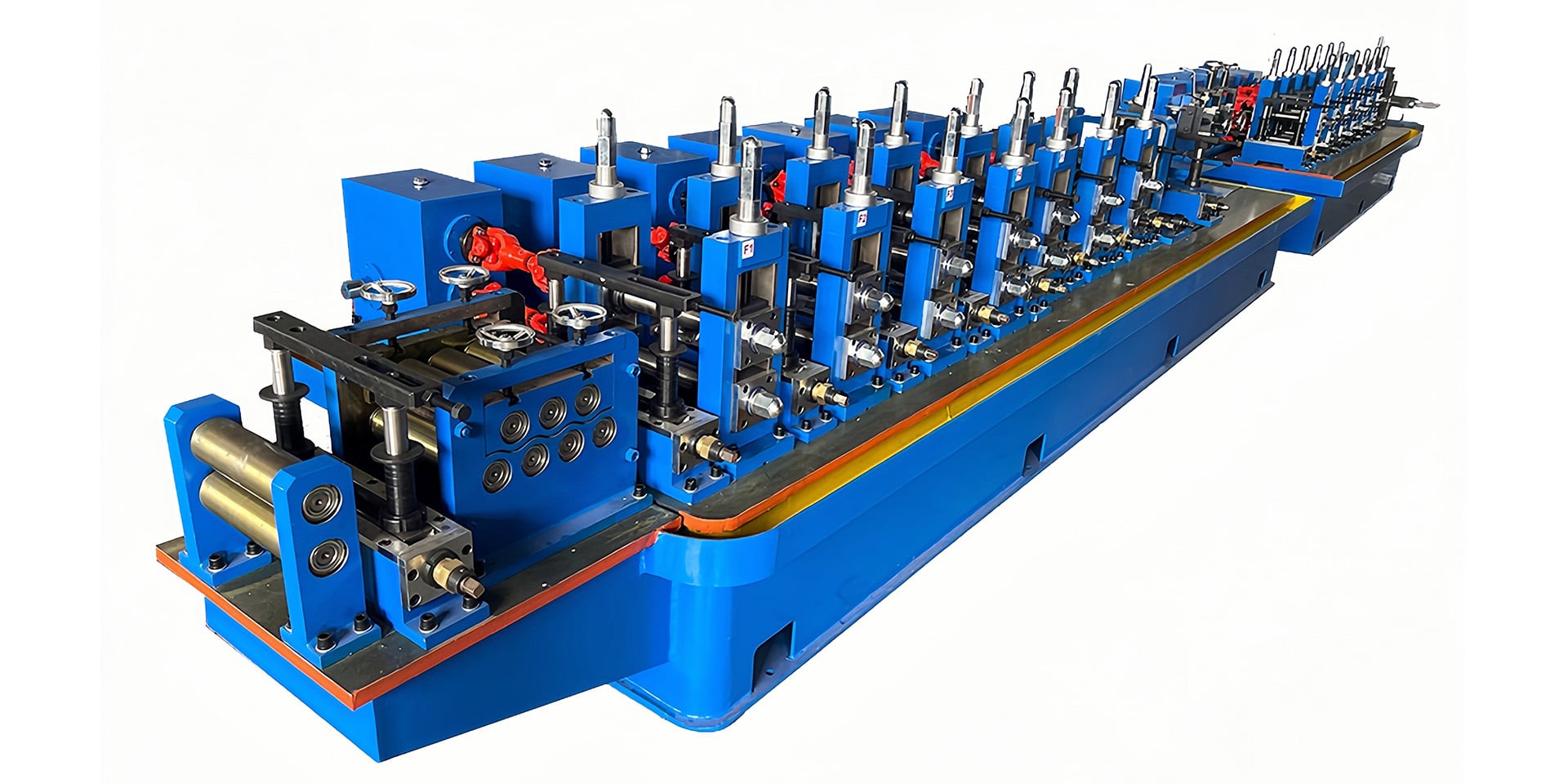
5. Welder Selection Should Match the Full Line Scope
A useful recommendation should consider the whole line, including forming, welding, sizing, cutting, and utility conditions. HF welder selection should not be treated as an isolated number separate from the actual machine configuration.
6. Ask Whether the Recommended Welder Covers Future Expansion
If you may later add larger sizes, thicker products, or a broader product mix, ask whether the suggested welder still gives enough room for that plan. In some projects, buyers prefer a little more flexibility. In others, a narrower but more cost-efficient match is better.
7. Utility Preparation Should Be Reviewed Together
HF welder selection also affects utility planning. Buyers should review:
- Power requirement
- Cooling water condition
- Cable routing
- Workshop support readiness
This is another reason why welder power should be discussed before the project moves too far ahead.
8. Do Not Choose by a Single Number Alone
Buyers should avoid choosing a welder simply because another supplier used the same power number in a different project. The correct choice depends on your real tube list, thickness, material, speed expectation, and full line logic.
What Buyers Should Send for a Better HF Welder Recommendation
- Tube shape
- Exact tube size list
- Wall thickness
- Raw material information
- Main product mix
- Expected running speed
- Country and utility condition
Related Reading
- View Solid-State HF Welder Solutions
- How to Check Tube Mill Power Consumption and Utility Scope Before Ordering
- How to Choose a Tube Mill Model by Tube Size and Wall Thickness
- How to Compare Two Overlapping Tube Mill Models by Size and Wall Thickness
FAQ
Can HF welder power be chosen only by tube diameter?
No. Buyers should also compare wall thickness, material, product mix, and expected line speed.
Why does wall thickness matter for welder selection?
Because it changes the real welding demand even when the outside tube size looks similar.
Should utility planning be reviewed together with HF welder selection?
Yes. Power, cooling water, and workshop readiness are all related to the final welder choice.
What is the safest way to get a useful welder recommendation?
Send the exact tube size list, wall thickness, material, speed target, and project utility condition.
CTA
If you are choosing HF welder power for a tube mill project, send your exact tube sizes, wall thicknesses, material, and target speed. XFX can help you review a more practical welder match for your production line.
Recent Posts

October 26, 2016
The Most Successful Engineering ContractorJun 09, 2026
How to Reduce Scrap Rate in ERW Tube Mill ProductionRequest a Tube Mill Quote
Tube Mill Inquiry Information
Line Quantity
Unit
Set
Please send your tube shape, exact tube size, wall thickness, raw material, country, purchase time, WhatsApp or email, and company name. XFX will help check the suitable tube mill model and configuration for your production plan.