-
tel: +86-133 3812 3788
-
email: erwpipemill@gmail.com

EN
How Coil Width, Strip Material and Slitting Line Coordination Affect Tube Mill Production
May 18, 2026
Many buyers focus on the tube mill itself, but the project may still run poorly if coil width planning, strip preparation, and slitting line coordination are not reviewed properly. A stable tube mill project depends not only on forming and welding, but also on whether the incoming strip is prepared correctly for the target tube sizes.
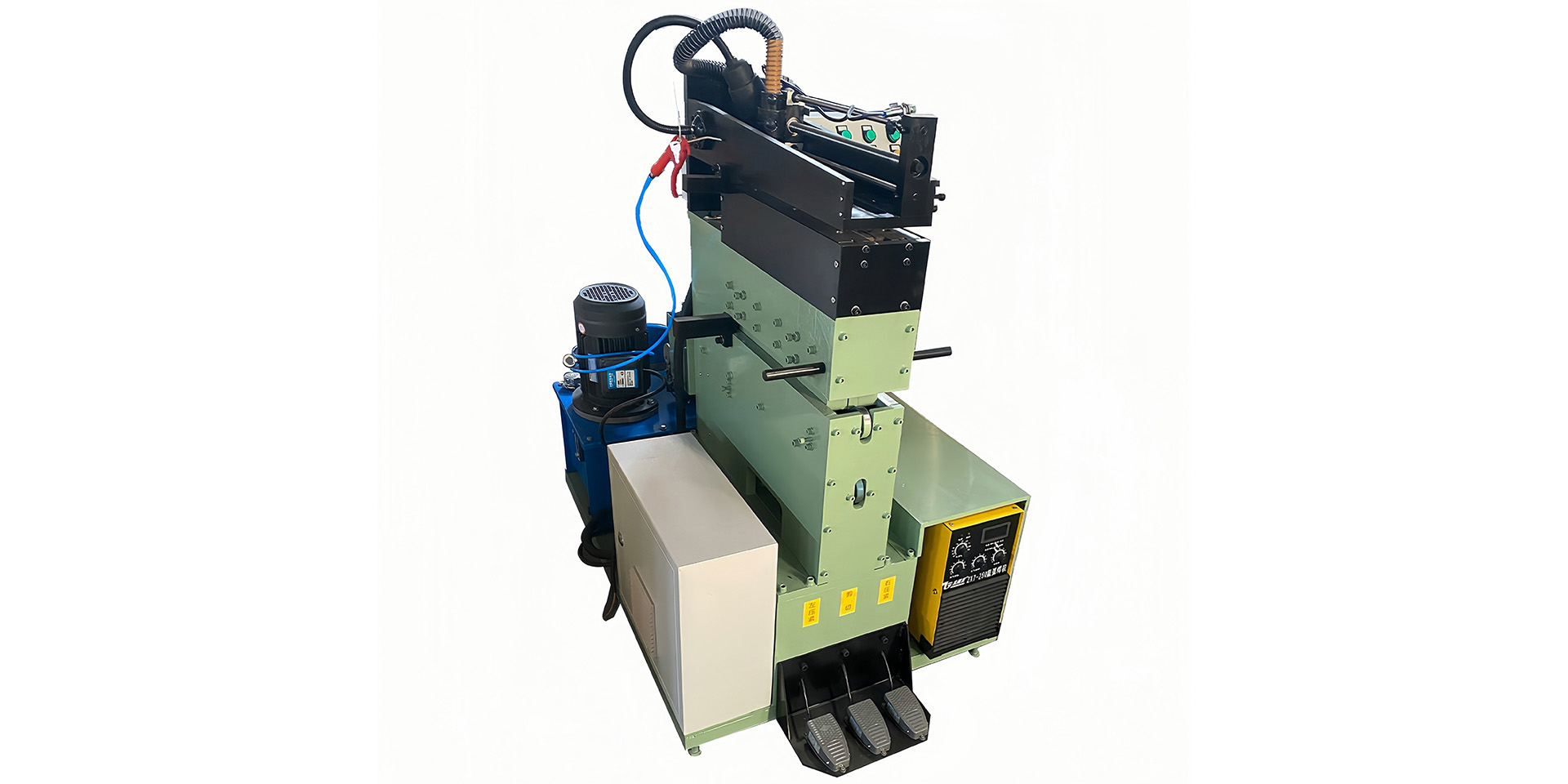
If the strip width is wrong, if edge quality is inconsistent, or if the slitting scope does not match the planned tube range, the buyer may face forming instability, welding problems, extra downtime, or poor size consistency later. That is why slitting line coordination should be discussed together with the tube mill project from the beginning.
Why Coil Width and Slitting Coordination Matter
A tube mill produces welded tubes from prepared steel strip. If the strip is not supplied in the right width, thickness condition, or edge quality, the line may still run, but production quality and efficiency can suffer. Buyers should therefore review raw material preparation as part of the full project scope.
1. Tube Size Determines the Strip Requirement
The strip requirement depends on the actual product plan, including:
- Tube shape
- Exact tube size
- Wall thickness
- Material type
- Main production sizes
This is why buyers should provide the real size list instead of only a general range.
2. Wrong Coil Width Can Affect Forming Stability
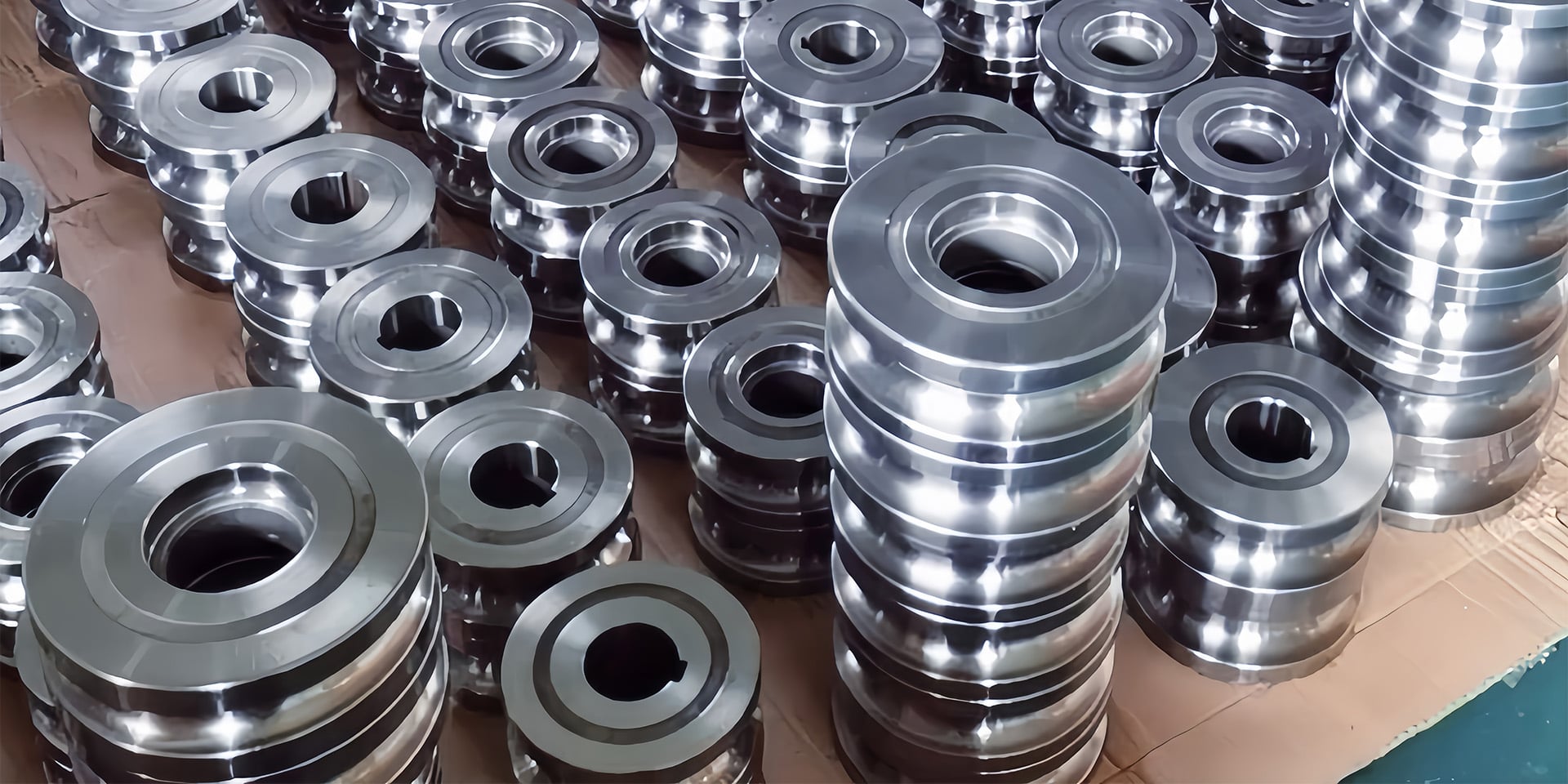
If the strip width is not matched properly to the intended tube size, forming quality can suffer. Buyers should not assume that any strip close to the target width is acceptable. Practical width control matters for consistent tube shape and welding performance.
3. Edge Quality Affects Welding Quality
Even when the width is close, poor strip edge quality can make welding more difficult. This is one reason why buyers should review whether the raw material source and slitting process are suitable for the expected tube quality level.
4. A Slitting Line Can Improve Project Coordination
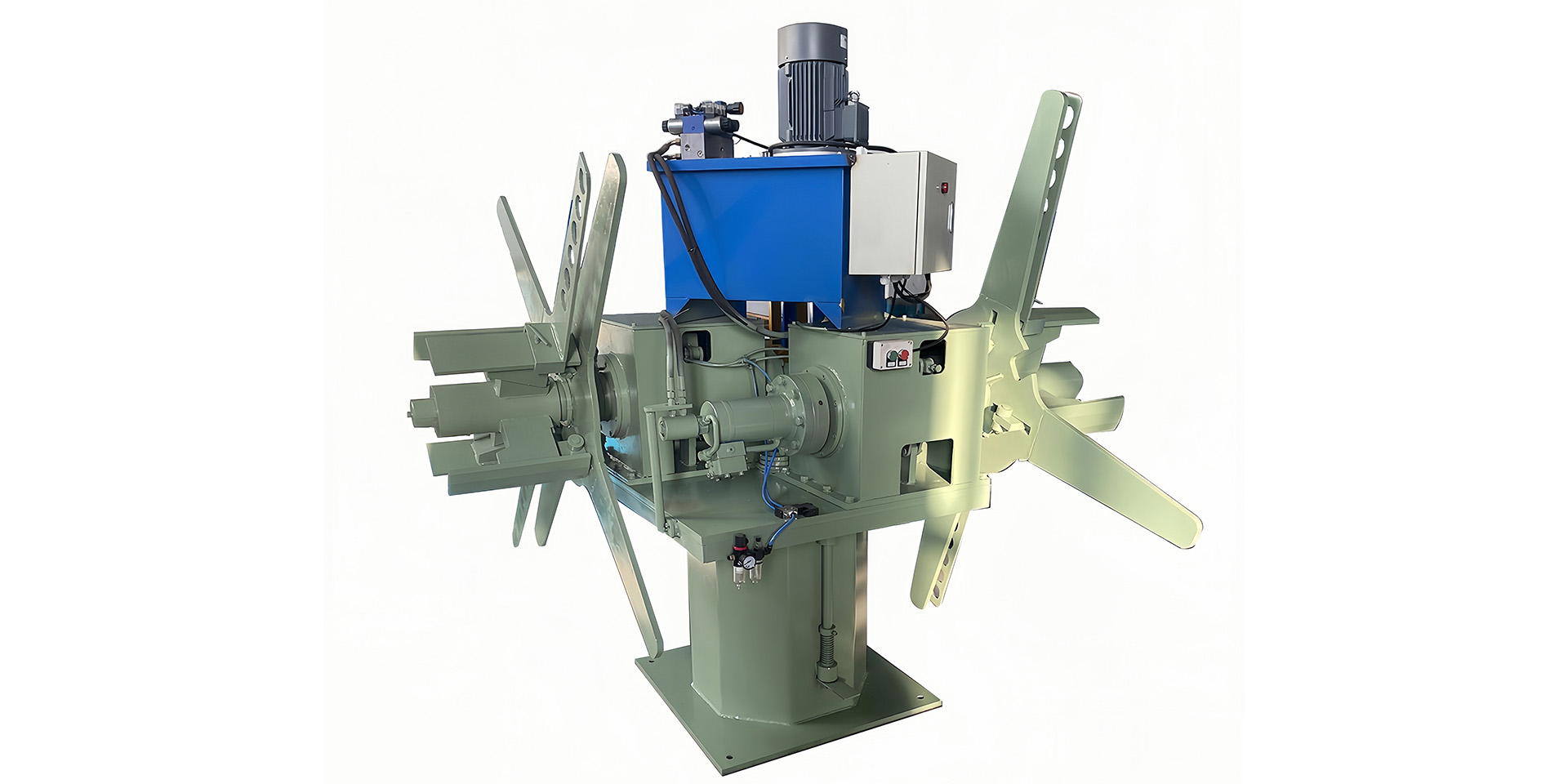
For buyers who need more flexibility in raw material preparation, a slitting line can help coordinate strip width supply with the tube production plan. This is especially useful when the project includes multiple tube sizes or when coil purchasing and strip preparation need tighter control.
5. Compare Tube Mill Scope Together with Slitting Scope
If your project needs both slitting and tube production, ask the supplier to explain how the two scopes connect. Buyers should confirm:
- What strip widths are expected for the main sizes
- Whether the slitting line scope matches the product mix
- How raw material thickness range affects both systems
- Whether future size expansion changes strip preparation needs
6. Material Planning Helps Reduce Downtime
When strip preparation is planned correctly, the tube mill has a better chance of running more smoothly. Better material coordination can reduce repeated setup, improve consistency, and support more stable production scheduling.
7. Buyers Should Ask About Raw Material Logic Early
During quotation and technical discussion, buyers should not only ask what machine model is suitable. They should also ask what raw material logic supports the project best. This includes strip width planning, strip thickness condition, and whether a slitting line should be part of the broader project.
What Buyers Should Send for Better Slitting Line Coordination
- Tube shape
- Exact tube size list
- Wall thickness
- Raw material information
- Main product mix
- Whether a slitting line is already available
- Future expansion plans
Related Reading
- View Slitting Line Solutions
- What Information Do You Need to Get an Accurate Tube Mill Quote?
- How to Choose a Tube Mill Model by Tube Size and Wall Thickness
- Complete ERW Tube Mill Line Configuration Guide
FAQ
Why should strip width be reviewed together with the tube mill project?
Because strip width directly affects forming quality, welding stability, and whether the final tube size can be produced consistently.
Can a slitting line improve coordination for a tube mill project?
Yes. It can help match strip preparation more closely with the planned tube sizes and production mix.
Is raw material edge quality important for welding?
Yes. Poor edge quality can make welding more difficult and reduce overall line stability.
What should I send if I want to discuss slitting and tube production together?
Send your exact tube sizes, wall thicknesses, raw material information, and whether you already have a slitting line or need one in the project scope.
CTA
If you are planning a tube mill project with multiple tube sizes or flexible raw material preparation, send your product list, wall thickness, strip information, and production plan. XFX can help you review whether slitting line coordination should be included in the project.
Recent Posts

October 26, 2016
The Most Successful Engineering ContractorJun 09, 2026
How to Reduce Scrap Rate in ERW Tube Mill ProductionRequest a Tube Mill Quote
Tube Mill Inquiry Information
Line Quantity
Unit
Set
Please send your tube shape, exact tube size, wall thickness, raw material, country, purchase time, WhatsApp or email, and company name. XFX will help check the suitable tube mill model and configuration for your production plan.