-
tel: +86-133 3812 3788
-
email: erwpipemill@gmail.com

EN
When Does a GI Pipe Line Need Zinc Spraying for Weld Seam Protection?
May 18, 2026
Many buyers of GI pipe lines know that weld seam protection matters, but they are not always sure when a zinc spraying machine is necessary or how it fits into the production process. If the finished pipe will be used in markets that care about corrosion resistance at the welded seam, buyers should review weld seam protection together with the tube mill project, not as an afterthought.
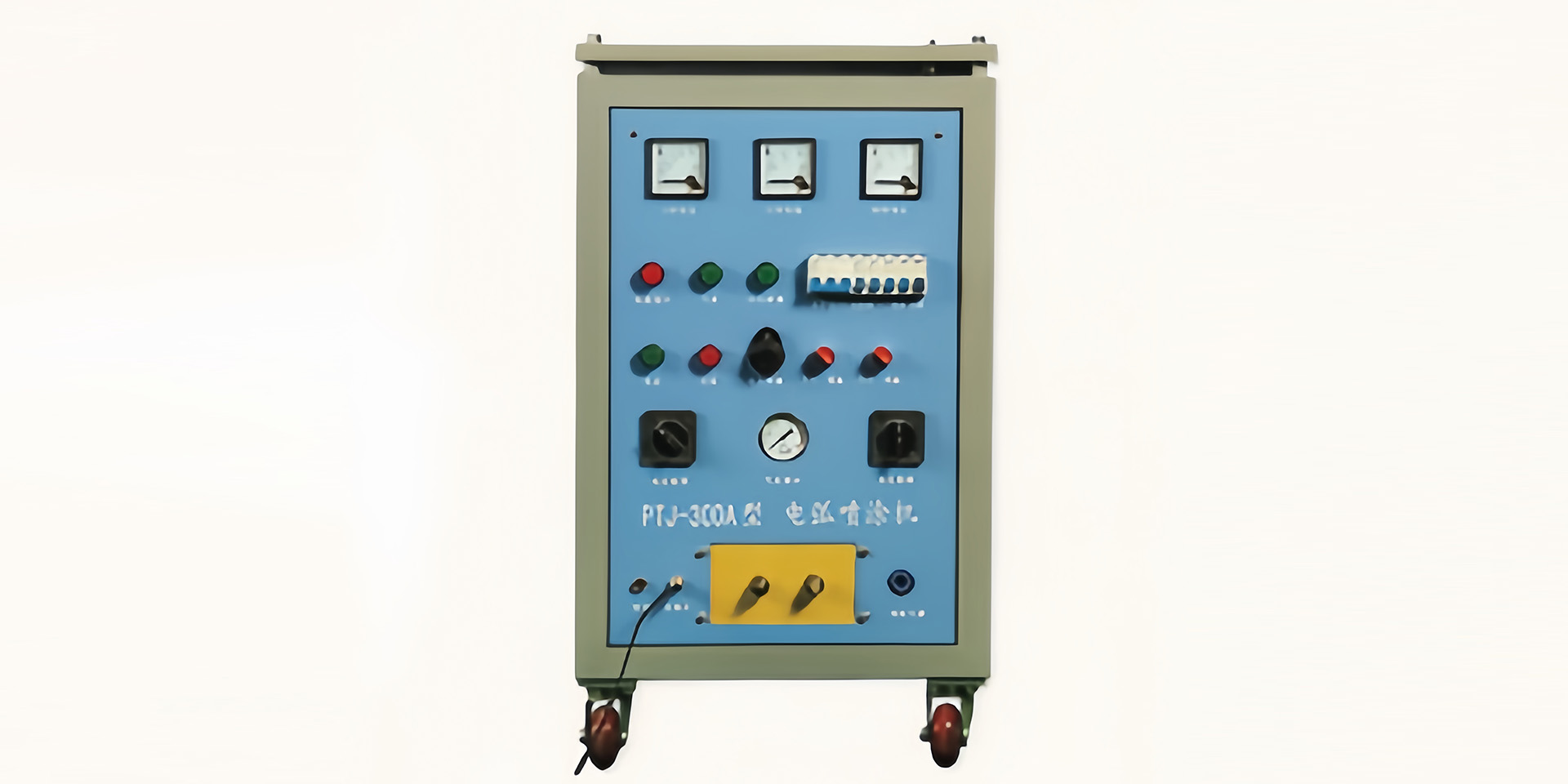
A zinc spraying machine does not replace the need for good welding quality, but it can support weld seam protection where the project requires it. Buyers should therefore compare product use, market requirement, production speed, and line coordination before deciding whether weld seam zinc spraying should be included in the project scope.
Why Weld Seam Protection Matters in GI Pipe Production
In GI pipe production, buyers often care about how the welded seam will perform in practical use. If the target market is sensitive to seam corrosion risk, appearance, or downstream acceptance, weld seam protection should be reviewed early as part of the line design and production planning.
1. Start from the Finished Pipe Use
Before deciding on a zinc spraying machine, buyers should first confirm how the finished GI pipe will be used. Different markets and product uses may place different attention on weld seam protection, visual consistency, and long-term corrosion resistance.
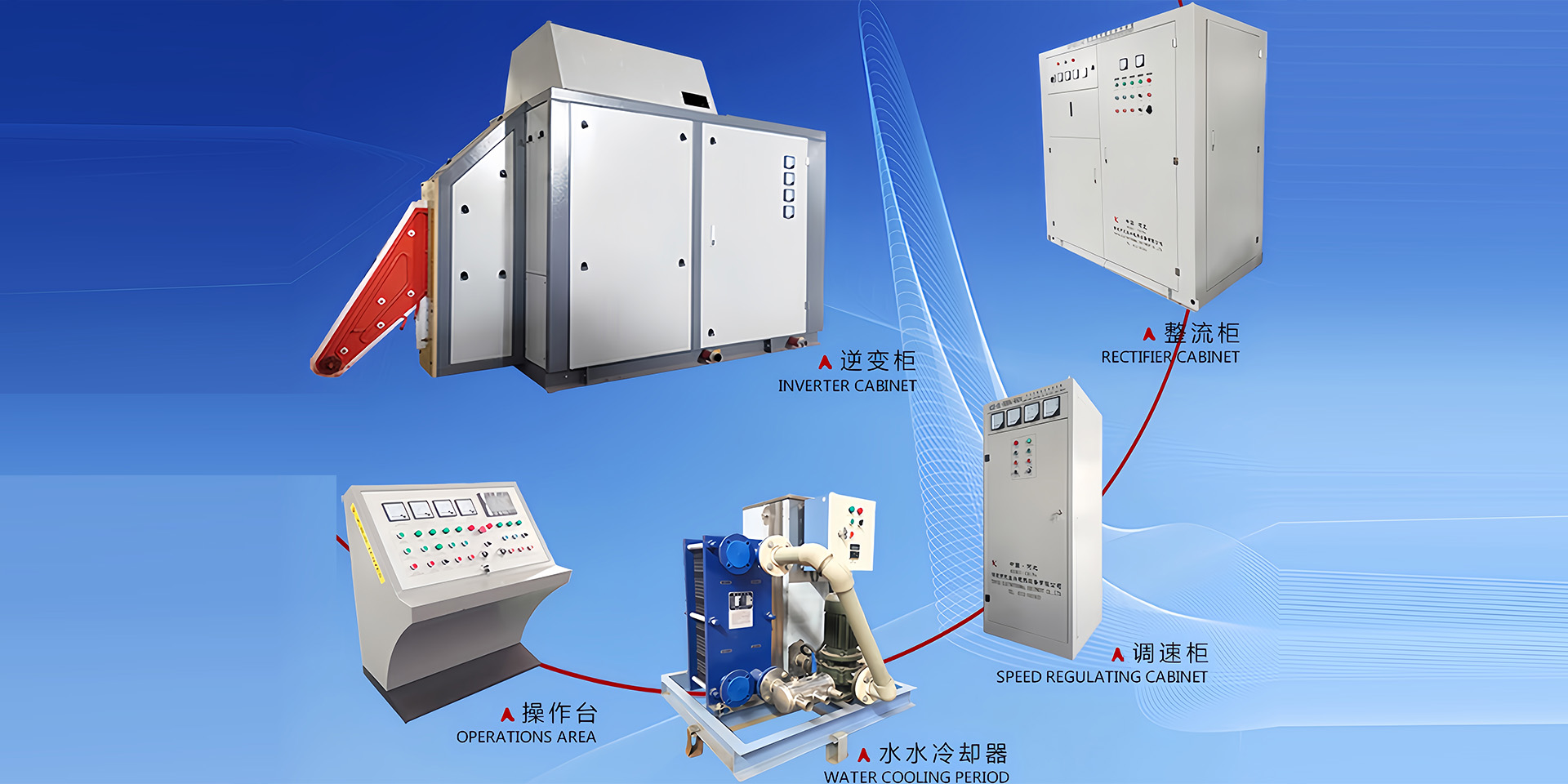
2. Good Welding Quality Still Comes First
Weld seam protection begins with good welding quality. Buyers should not treat zinc spraying as a substitute for proper tube mill setup, material preparation, and welding stability. The first step is still to produce a sound welded seam before considering downstream protection support.
3. Ask Whether the Market Really Requires Seam Protection
Some buyers need zinc spraying because their downstream market or customer expectation makes seam protection more important. Others may not need it for every product. A more useful decision comes from understanding the market requirement instead of adding the machine automatically to every project.
4. Zinc Spraying Should Match Tube Size and Production Plan
When weld seam protection is required, buyers should review whether the zinc spraying machine is suitable for:
- Main pipe sizes
- Wall thickness range
- Expected production speed
- GI pipe product mix
The machine scope should be connected to the real production plan, not only a general description.

5. Compare Zinc Spraying with the Full Line Coordination
Buyers should review how zinc spraying fits into the full line logic, including welding, sizing, cutting, run-out handling, and final packing. A good supplier should explain how seam protection equipment connects with the broader production workflow.
6. Utility and Maintenance Should Also Be Considered
Like any auxiliary equipment, a zinc spraying machine should also be checked for practical installation, maintenance, and operation. Buyers should ask about maintenance points, spare parts logic, and whether the line team can support the equipment during regular production.
7. Include Weld Seam Protection in the Quotation Logic
If seam protection is required, it should be included clearly in the quotation scope instead of being treated as an unclear optional detail. This helps buyers compare offers more accurately and avoid misunderstanding later.
What Buyers Should Send to Discuss Zinc Spraying More Clearly
- Main GI pipe sizes
- Wall thickness range
- Product use and target market
- Expected production speed
- Whether seam protection is mandatory or optional
- Full line scope already planned
Related Reading
- View Zinc Spraying Machine Solutions
- Zinc Spraying Machine for GI Pipe Weld Seam: What Tube Mill Buyers Should Know
- How to Match HF Welder Power with Tube Size, Wall Thickness and Production Plan
- Complete ERW Tube Mill Line Configuration Guide
FAQ
Does a zinc spraying machine replace good welding quality?
No. Good welding quality still comes first. Zinc spraying is an added protection process where the project requires it.
Should every GI pipe project include weld seam zinc spraying?
Not always. Buyers should decide according to market requirement, product use, and production plan.
Can seam protection be discussed after the tube mill is already chosen?
It is better to review it earlier so the machine scope, utility planning, and quotation logic are clearer from the start.
What information helps the supplier recommend a zinc spraying machine more accurately?
Send your GI pipe sizes, wall thickness range, product use, market requirement, and expected production speed.
CTA
If your GI pipe project may require weld seam protection, send your pipe size list, wall thickness, product use, and target market. XFX can help you review whether zinc spraying should be included in the line scope.

Recent Posts

October 26, 2016
The Most Successful Engineering Contractor
Jun 09, 2026
How to Reduce Scrap Rate in ERW Tube Mill Production

Request a Tube Mill Quote
Tube Mill Inquiry Information
Line Quantity
Unit
Set
Please send your tube shape, exact tube size, wall thickness, raw material, country, purchase time, WhatsApp or email, and company name. XFX will help check the suitable tube mill model and configuration for your production plan.