-
tel: +86-133 3812 3788
-
email: erwpipemill@gmail.com

EN
How to Compare Two Tube Mill Quotations Before You Order
May 18, 2026
Many buyers receive two or three tube mill quotations and compare only the final price. This is risky. A lower quotation is not always a better project choice if the machine scope, tooling scope, auxiliary equipment, service support, or technical limits are not the same.
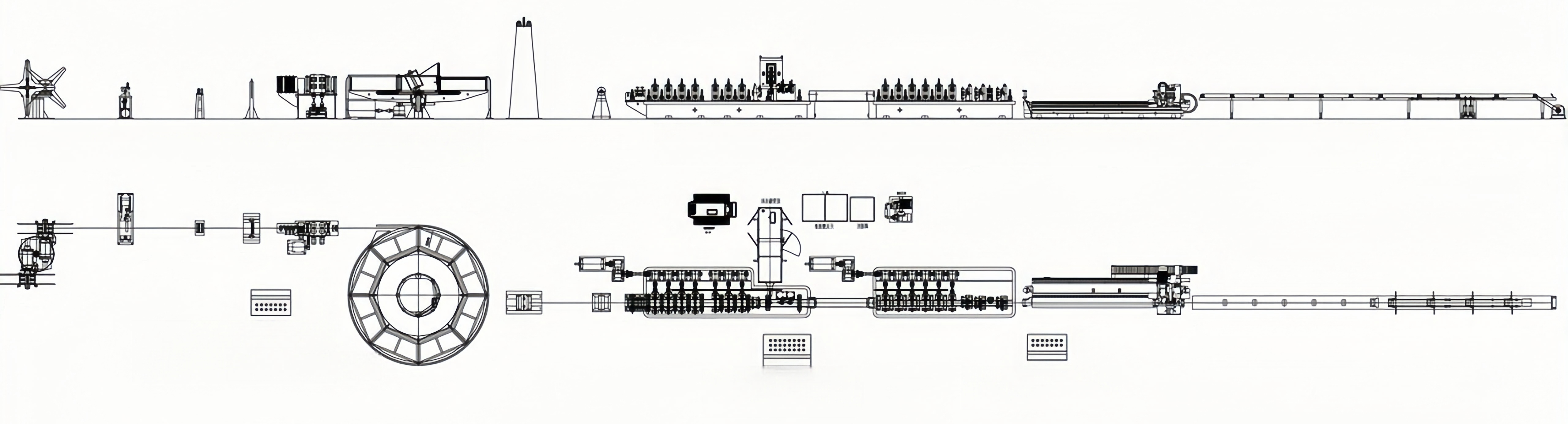
For overseas B2B buyers, quotation comparison should help answer one practical question: which proposal is more suitable for your real tube production plan? To answer that, buyers should compare technical scope first, then commercial details, and only after that judge the final price difference.
Why Price Alone Can Be Misleading
Two quotations may both say ERW tube mill, but still describe different machine structures, wall thickness limits, cutting systems, utility scope, or service arrangements. If the buyer compares only the total amount, important differences can be missed until installation or production starts.
1. Confirm Whether the Tube Specification Basis Is the Same
Before comparing price, make sure both suppliers are quoting against the same target:
- Tube shape
- Exact tube size
- Wall thickness
- Raw material
- Main product specification
If one supplier quoted based on a broader range and another quoted based on your actual main size, the offers are not directly comparable.
2. Compare What Equipment Is Actually Included
Ask both suppliers to clarify whether the quotation includes:
- Uncoiler
- Shearing and butt welding
- Accumulator
- Forming and sizing section
- HF welder
- Cutting section
- Run-out table
- Electrical system
- Hydraulic system
- Utility-related items
A cheaper quotation may simply exclude one or more sections.
3. Check Tooling Scope Carefully
Roll tooling can make a big difference in quotation value. Buyers should ask:
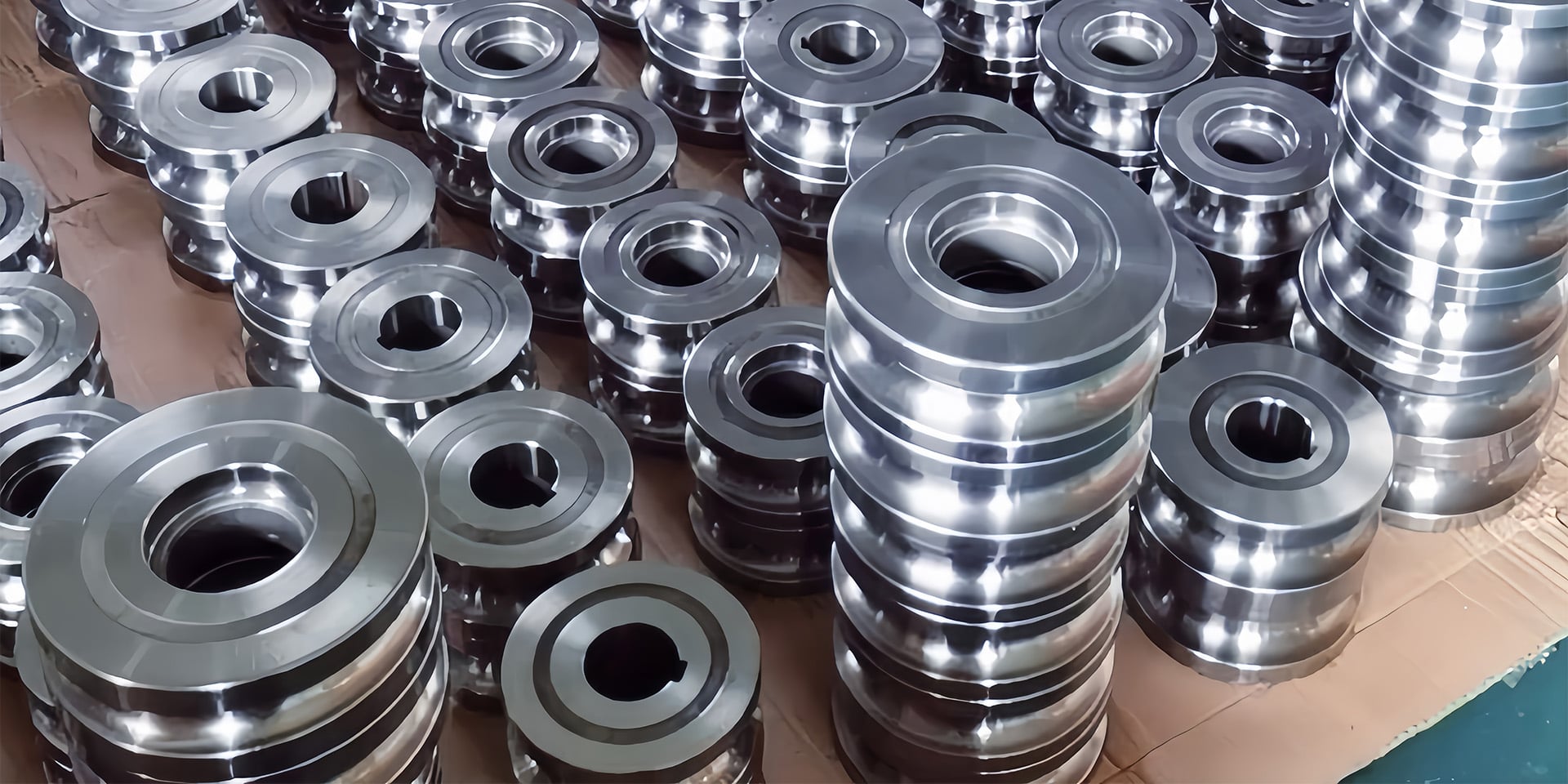
- How many sizes are covered in the tooling package
- Whether square and rectangular tooling is included
- Whether spare tooling or backup parts are included
- Whether tooling is based on the real size list or only a basic set
4. Review the Cutting System
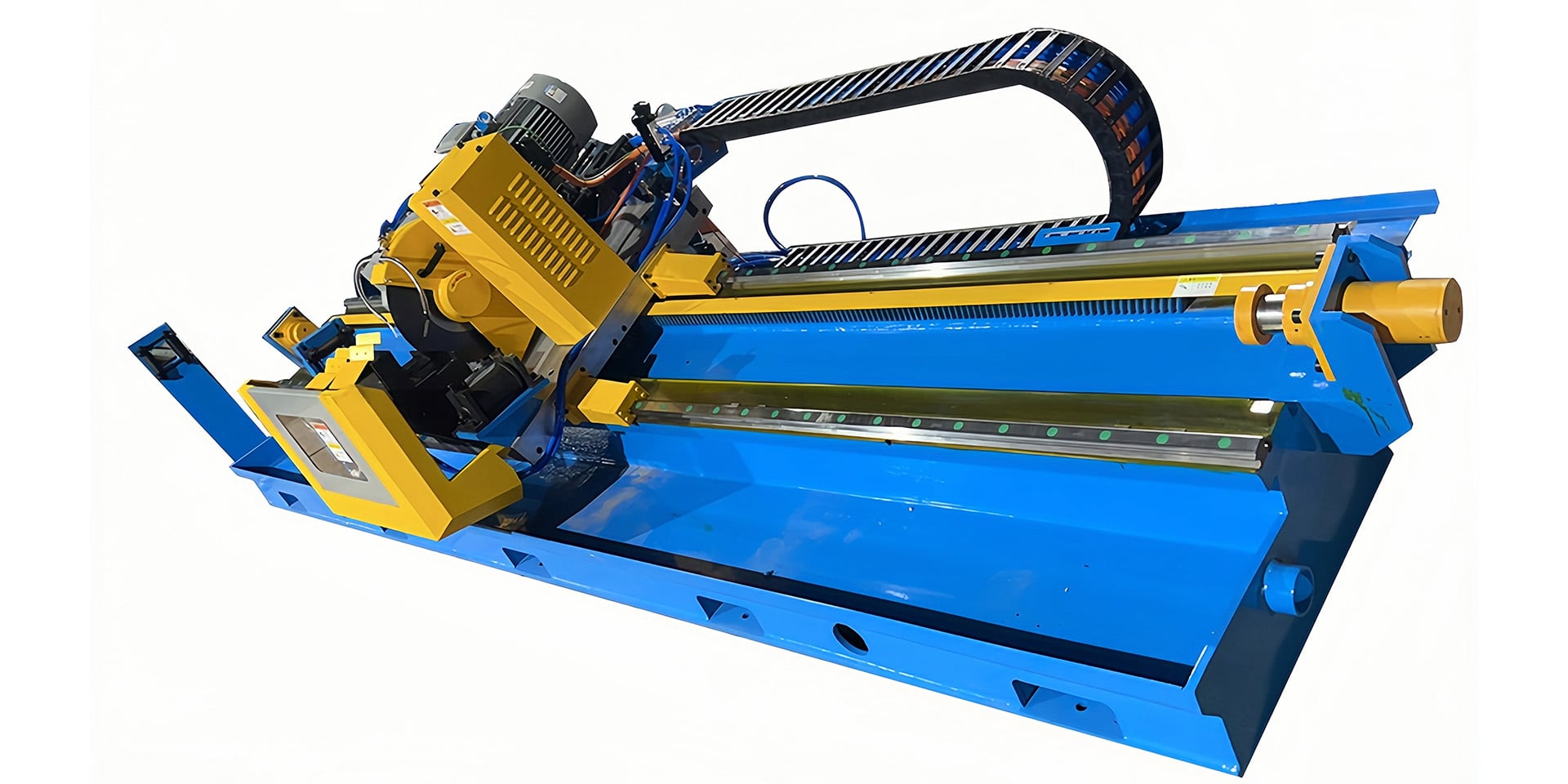
One quotation may include cold saw while another includes hot friction saw, or one may only quote the main mill body and leave the cutting decision open. The cutting system influences finished tube quality, maintenance cost, and total project value.
5. Ask About Installed Power and Utility Scope
Utility scope should also be compared. Ask whether the quotation includes or explains:
- Total installed power
- HF welder power
- Cooling water requirement
- Compressed air if needed
- Optional equipment utility load
A quotation that looks cheaper but omits important utility planning may cause more project cost later.
6. Compare Service Scope, Not Only Machine Scope
Buyers should check whether both suppliers provide the same level of support for:
- Installation guidance
- Operator training
- Remote technical support
- Spare parts support
- Problem-solving after commissioning
Service differences may not be obvious in the first quotation summary, but they matter greatly for overseas projects.
7. Ask What Is Not Included
Sometimes the fastest way to compare quotations is to ask each supplier what is excluded. This helps reveal differences in tooling, electrical scope, testing, packing, or optional equipment more quickly.
8. Compare Delivery Logic, Not Only Delivery Number
If one supplier promises a shorter delivery time, ask what that delivery actually includes. Does it cover tooling, auxiliary equipment, testing, and shipment preparation, or only the main machine body?
9. Use a Simple Buyer Comparison List
It is useful to compare quotations line by line under these headings:
- Tube specification basis
- Main machine scope
- Optional equipment
- Tooling package
- Cutting system
- Utility scope
- Service scope
- Delivery logic
- Commercial terms
10. Ask Questions Before Judging the Final Price
If two quotations look different, do not guess why. Ask the supplier to explain the difference clearly. A good supplier should help you understand what drives the price instead of only repeating that their offer is better.
Related Reading
- What Information Do You Need to Get an Accurate Tube Mill Quote?
- What Is Included in a Tube Mill Quotation? A Practical Checklist for Buyers
- What Affects Tube Mill Delivery Time and What Should Buyers Confirm Early?
- View Tube Mill Machines and Auxiliary Equipment
FAQ
Can I compare tube mill quotations only by total price?
No. You should first compare whether the technical scope, tooling scope, service scope, and delivery logic are really the same.
Why does tooling scope matter so much?
Because tooling affects how many sizes you can produce, whether square or rectangular production is included, and how practical the machine package is for your real production plan.
Should service support be included in quotation comparison?
Yes. Installation guidance, training, remote support, and spare parts response can change the real value of the project significantly.
What is the best way to compare two offers?
Use a structured list and compare specification basis, machine scope, utility scope, service scope, and delivery logic line by line.
CTA
If you are comparing two tube mill quotations, send your target tube specification and the two scope summaries. XFX can help you review the logic behind the quotation and suggest what questions you should confirm before ordering.
Recent Posts

October 26, 2016
The Most Successful Engineering ContractorJun 09, 2026
How to Reduce Scrap Rate in ERW Tube Mill ProductionRequest a Tube Mill Quote
Tube Mill Inquiry Information
Line Quantity
Unit
Set
Please send your tube shape, exact tube size, wall thickness, raw material, country, purchase time, WhatsApp or email, and company name. XFX will help check the suitable tube mill model and configuration for your production plan.