-
tel: +86-133 3812 3788
-
email: erwpipemill@gmail.com

EN
Common Mistakes Buyers Make Before Ordering a Tube Mill
May 18, 2026
Many tube mill buyers make the biggest mistakes before the machine is even ordered. These mistakes usually do not come from bad intention. They happen because the buyer moves too quickly on price, assumes a model range is enough, or postpones important technical confirmation until later. In a real project, these early mistakes can create delays, extra cost, or the wrong machine scope.
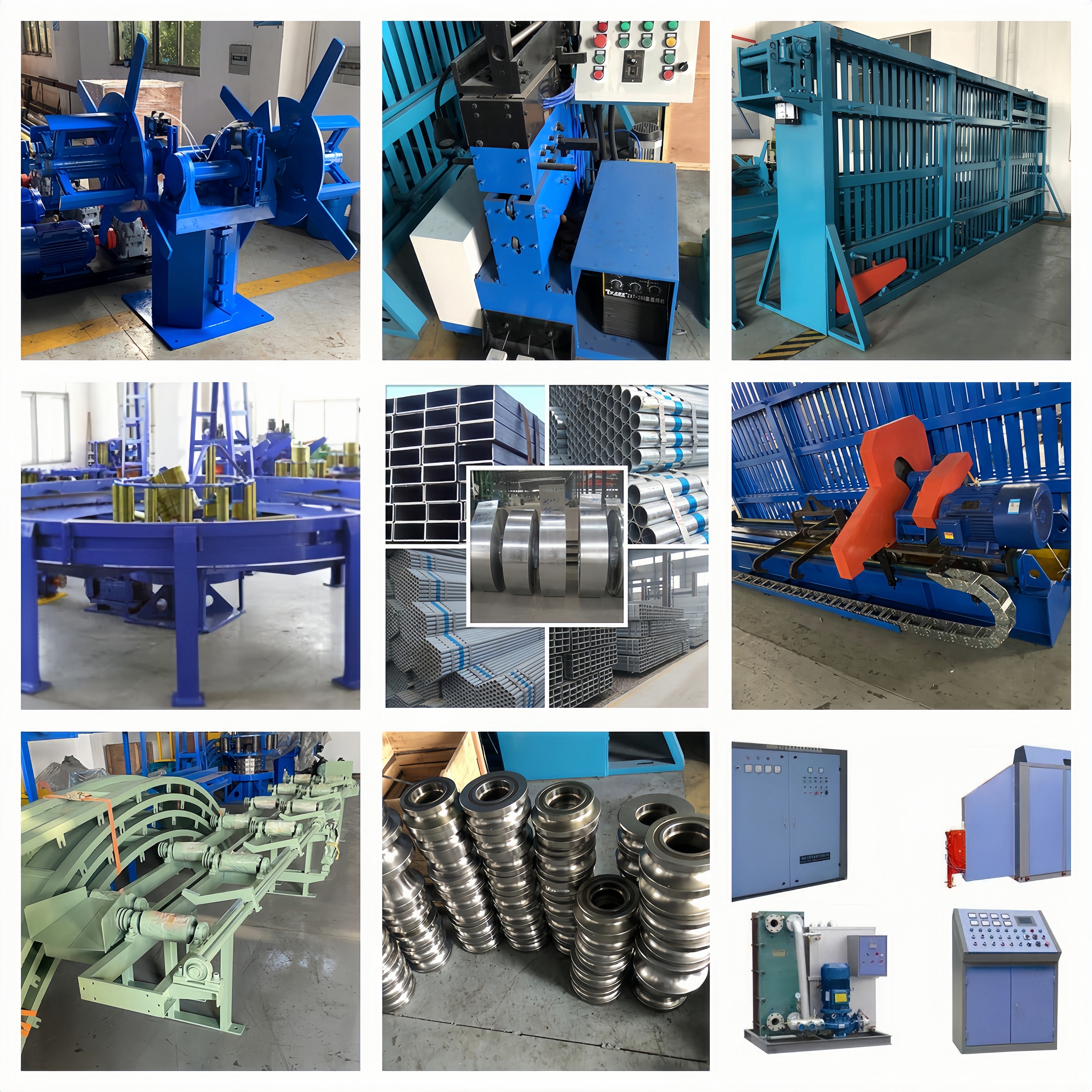
The good news is that most of these mistakes can be avoided if buyers slow down at the right stage and confirm the real production target more clearly. A better order decision usually comes from stronger preparation, not from faster commercial approval alone.
Why Early Mistakes Matter So Much
A tube mill project affects machine scope, tooling design, utility planning, installation, production stability, and after-sales support. If key points are misunderstood before ordering, the project may still proceed, but the buyer will face more difficulty later during execution.
1. Giving Only a General Size Range
One of the most common mistakes is to ask for a quotation using only a broad range such as 20-80mm or 0.8-3.0mm. This is not enough for a dependable recommendation. Buyers should provide the real tube shape, exact size, and matching wall thickness instead of only a range.
2. Comparing Price Before Scope
Another common mistake is to compare quotations by final price before checking machine scope, tooling scope, service support, cutting system, utility planning, and optional equipment. Lower price does not always mean better project value.
3. Assuming One Model Can Cover Everything
Buyers sometimes assume one machine can easily cover all requested sizes because the catalog range looks wide enough. In reality, the best model depends on the main product sizes, corresponding wall thickness, product mix, and future expansion plan.
4. Ignoring Tooling Scope
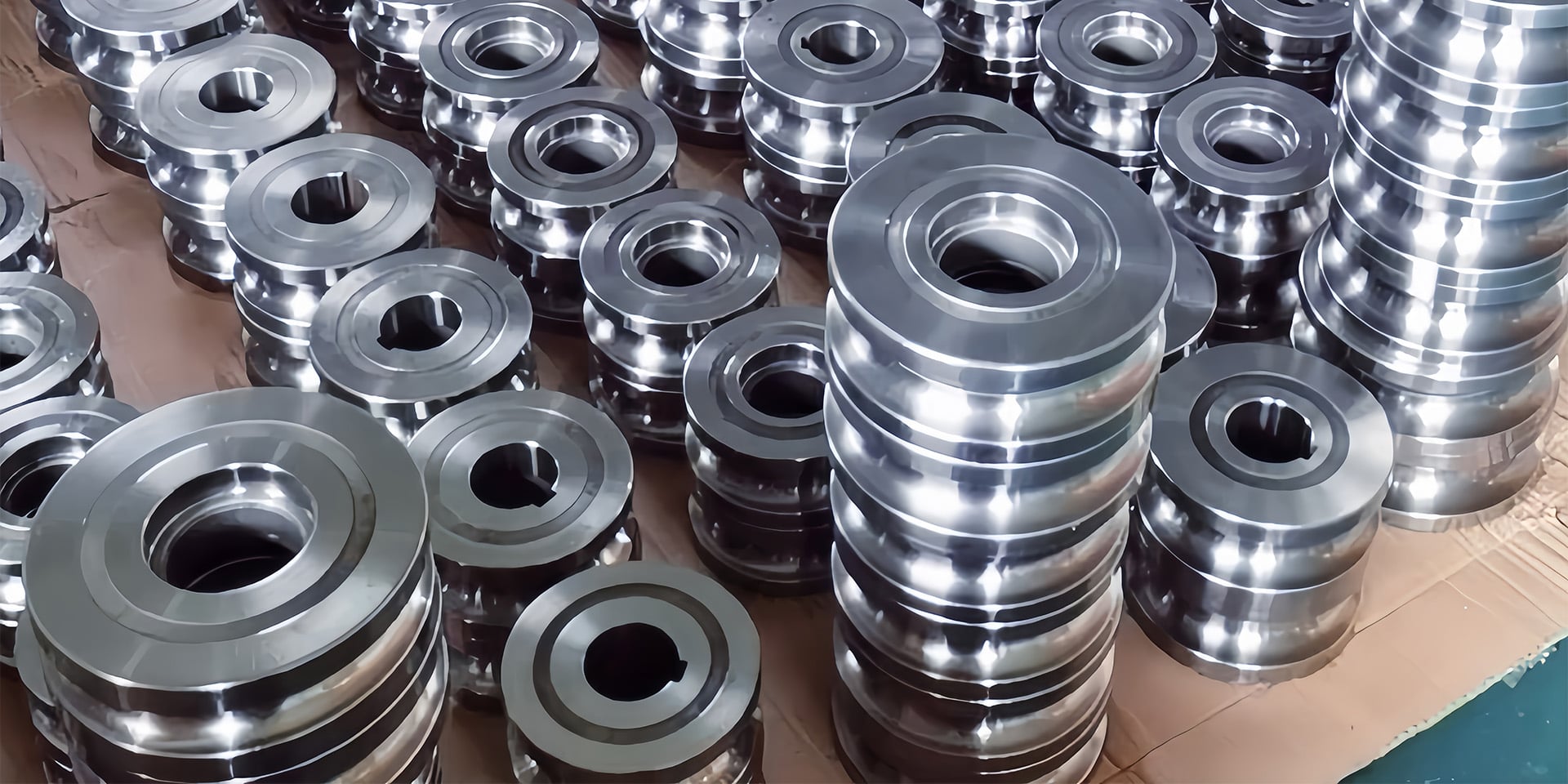
Tooling is often underestimated before ordering. Buyers should confirm which sizes are included, whether square and rectangular tooling is part of the package, and whether the tooling arrangement matches the actual product list.

5. Forgetting Utility and Workshop Conditions
Some buyers focus only on the machine and leave power, cooling water, cable routing, workshop layout, and raw material preparation for later. This can delay installation and commissioning even if the machine is delivered on time.
6. Not Clarifying Optional Equipment Early
Projects can become confusing if optional equipment is discussed too late. Buyers should decide early whether the project may need cold saw, hydraulic uncoiler, zinc spraying, slitting line, cut to length line, or automatic packing support.
7. Treating Service Support as a Secondary Topic
Installation, operator training, remote technical support, and spare parts response should not be treated as minor details. For overseas buyers, these points are a real part of project value and should be confirmed before the order is placed.
8. Approving Payment Terms Before Final Technical Alignment
Commercial progress should follow technical understanding, not replace it. Before confirming payment terms or issuing a PO, buyers should make sure the final machine scope, tooling, utility logic, and delivery expectation are already aligned.
9. Starting Production Planning Too Late
Buyers sometimes wait until delivery to think about workshop layout, operator readiness, strip material, and start-up plan. A smoother project begins planning these points much earlier.
10. Not Asking the Supplier Enough Practical Questions
A good supplier discussion should include real questions about size list, wall thickness, tooling, cutting, utility scope, workshop preparation, and service support. Buyers should not hesitate to ask these questions before ordering.
What Buyers Should Confirm Before Ordering
- Exact tube size list
- Wall thickness
- Raw material
- Main product mix
- Machine scope
- Tooling scope
- Optional equipment
- Utility condition
- Workshop readiness
- Service support
Related Reading
- What Information Do You Need to Get an Accurate Tube Mill Quote?
- How to Compare Two Tube Mill Quotations Before You Order
- How to Compare Two Tube Mill Suppliers Before You Choose One
- Contact XFX for Tube Mill Project Review
FAQ
What is the most common mistake before ordering a tube mill?
One of the most common mistakes is giving only a general size range instead of the real size and wall thickness combinations.
Why should buyers confirm tooling scope before ordering?
Because tooling directly affects what sizes and shapes can be produced practically after the machine is delivered.
Should utility and workshop preparation be discussed before the order is placed?
Yes. These points should be reviewed early so the project can move more smoothly into installation and production later.
Can better preparation reduce project risk?
Yes. Better early confirmation usually reduces misunderstanding, delay, and extra cost during execution.
CTA
If you are preparing to order a tube mill, send your exact tube size list, wall thickness, material, and expected project scope. XFX can help you review the key points before you finalize the order.
Recent Posts

October 26, 2016
The Most Successful Engineering ContractorJun 09, 2026
How to Reduce Scrap Rate in ERW Tube Mill ProductionRequest a Tube Mill Quote
Tube Mill Inquiry Information
Line Quantity
Unit
Set
Please send your tube shape, exact tube size, wall thickness, raw material, country, purchase time, WhatsApp or email, and company name. XFX will help check the suitable tube mill model and configuration for your production plan.