-
tel: +86-133 3812 3788
-
email: erwpipemill@gmail.com

EN
How Remote Technical Support and Spare Parts Response Affect Tube Mill After-Sales Service
May 18, 2026
Many overseas buyers worry less about the machine brochure and more about what happens after installation. A tube mill supplier should not only ship the equipment, but also provide practical after-sales support, including remote technical guidance, spare parts response, and troubleshooting assistance during real production.

For B2B buyers, after-sales service is part of project risk control. If the supplier cannot help when the line meets a welding issue, roll adjustment difficulty, cutting problem, or operator question, the factory may lose time and production opportunities. That is why remote support and spare parts planning should be discussed before ordering, not after a problem happens.
Why After-Sales Support Matters for Overseas Tube Mill Projects
In overseas projects, the buyer and supplier are often in different countries and time zones. The machine may be installed successfully, but production still needs follow-up support while the team becomes familiar with the line. Good after-sales service should help the buyer reduce delay, avoid repeated trial-and-error, and keep the project moving toward stable output.
1. Remote Technical Support Should Cover Real Production Questions
Remote support is useful when it helps the buyer solve practical issues such as:
- Tube size adjustment
- Welding stability review
- Roll setup and alignment questions
- Cutting length or end quality issues
- Operator routine checks
- Basic troubleshooting during commissioning and start-up
The goal is not only to answer messages, but to help the buyer restore stable production faster.
2. Spare Parts Support Should Be Clear from the Beginning
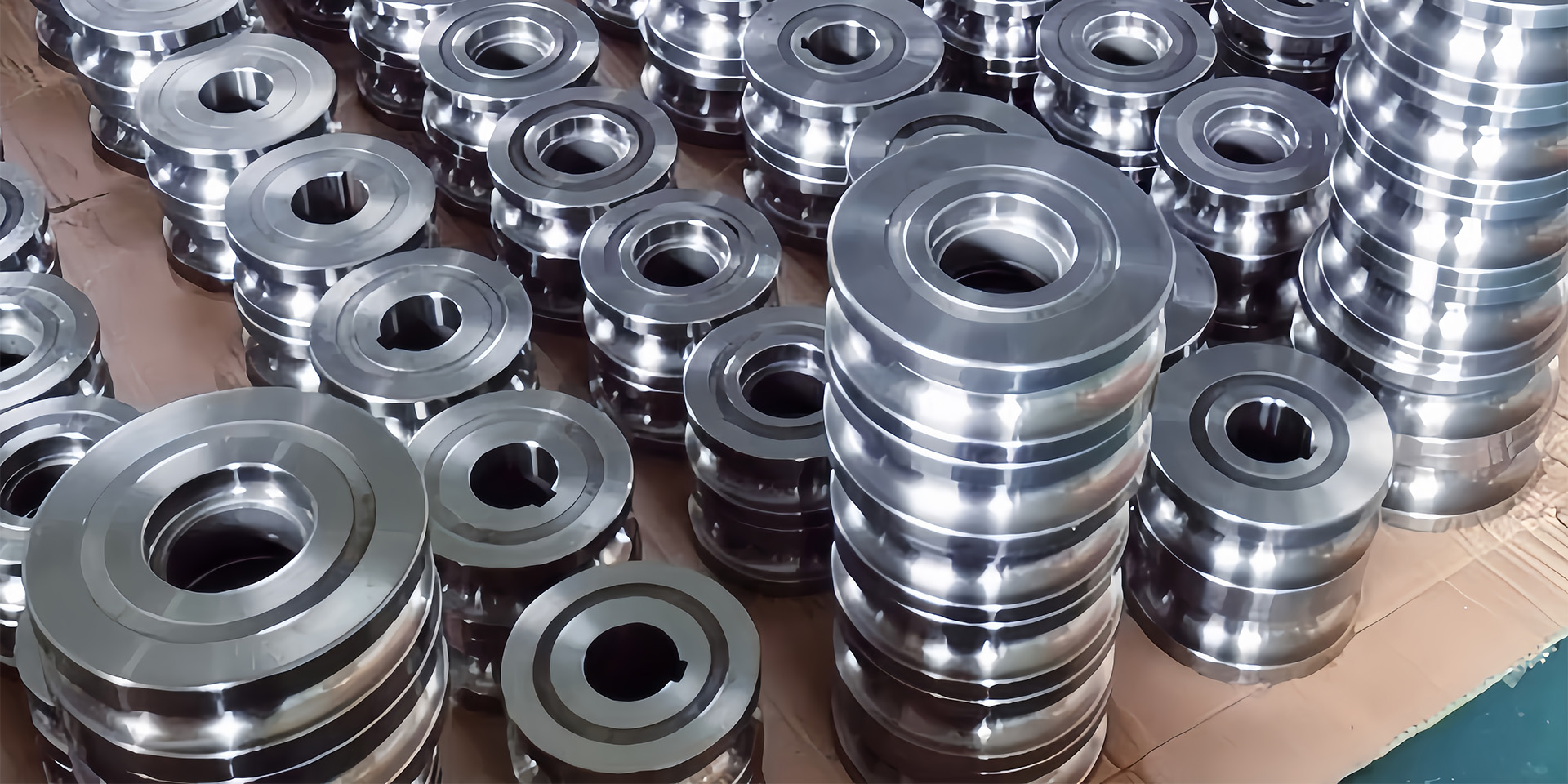
Many buyers ask whether spare parts are available, but a better question is how spare parts support will work in real operation. Buyers should confirm:
- Which start-up spare parts should be prepared early
- Which parts are routine consumables
- Which parts are critical for avoiding long downtime
- How the supplier identifies the correct replacement part
- How repeat orders are handled after commissioning
3. Installation and Training Should Connect with After-Sales Service
On-site installation and training are important, but after-sales support becomes more useful when the buyer's team already understands basic operation, lubrication, adjustment logic, and reporting methods. Good training makes remote communication easier later because both sides can describe the issue more clearly.
4. Ask What Kind of Problem-Solving Response You Can Expect
Before ordering, buyers should ask how the supplier usually supports the project if there is a problem after start-up. For example, can the supplier help with photos, videos, machine records, electrical checks, or operating data? A clear support process is more useful than a vague promise.

5. Good After-Sales Service Helps Reduce Wrong Decisions
When operators face a defect, they may think the machine model is wrong, but sometimes the issue is actually related to strip condition, welding setting, roll adjustment, or cutting coordination. Responsive support helps buyers avoid unnecessary downtime and wrong replacement decisions.
6. Support Is More Effective When the Buyer Shares Complete Information
If you want faster help, it is useful to share:
- Tube shape and exact size
- Wall thickness
- Material condition
- Current production problem
- Photos or videos if available
- Whether the issue is in forming, welding, sizing, or cutting
This helps the supplier respond more accurately.
7. After-Sales Service Is Part of Supplier Selection
When comparing tube mill suppliers, buyers should not judge only by quotation amount. The ability to provide installation, operator training, remote technical support, spare parts response, and long-term follow-up is a major part of project value.
Related Reading
- What Spare Parts Should You Prepare Before Tube Mill Start-Up?
- Tube Mill Installation and Operator Training: What Overseas Buyers Should Prepare
- How to Choose a Reliable ERW Tube Mill Supplier Before Ordering
- View Tube Mill Machines and Auxiliary Equipment
FAQ
Why is remote technical support important for tube mill buyers?
It helps the buyer solve production questions faster after installation, especially for overseas projects where the supplier is not always on site.
Should spare parts support be discussed before ordering?
Yes. Buyers should confirm start-up spare parts, routine consumables, and the reorder process before the machine begins regular production.
Can after-sales support reduce downtime?
Yes. Faster technical guidance and correct spare parts response can help the buyer reduce trial-and-error and restore production sooner.
What information helps the supplier give better after-sales support?
Clear tube specifications, material information, photos or video of the issue, and a basic description of where the problem happens in the line.
CTA
If you are planning a new tube mill project, send your tube specifications, required configuration, country, and service expectations. XFX can help you review the machine scope together with installation, remote technical support, and spare parts planning.

Recent Posts

October 26, 2016
The Most Successful Engineering Contractor
Jun 09, 2026
How to Reduce Scrap Rate in ERW Tube Mill Production

Request a Tube Mill Quote
Tube Mill Inquiry Information
Line Quantity
Unit
Set
Please send your tube shape, exact tube size, wall thickness, raw material, country, purchase time, WhatsApp or email, and company name. XFX will help check the suitable tube mill model and configuration for your production plan.