Specify each diameter.
List the exact outside diameter and its corresponding wall thickness, along with the tube material.
ERW TUBE MILL FORMING & SIZING
Plan tube mill rolls around the actual tubes you need to make. XFX can discuss tooling with a new ERW line, additional sizes for an existing line, or replacement rolls after reviewing the machine and tube specifications.
For every tube shape and exact size, include the matching wall thickness. A broad overall range is not enough to confirm tooling scope.
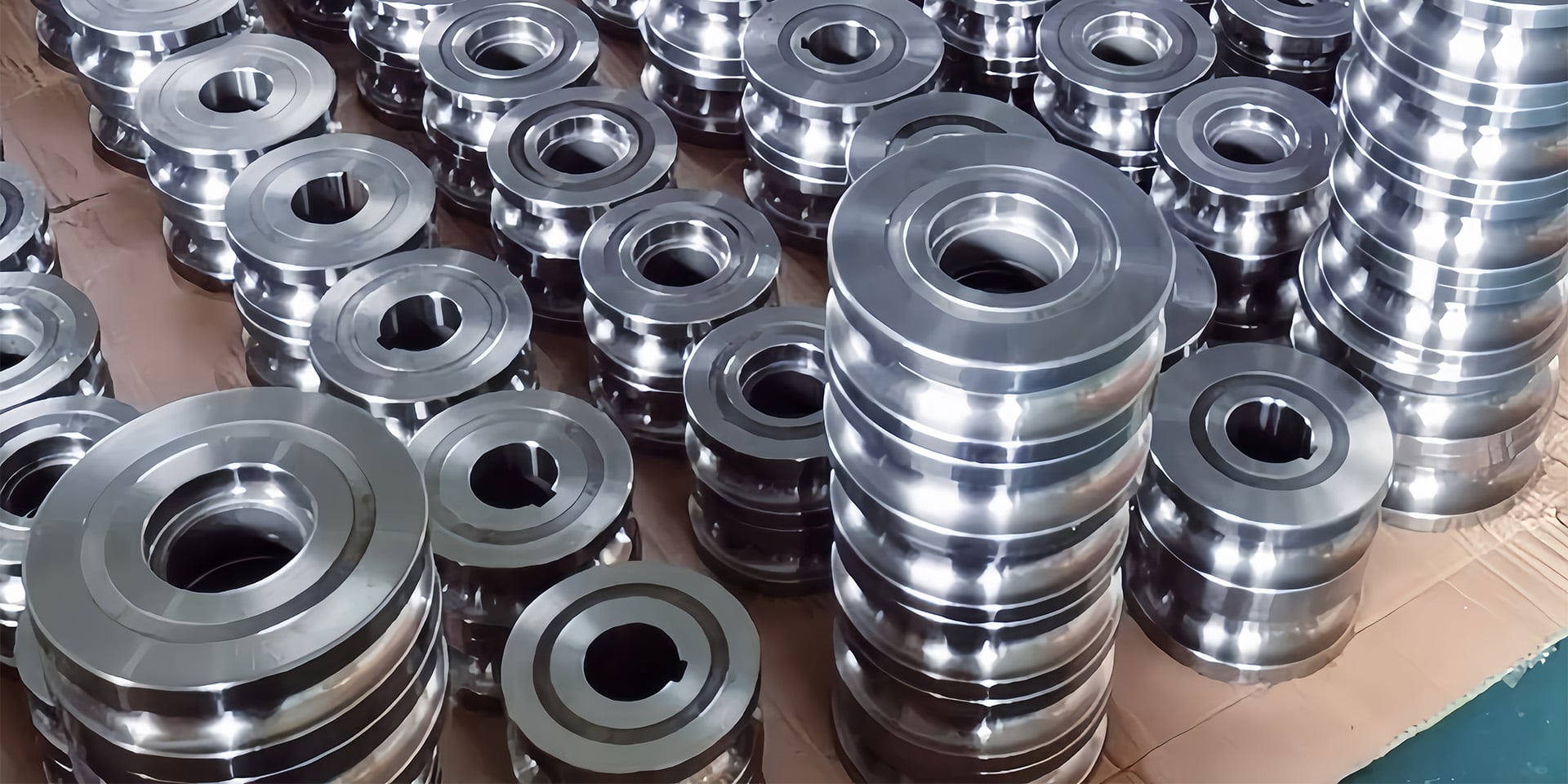
01 / THE ROLE OF ROLLS
Roll tooling works in the forming and sizing sections of an ERW tube mill. It is also described on the XFX site as tube mill rolls or roller molds. The tooling arrangement needs to match the intended tube shape, exact size, wall thickness, material and the machine's forming method.
Tooling is one part of a production line, not a complete ERW tube mill. Its scope should be discussed together with the machine and every planned size, including sizes you expect to add later.
02 / SOURCE-SUPPORTED TUBE SHAPES
The existing XFX roll-tooling page discusses all three shapes. Their tooling requirements must be reviewed against the actual production list; a shape name alone does not define a compatible roll set.
List the exact outside diameter and its corresponding wall thickness, along with the tube material.
List each side dimension with its matching wall thickness and the intended forming plan.
List the two section dimensions and the wall thickness for that exact product.
The page does not assume that the same rolls can produce all three shapes or every size. Final tooling coverage is confirmed from the machine and tube schedule.
03 / THE TOOLING PLAN
Send one entry for each planned tube product. Mark the sizes you expect to run most often and those you may run occasionally or add later.
For each product, provide tube shape, exact size, matching wall thickness and material. Note your main products so their tooling scope is discussed clearly.
List possible additional sizes separately. XFX can then identify what requires further tooling review or a separate quotation.
A single overall diameter or thickness range cannot replace a size-by-size list. This is a quotation-planning rule, not an automatic tooling recommendation.
04 / THREE BUYER SITUATIONS
You can start with partial information. The machine and tooling details required for manufacture are confirmed after review.
05 / EXISTING-LINE COMPATIBILITY
XFX can discuss tooling for an existing tube mill, including a line not newly supplied with this project. Roll manufacture still requires the machine and tooling interfaces to be checked.
Send the mill brand/model, machine photos and available stand, shaft or drive details.
Share roll photos, drawings, samples or dimensions where available. Tell us which tooling is worn, damaged or missing.
Describe the result you are seeing and provide tube photos if useful. Tooling condition and machine condition may both need review; a replacement roll alone is not promised as the fix.
Existing-line tooling compatibility and required dimensions must be reviewed before tooling manufacture is confirmed. A model name or tube size alone is insufficient.
06 / QUOTATION SCOPE
Clarify exactly which tube products, tooling and support the proposal covers.
These are buyer checks, not fixed inclusions or a fixed number of tooling sets. The proposal confirms the final supply scope.
08 / FACTORY & SUPPORT
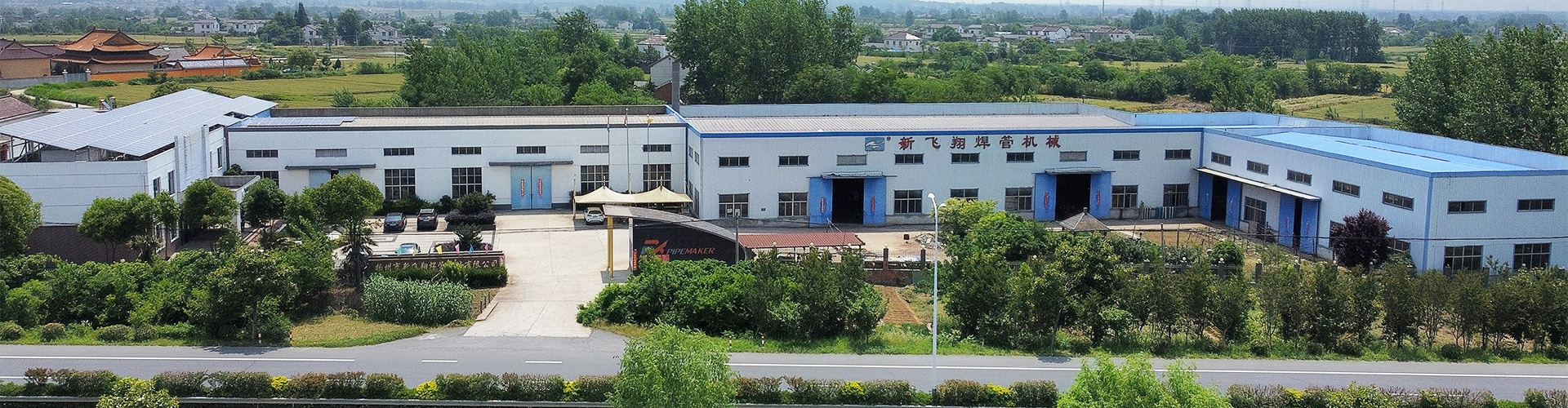
XFX has its own factory in China. We can review tube and machine information before tooling is confirmed and provide remote technical support, operation and maintenance documents where applicable, and spare-parts support. On-site support can be discussed as part of the overall project scope.
Tooling material, manufacturing process, technical limits, delivery and service arrangements are confirmed for the proposed project. No fixed tooling life or response time is assumed.
Contact XFX about tooling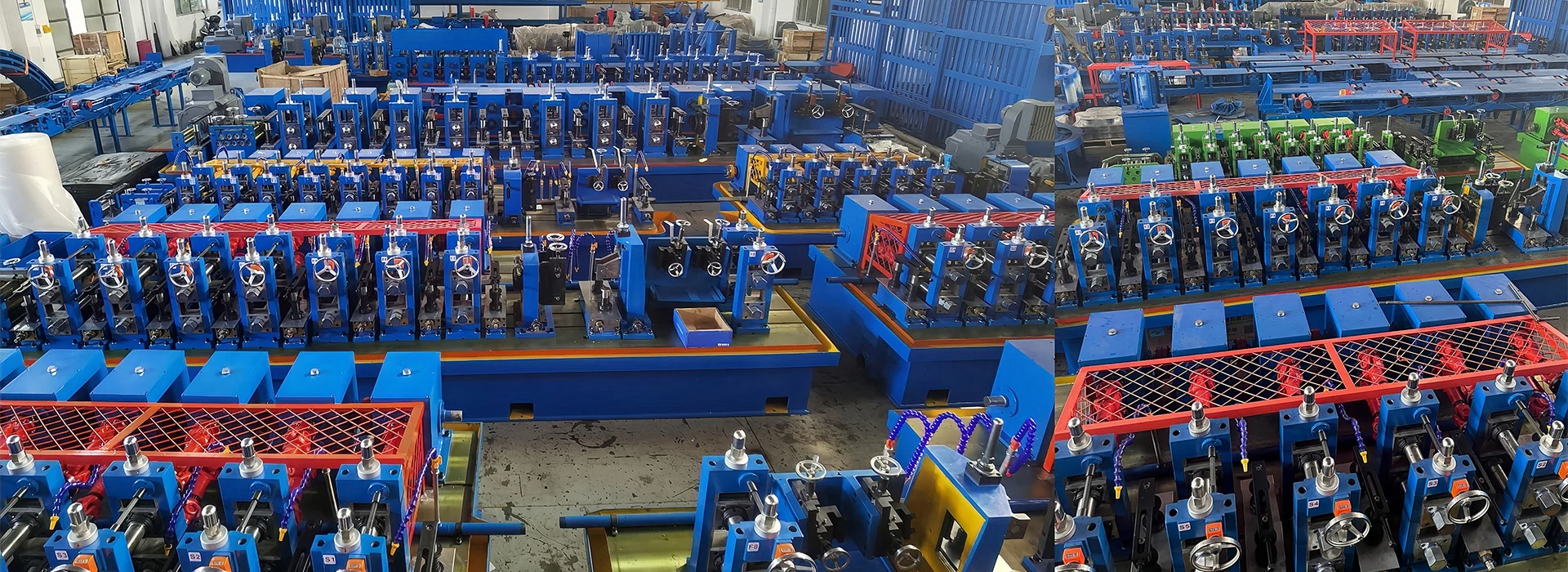
09 / BUYER QUESTIONS
Roll tooling works with the forming and sizing sections to shape the tube. XFX also uses the terms tube mill rolls and roller molds.
No universal set is assumed. The existing XFX page says rolls are designed around specific size ranges and forming requirements. Send each shape and exact size with its matching wall thickness so coverage can be reviewed.
Yes. Send the machine brand and model, photos, target tube list, and existing tooling drawings or samples where available. Compatibility and required dimensions must be checked before manufacture is confirmed.
Send photos of the rolls and machine, available samples or dimensions, your tube specifications and a description of the issue. XFX can identify what further data is needed; replacing rolls alone is not guaranteed to solve a production problem.
The XFX source discusses tooling for all three shapes, but actual line and tooling coverage must be reviewed against the machine, forming method and exact tube list. Do not assume every shape or size is included.
It should identify the exact tube products and tooling scope, what sizes are included, any separately quoted additions, and the relevant documents, packaging and support.
10 / DISCUSS YOUR ROLL TOOLING
For every planned product, provide shape, exact size and matching wall thickness. If the rolls are for an existing line, add machine and tooling photos or drawings where available. Partial information is welcome.
View the Contact pageSEND AN INQUIRY
Use the message field to list tube sizes with corresponding thicknesses and describe whether you need new, additional or replacement rolls.