-
tel: +86-133 3812 3788
-
email: erwpipemill@gmail.com

EN
ERW Tube Mill Weld Seam Quality: What Buyers Should Check Before Ordering
Jun 06, 2026
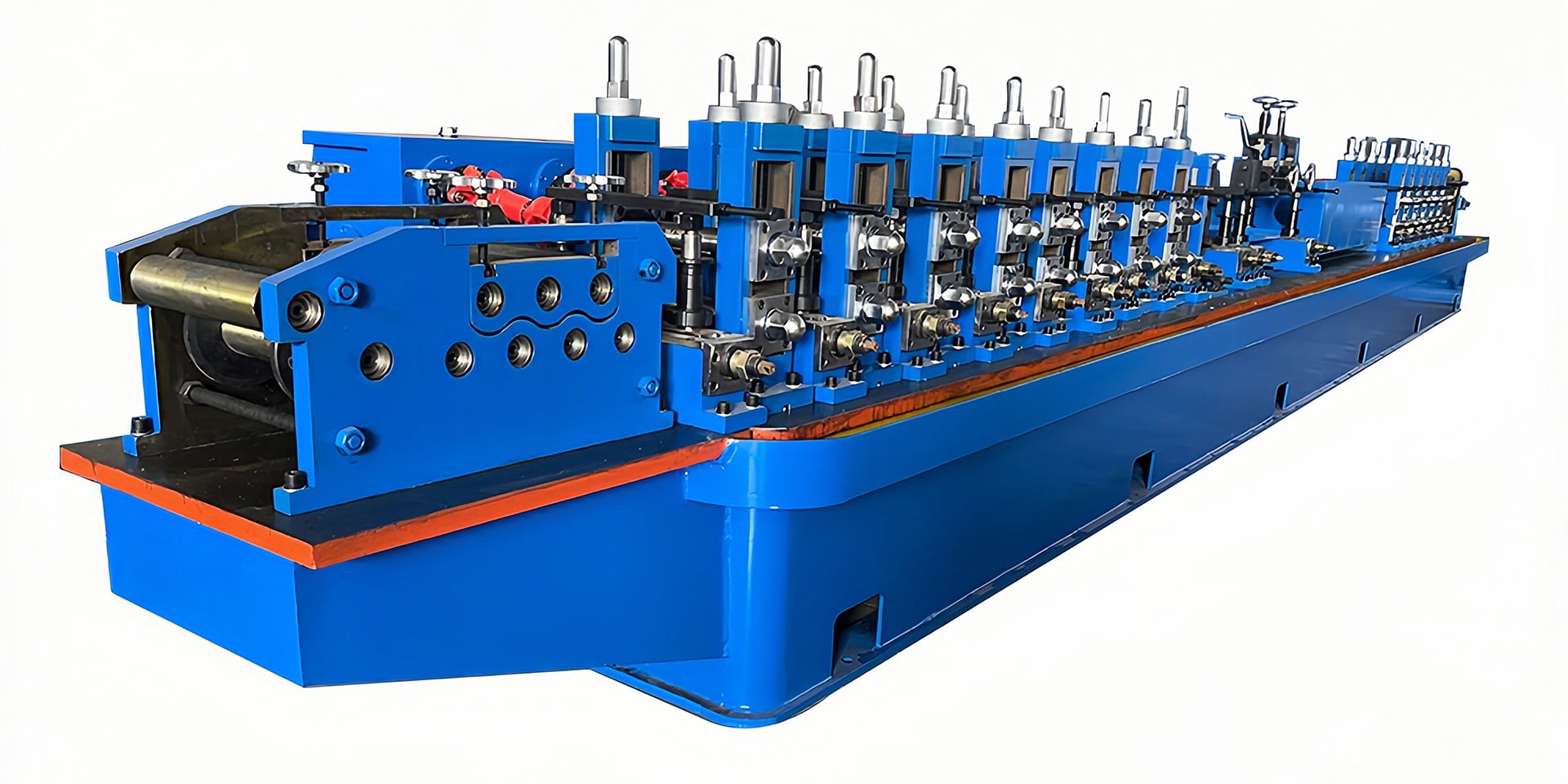
For many ERW tube mill buyers, weld seam quality is one of the biggest concerns before placing an order. A tube mill is not only expected to form steel strip into tube shape. It must also support stable edge preparation, high frequency welding, squeeze roll adjustment, cooling, sizing, and cutting so the finished tube can meet the buyer's production requirement.
Weld seam problems can come from many places. Sometimes the issue is not only the HF welder. It may also be related to strip quality, forming adjustment, weld seam position, squeeze roll pressure, cooling, operator skill, or the selected machine model. This is why XFX always recommends checking the complete tube mill line instead of looking at one section alone.
Why Weld Seam Quality Matters to Tube Mill Buyers
The weld seam is a key quality point for round tube, square tube, rectangular tube, galvanized pipe, furniture tube, construction pipe, and industrial steel tube. If the weld seam is unstable, the buyer may face higher scrap rate, more machine adjustment time, customer complaints, or extra repair work.
For overseas B2B buyers, stable weld seam quality also affects the real cost of production. A lower machine price is not useful if the production line is difficult to adjust or cannot keep consistent output.
1. Forming Accuracy Before Welding
Before HF welding, the steel strip must be formed into a suitable open tube shape. If the forming section is not adjusted well, the strip edges may not meet correctly at the welding point. This can affect weld seam stability and final tube appearance.
Buyers should check whether the tube mill model and roll tooling are suitable for the real tube size and wall thickness. A broad range such as 20-80mm and 0.8-3.0mm is not enough for accurate review. Specific examples are more useful, such as round tube Φ25mm x 1.2mm or square tube 40x40mm x 1.5mm.
2. HF Welder Power and Configuration
The HF welder provides the heating energy for the weld seam. The required welder power depends on tube size, wall thickness, material, line speed, and production target. Buyers should not choose HF welder power only by guessing or by copying another project.
XFX can help review the HF welder configuration together with the tube mill model, forming section, squeeze rolls, cooling, and sizing section. This helps avoid underpowered or unsuitable configurations.
3. Squeeze Roll Adjustment
The squeeze roll area is important because it helps press the heated strip edges together. If the pressure, position, or alignment is not suitable, the weld seam may become weak, uneven, or difficult to control.
For buyers, this means installation, commissioning, and operator training are important parts of the project. A tube mill should not be evaluated only by machine photos. The supplier's technical support and adjustment experience also matter.
4. Strip Material and Edge Condition
Raw material affects weld quality. Strip width, edge condition, material grade, coil quality, and slitting accuracy can all influence welding stability. If the strip edge is poor, even a good tube mill may need more adjustment.
When asking for a quotation, buyers should tell the supplier the raw material type and expected tube use. If a slitting line is part of the project, the slitting width and coil preparation should also be reviewed.
5. Cooling, Sizing, and Final Tube Shape
After welding, the tube needs proper cooling and sizing. The sizing section helps control final tube dimension, roundness, straightness, and shape stability. For square and rectangular tubes, sizing and shaping are especially important.
If the sizing section is not suitable, the tube may have dimension variation even when the weld seam itself is acceptable. This is another reason model selection should be based on exact tube size and wall thickness.
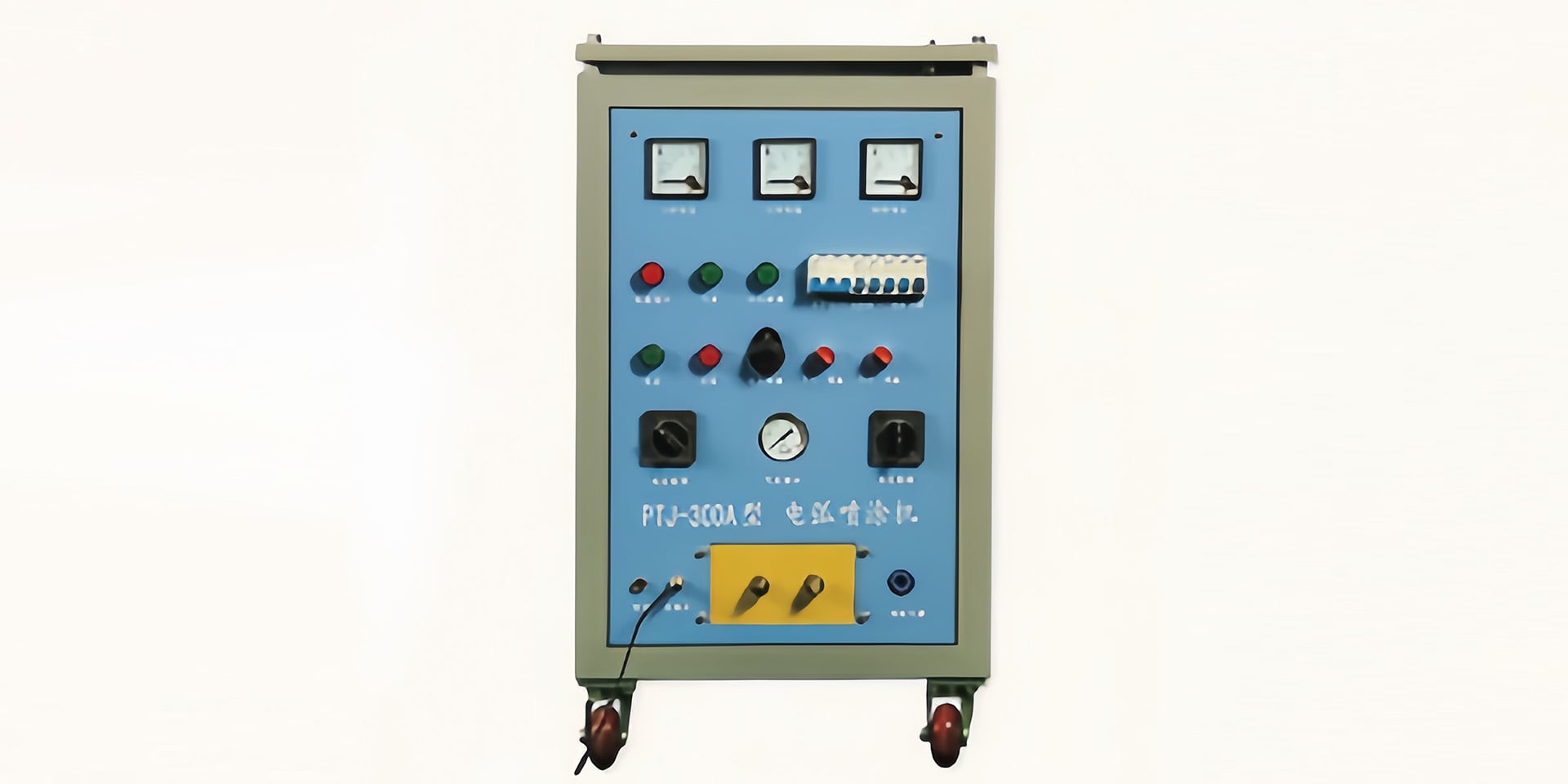
6. Zinc Spraying for GI Pipe Weld Seam
For galvanized pipe production, the weld seam area may need zinc spraying after welding and scarfing, depending on the buyer's product requirement. Zinc spraying is not required for every tube mill project, but it can be important for GI pipe weld seam protection.
Buyers should confirm whether their finished pipe standard or target market requires weld seam protection. XFX can help review whether a zinc spraying machine should be included as optional equipment.

Common Weld Seam Problems Buyers Ask About
- Weld seam is not stable during continuous production
- Tube edge alignment is difficult before welding
- Square tube corners or final dimensions are not stable
- HF welder power selection is unclear
- Operator needs too much time for daily adjustment
- Buyer is not sure whether zinc spraying is needed for GI pipe
What to Send Before Asking XFX for a Recommendation
To help review weld seam quality requirements and machine configuration, please send:
- Tube shape: round, square, or rectangular
- Exact tube size and corresponding wall thickness
- Raw material type and steel grade if available
- Whether the tube is black pipe, GI pipe, furniture tube, construction pipe, or industrial pipe
- Expected production speed or output target if available
- Country and expected purchase time
FAQ
Is weld seam quality only decided by the HF welder?
No. HF welder configuration is important, but forming accuracy, squeeze roll adjustment, raw material, cooling, sizing, and operator training also affect weld seam quality.
Can XFX recommend HF welder power without tube details?
Only a rough reference is possible. For practical recommendation, XFX needs tube size, wall thickness, material, and production requirement.
Does every GI pipe tube mill need a zinc spraying machine?
Not every project needs it. It depends on finished pipe requirement, weld seam protection target, and market standard. Buyers should confirm this before quotation.
Why does XFX ask for exact tube sizes instead of only a range?
Because model selection, tooling scope, HF welding, sizing, and cutting configuration depend on real tube size and wall thickness, not only a broad range.
Need help checking your weld seam quality requirement?
Send your tube shape, exact tube size, wall thickness, raw material, and target pipe use. XFX will help review the suitable ERW tube mill model, HF welder configuration, and optional zinc spraying requirement.
Related pages: High Frequency Tube Mills, HF Welder for Tube Mill, Zinc Spraying Machine, and HF Welder Power Selection Guide.
Recent Posts

October 26, 2016
The Most Successful Engineering ContractorJun 09, 2026
How to Reduce Scrap Rate in ERW Tube Mill ProductionRequest a Tube Mill Quote
Tube Mill Inquiry Information
Line Quantity
Unit
Set
Please send your tube shape, exact tube size, wall thickness, raw material, country, purchase time, WhatsApp or email, and company name. XFX will help check the suitable tube mill model and configuration for your production plan.