-
tel: +86-133 3812 3788
-
email: erwpipemill@gmail.com

EN
How to Reduce Scrap Rate in ERW Tube Mill Production
Jun 09, 2026
Scrap rate is one of the hidden costs in ERW tube mill production. A tube mill may look economical at the quotation stage, but if the line is difficult to adjust or produces too much waste, the buyer pays more through material loss, downtime, rework, and unstable delivery.
Reducing scrap rate is not only about buying one single machine. It depends on correct model selection, suitable roll tooling, stable strip preparation, proper forming adjustment, high frequency welding setup, sizing control, cutting quality, operator training, and long-term maintenance.
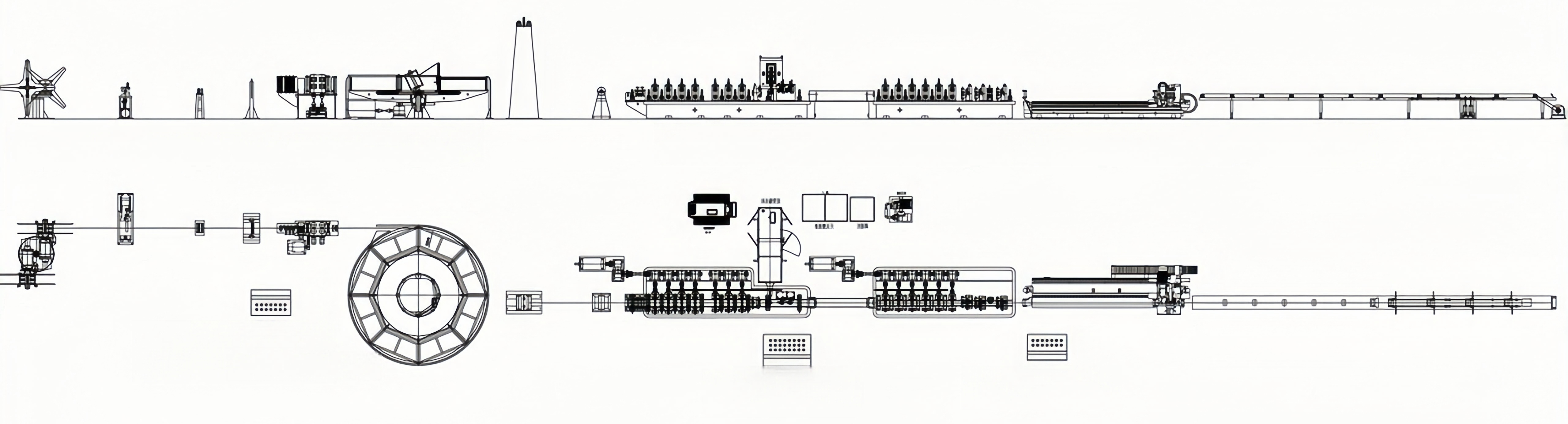
1. Start with Accurate Tube Size and Wall Thickness
Many production problems begin before the machine is ordered. If the selected tube mill model is not suitable for the real tube size and wall thickness, operators may struggle with forming, welding, sizing, and cutting from the first production day.
Do not only send a broad range such as 20-80mm and 0.8-3.0mm. For accurate model checking, prepare specific examples such as round tube Φ25mm x 1.2mm, square tube 40x40mm x 1.5mm, or rectangular tube 40x60mm x 2.0mm.
2. Check Raw Material and Strip Preparation
Steel strip quality affects tube mill stability. Strip width, edge condition, coil quality, material consistency, and slitting accuracy can all influence forming and welding. If the strip edge is poor, the welding point may become unstable even when the tube mill is correctly designed.
If your factory uses a slitting line before the tube mill, confirm the slitting width tolerance and coil preparation process. Stable strip preparation helps reduce adjustment time and material waste.
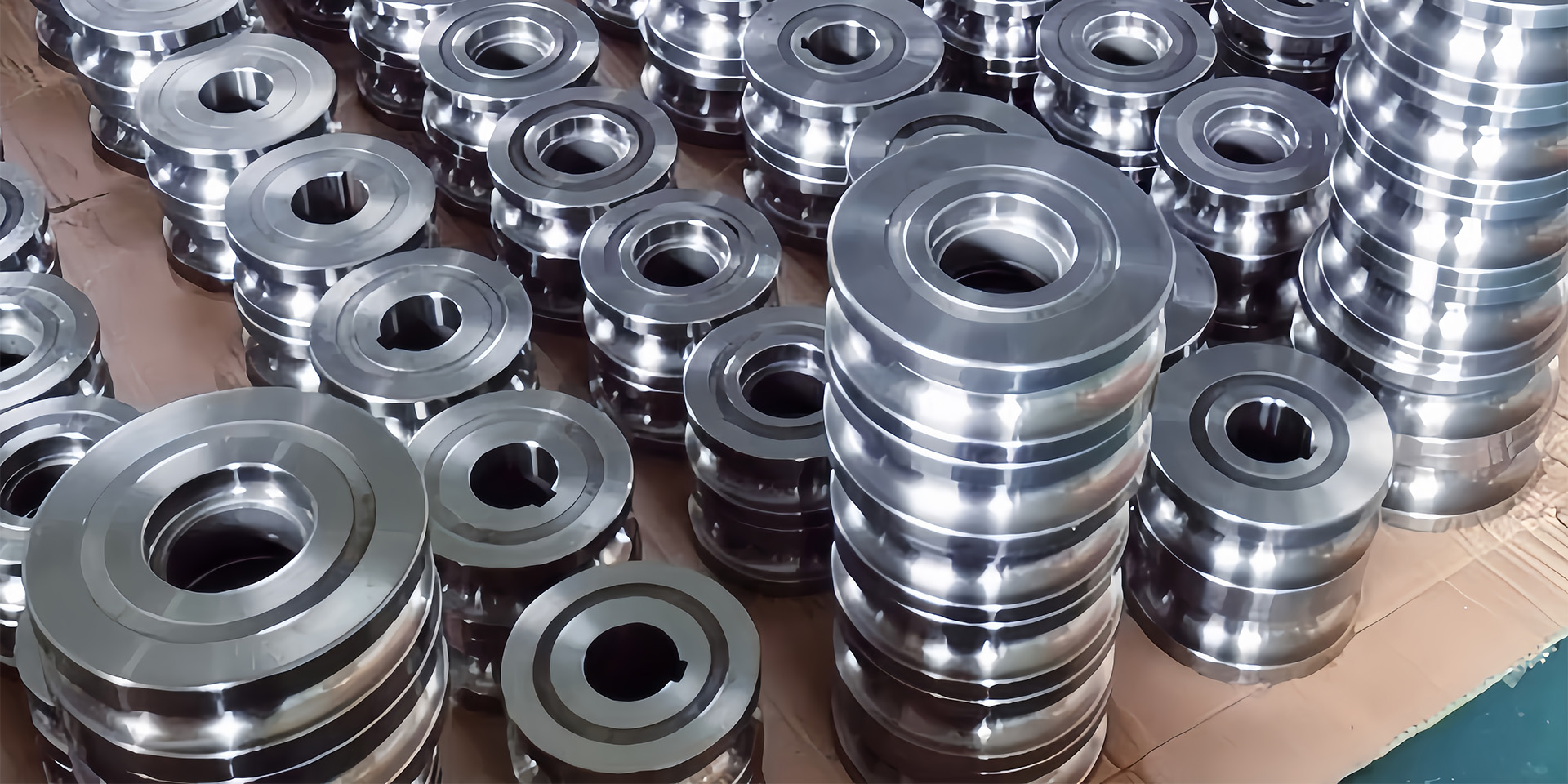
3. Use Suitable Roll Tooling for Main Sizes
Roll tooling affects how the strip is formed before welding and how the tube is sized after welding. If tooling is not suitable for the tube size, wall thickness, and shape, the operator may need more trial adjustment, and the scrap rate may increase during size changeover.
For projects with round, square, and rectangular tubes, the tooling plan should be reviewed together with the tube size list. The goal is not only to buy tooling, but to make daily production easier and more stable.
4. Keep Forming and Welding Adjustment Stable
In ERW tube production, forming accuracy before welding is important. If strip edges do not meet correctly at the welding point, weld seam quality may become unstable. This can lead to rejected tubes, rework, or downtime.
HF welder power and squeeze roll adjustment should match tube size, wall thickness, material, and line speed. Buyers should confirm that the machine supplier can support installation, commissioning, and operator training, not only supply equipment.
5. Control Cooling, Sizing, and Final Tube Shape
After welding, the tube needs proper cooling and sizing. The sizing section helps control final dimension, roundness, straightness, and shape stability. For square and rectangular tubes, sizing and shaping are especially important.
If sizing is unstable, the weld seam may be acceptable but the finished tube can still fail the buyer's dimensional requirement. This is why the entire line configuration should be reviewed, not one section alone.
6. Choose the Right Cutting System
Cutting quality also affects scrap rate. A cutting saw that does not match tube size, wall thickness, and production speed can create poor pipe ends, extra burrs, inaccurate length, or more maintenance work.
Cold saw cutting is often selected when buyers care more about cutting quality and pipe end finish. Hot friction saw may be suitable for some projects where cutting speed and cost are the main focus. The final choice depends on product requirement and budget.

7. Train Operators Before Full Production
Even a good tube mill needs trained operators. Operators should understand roll adjustment, welding observation, sizing control, cutting system operation, lubrication, inspection points, and basic troubleshooting.
For overseas buyers, installation guidance, on-site training, remote technical support, and spare parts support can reduce the risk of long downtime during the first months of production.
8. Prepare Spare Parts and Maintenance Plan
Scrap rate can increase when worn parts are not replaced in time. Bearings, saw blades, induction coils, magnetic bars, burr scraping knives, shafts, and other consumables should be checked according to the real machine configuration.
A simple spare parts plan helps the buyer avoid emergency downtime and keeps production more stable.
Buyer Checklist for Lower Scrap Rate
- Confirm exact tube size and wall thickness before ordering
- Check raw material and strip edge condition
- Match roll tooling with main production sizes
- Confirm HF welder power and squeeze roll setup
- Check sizing and shaping requirements for square and rectangular tubes
- Select a suitable cutting system
- Arrange installation, training, and remote support
- Prepare important spare parts and consumables
FAQ
Can a better tube mill reduce scrap rate?
A suitable and well-configured tube mill can help reduce scrap rate, but production stability also depends on raw material, tooling, adjustment, operator skill, and maintenance.
What information should I provide before ordering?
Please send tube shape, exact tube size, wall thickness, raw material, main production sizes, country, purchase time, WhatsApp or email, and company name.
Does roll tooling affect scrap rate?
Yes. Roll tooling affects forming stability, size changeover, welding preparation, and final tube shape. Poor tooling selection can increase adjustment time and waste.
Is cold saw cutting always required?
No. Cold saw cutting is useful when pipe end quality and length accuracy are important. Hot friction saw may still be suitable for some projects. The choice depends on product requirement and budget.
Request a Tube Mill Production Review
If your goal is stable production with lower waste, send your tube size list and production requirement to XFX Tube Mill Machinery. We can help review model selection, tooling scope, HF welder, cutting system, optional equipment, installation training, and spare parts support.
Related pages: High Frequency Tube Mills, Roll Tooling / Roller / Molds, Cutting Saw for Tube Mill, Tube Mill Model Selection Guide, Contact XFX.

Recent Posts

October 26, 2016
The Most Successful Engineering Contractor


Request a Tube Mill Quote
Tube Mill Inquiry Information
Line Quantity
Unit
Set
Please send your tube shape, exact tube size, wall thickness, raw material, country, purchase time, WhatsApp or email, and company name. XFX will help check the suitable tube mill model and configuration for your production plan.