-
tel: +86-133 3812 3788
-
email: erwpipemill@gmail.com

EN
How to Compare Two Tube Mill Suppliers Before You Choose One
May 18, 2026
Many buyers compare two tube mill suppliers by brochure style, quotation amount, or how quickly they reply. These points matter, but they are not enough. A stronger supplier comparison should focus on whether the supplier can support your real tube production target with suitable machine scope, practical engineering, reliable service, and long-term follow-up.
For overseas B2B buyers, choosing the wrong supplier can create more cost later even if the first quotation looks attractive. A good comparison should help you understand not only who offers a machine, but who is more likely to support a stable project from specification review to installation, training, and after-sales service.
Why Supplier Comparison Matters
Tube mill projects are not simple catalog purchases. Buyers often need support in model selection, tooling scope, utility planning, operator preparation, and commissioning. The right supplier should help reduce project uncertainty instead of adding more guessing.
1. Check Whether Both Suppliers Understand Your Real Tube Specification
Before judging the supplier, ask whether they are quoting from the same technical basis:
- Tube shape
- Exact tube size
- Wall thickness
- Raw material
- Main product specification
If one supplier only responds with a general machine range while another asks for the real size and thickness combination, that difference already tells you something about how they handle projects.
2. Compare Technical Logic, Not Only Product Names
Two suppliers may both say they offer ERW tube mills, but their technical logic can still be very different. Check whether they explain:
- Why the proposed model is suitable
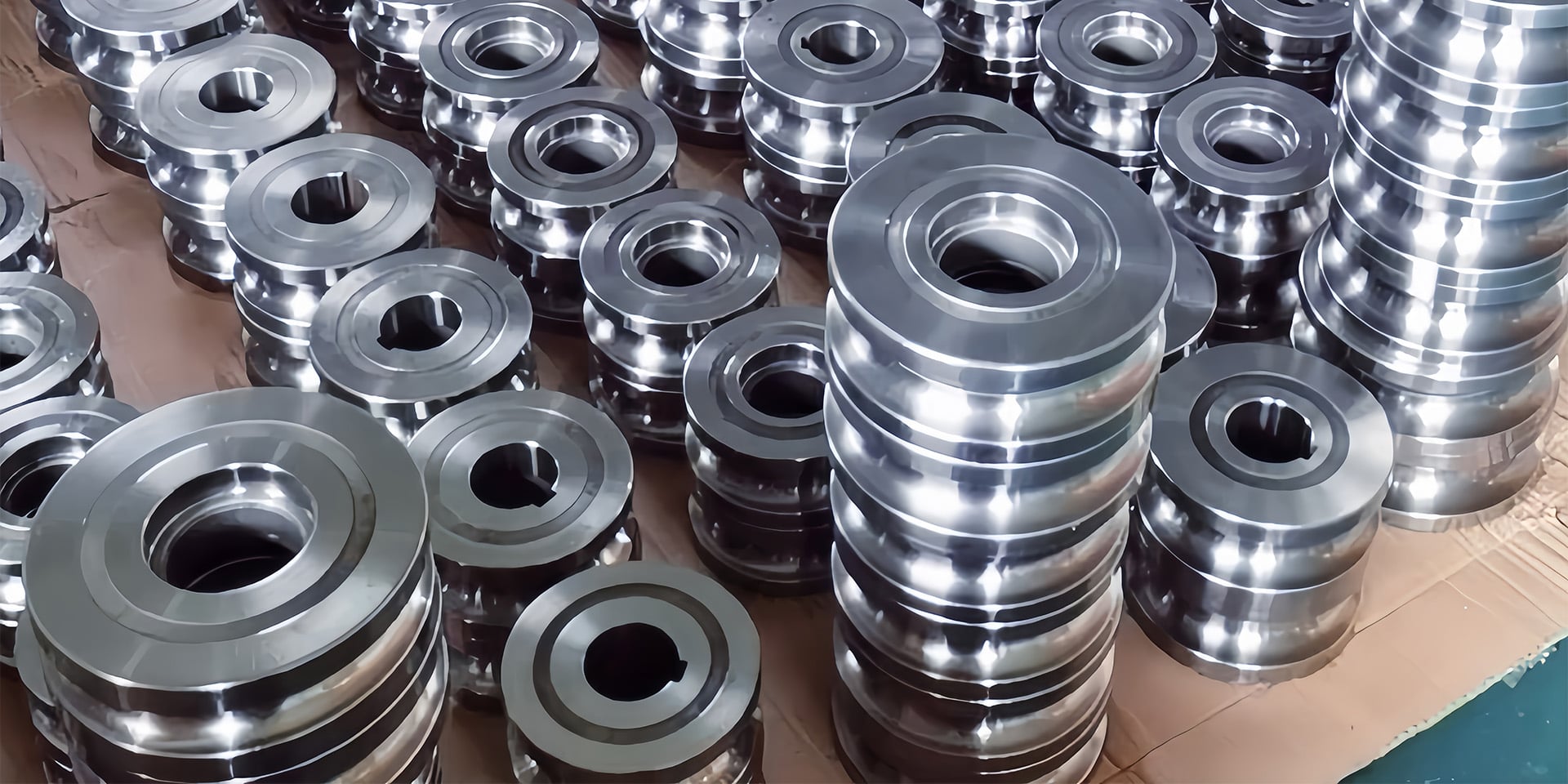
- What thickness limit is realistic
- What tooling scope is included
- How round, square, and rectangular production is handled
- What optional equipment is recommended
3. Ask Who Controls Design and Production
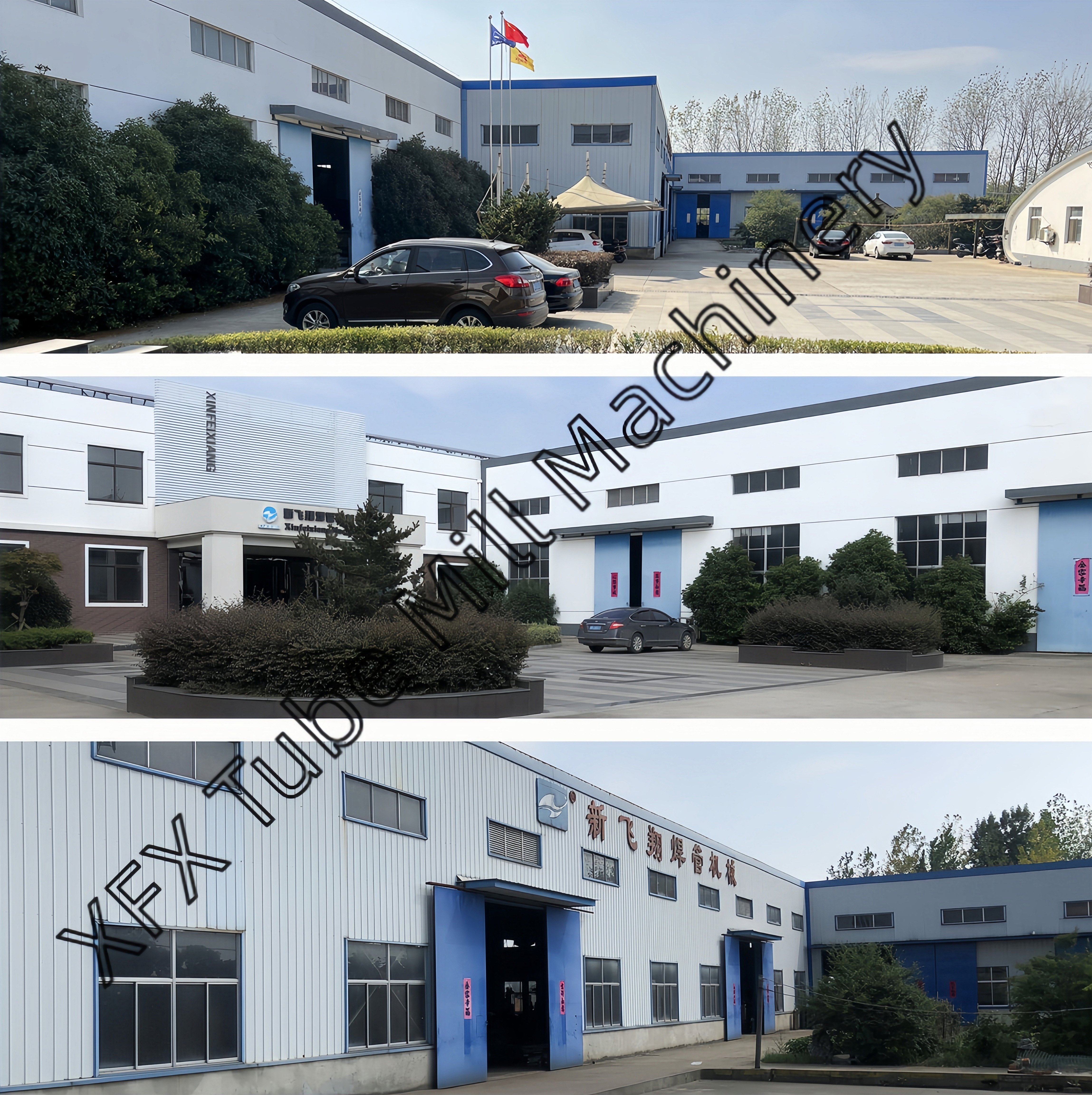
Factory capability matters. Buyers should understand whether the supplier controls design, production, assembly, testing, and project support directly, or whether important parts of the project depend on outside coordination. For long-term support, a direct factory structure can often make communication and follow-up more practical.
4. Review Utility and Workshop Discussion Quality
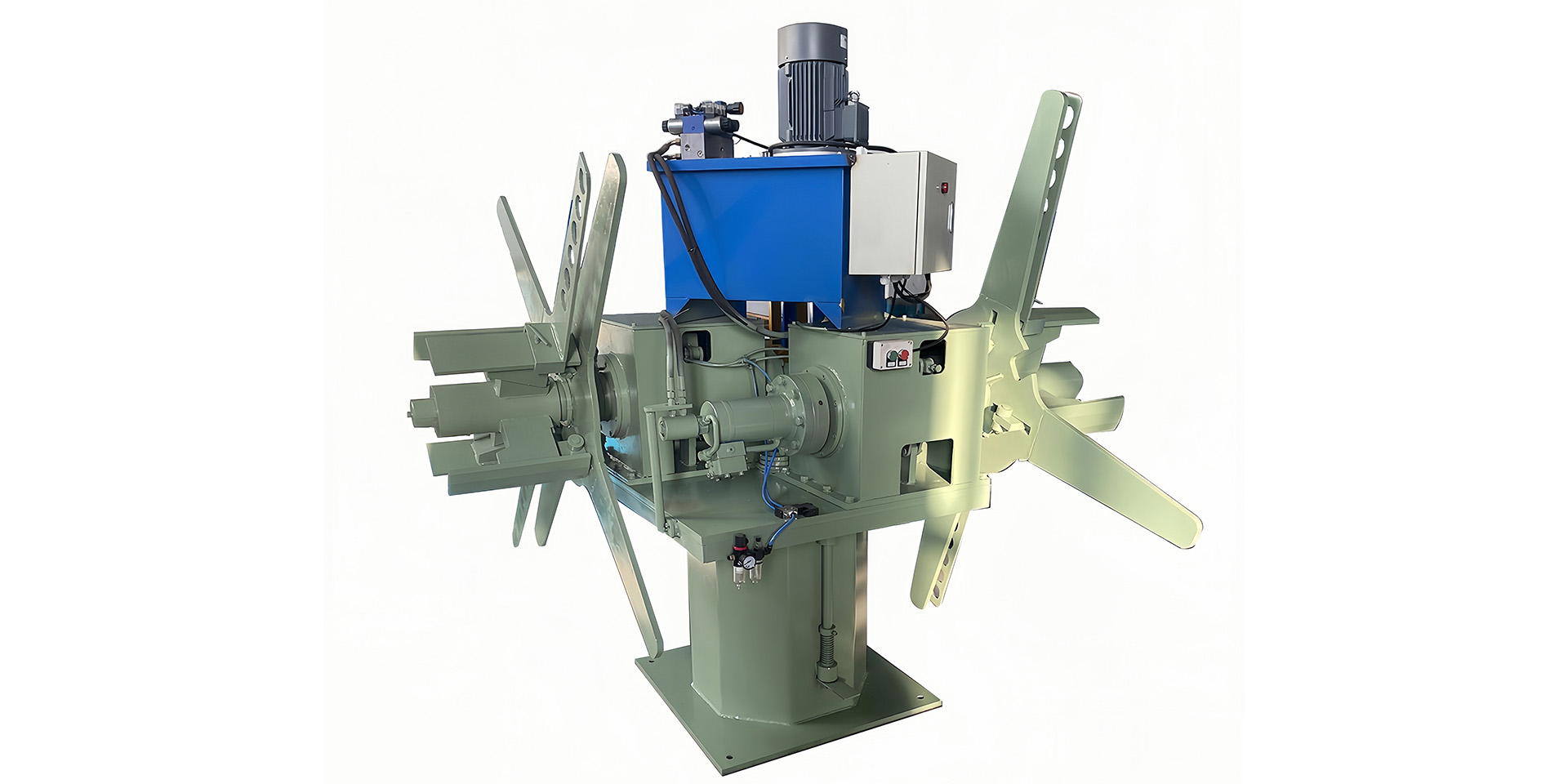
A more serious supplier will usually ask about your workshop layout, voltage, cooling water, operator readiness, and utility condition. This is a positive sign, not a complication. It means the supplier is thinking about whether the line can be installed and run properly in your factory.
5. Compare Service Scope Before Ordering
Ask each supplier clearly about:
- Installation guidance
- Operator training
- Remote technical support
- Spare parts response
- Problem-solving after start-up
For overseas buyers, this can be as important as the machine itself.
6. Check How They Explain Quotation Differences
If one quotation is higher, ask why. A good supplier should explain whether the difference comes from tooling scope, optional equipment, welding capacity, cutting system, service scope, or other real project factors. This helps buyers compare value, not only price.
7. Evaluate Communication Quality
Useful communication is not only fast communication. A stronger supplier usually asks more practical questions, explains technical limits more clearly, and avoids making careless promises before the real specification is confirmed.
8. Delivery and Installation Logic Should Be Practical
Ask each supplier how they think about delivery planning, installation schedule, commissioning, and operator training. A realistic project timeline is usually a better signal than a simple promise of very fast delivery.
9. Ask What Risks They Want You to Confirm Early
A serious supplier will often warn you about risks such as unclear tube specification, incomplete utility condition, missing optional scope, or unrealistic machine range assumptions. This is usually a good sign because it shows project awareness.
10. Build a Simple Supplier Comparison Checklist
Buyers can compare suppliers line by line under these headings:
- Specification understanding
- Model selection logic
- Tooling scope
- Optional equipment recommendation
- Factory capability
- Service support
- Utility planning
- Delivery logic
- Communication quality
Related Reading
- How to Compare Two Tube Mill Quotations Before You Order
- How to Choose a Reliable ERW Tube Mill Supplier Before Ordering
- What Information Do You Need to Get an Accurate Tube Mill Quote?
- View Tube Mill Machines and Auxiliary Equipment
FAQ
Should I choose a tube mill supplier only by price?
No. Buyers should compare specification understanding, technical logic, service support, tooling scope, and delivery planning together with price.
Why is factory capability important when choosing a supplier?
Because factory capability affects design control, production coordination, testing, follow-up efficiency, and long-term support after delivery.
Is it a good sign if a supplier asks many technical questions?
Usually yes. It often means the supplier wants to confirm the real project scope before making recommendations.
What is the best way to compare two suppliers?
Use a structured checklist and compare technical logic, service scope, factory capability, utility planning, and communication quality line by line.
CTA
If you are comparing two tube mill suppliers, send your tube specification, target product plan, and the basic scope of each offer. XFX can help you review what questions should be confirmed before you make the final decision.
Recent Posts

October 26, 2016
The Most Successful Engineering ContractorJun 09, 2026
How to Reduce Scrap Rate in ERW Tube Mill ProductionRequest a Tube Mill Quote
Tube Mill Inquiry Information
Line Quantity
Unit
Set
Please send your tube shape, exact tube size, wall thickness, raw material, country, purchase time, WhatsApp or email, and company name. XFX will help check the suitable tube mill model and configuration for your production plan.