-
tel: +86-133 3812 3788
-
email: erwpipemill@gmail.com

EN
How to Prepare a Tube Size List Before Choosing a Tube Mill Model
May 12, 2026
Before a tube mill factory can recommend a suitable model, the buyer should prepare a clear tube size list. Many projects start with a broad range such as 20-80 mm and 0.8-3.0 mm, but this is only a rough direction. It is still not enough for final model selection, quotation, or tooling planning.
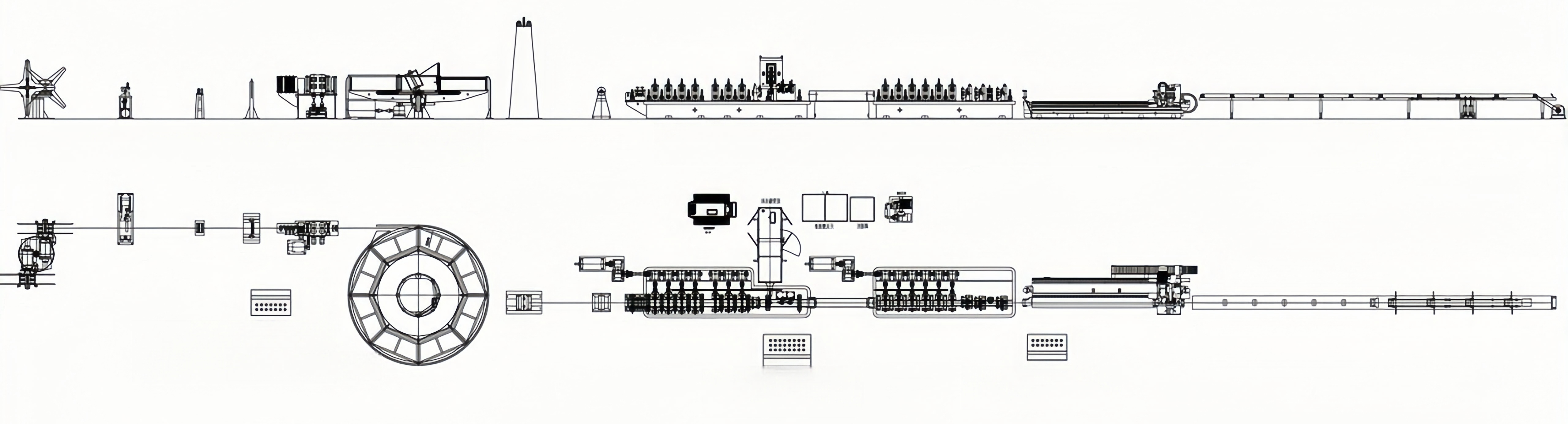
A practical tube size list helps the supplier understand what you really want to produce most often, which sizes are occasional, and how wall thickness changes across your production plan. This can improve model recommendation accuracy and reduce the risk of buying a line that is either too small or unnecessarily oversized.
Why a Tube Size List Matters
A tube mill is selected according to actual production requirements, not only catalog ranges. If the buyer does not prepare a clear size list, the supplier still needs to ask many follow-up questions before giving a reliable recommendation.
A clear list helps check:
- Main tube sizes and matching wall thickness
- Round, square, and rectangular tube proportion
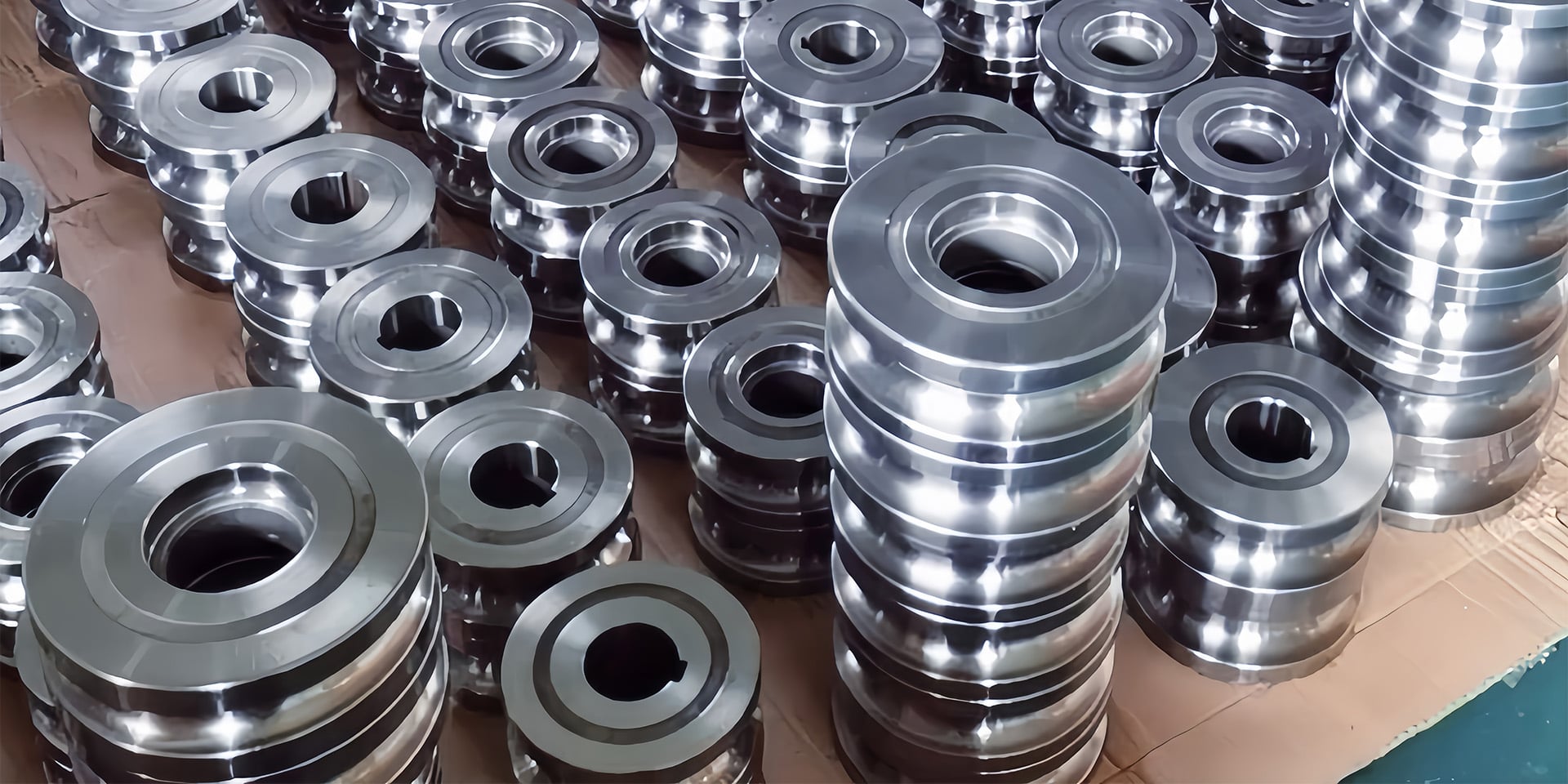
- Roll tooling requirement
- HF welder matching
- Cutting system choice
- Whether one model can cover the main production plan
How to Prepare the List Correctly
Do not send only one diameter range and one thickness range. Instead, list the real products you plan to make. Good examples include:
- Round tube: Φ25 mm x 1.2 mm
- Round tube: Φ50 mm x 2.0 mm
- Square tube: 40 x 40 mm x 1.5 mm
- Rectangular tube: 40 x 60 mm x 2.0 mm
If some sizes are produced every day and others only occasionally, mention that clearly. Main products should be marked first because they have the biggest impact on model selection.
Separate Main Sizes from Occasional Sizes
One of the most useful methods is to divide the list into two groups:
- Main sizes that drive daily production and sales
- Occasional sizes that are useful but not the priority
This helps the factory balance machine range, roll tooling scope, investment level, and size-change efficiency.
Include Tube Shape Clearly
Tube shape should be written clearly in the list. A line for round tube only is different from a line that must also produce square and rectangular tubes. If your plan includes mixed production, do not leave this unclear.
| What to Send | Example | Why It Matters |
|---|---|---|
| Tube shape | Round / Square / Rectangular | Affects forming and sizing design |
| Exact tube size | 40 x 40 mm | Needed for model checking and tooling |
| Wall thickness | 1.5 mm | Affects machine load and welding |
| Main or occasional | Main product | Helps balance investment and production plan |
| Raw material | Carbon steel strip | Helps check welding and forming condition |
Do Not Forget Cutting and Service Requirements
The size list should also be supported by a few practical project notes. For example, if you need cleaner tube ends, you may need a cold saw cutting machine. If you plan to slit coils in-house, mention whether a slitting line is also required.
You should also mention country, voltage, workshop condition if available, and expected purchase time. These details help the supplier recommend a more complete solution instead of only a rough machine range.
How XFX Uses Your Tube Size List
XFX Tube Mill Machinery Co., Ltd. checks the tube size list together with wall thickness, material, required configuration, and service requirement. We then review whether a common machine group such as small tube mills, medium tube making machines, or larger medium tube projects fits your plan.
This process helps reduce selection mistakes and improves quotation quality.
FAQ
Can I send only a broad range first?
Yes, for a first discussion. But a broad range alone is not enough for final model confirmation or accurate quotation.
What if I have many tube sizes?
Send the main sizes first and mark occasional sizes separately. This is more useful than sending a long unorganized list.
Do square and rectangular tubes need to be listed separately?
Yes. Square and rectangular tubes should be listed clearly with exact dimensions and wall thickness because they affect sizing and tooling design.
What is the best format for the list?
A simple text list or table is enough, as long as each tube shape, exact size, and matching wall thickness are clear.
Send Your Tube Size List to XFX
To receive a more accurate model recommendation, send XFX the following:
- Tube shape
- Exact tube size
- Matching wall thickness
- Main sizes and occasional sizes
- Raw material
- Country
- Purchase time
- WhatsApp or email
- Company name
XFX will help review a suitable tube mill model and configuration according to your real production needs.
Recent Posts

October 26, 2016
The Most Successful Engineering ContractorJun 09, 2026
How to Reduce Scrap Rate in ERW Tube Mill ProductionRequest a Tube Mill Quote
Tube Mill Inquiry Information
Line Quantity
Unit
Set
Please send your tube shape, exact tube size, wall thickness, raw material, country, purchase time, WhatsApp or email, and company name. XFX will help check the suitable tube mill model and configuration for your production plan.