-
tel: +86-133 3812 3788
-
email: erwpipemill@gmail.com

EN
How to Choose Cold Saw Capacity by Tube Size and Wall Thickness
May 18, 2026
Many buyers know they want a cold saw, but they are not sure how to judge the correct cutting capacity for their tube mill project. The right choice depends on the real tube size, matching wall thickness, production speed target, and finished tube quality requirement.
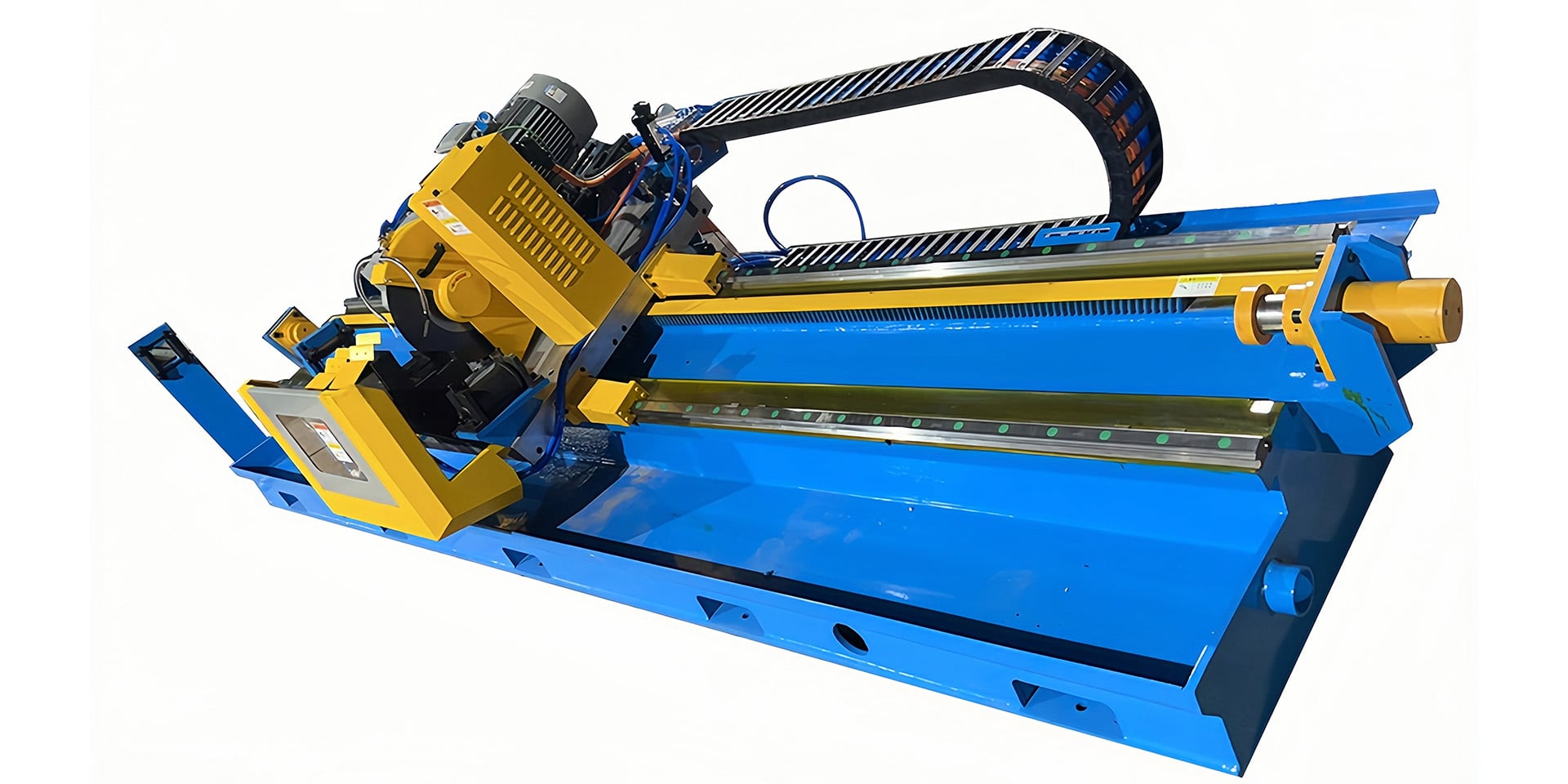
If the cold saw capacity is not matched correctly, the project may face unstable cutting performance, unnecessary cost, or production limits later. Buyers should compare cold saw scope together with the real tube specification instead of asking only for a general machine model.
Why Cold Saw Capacity Should Be Matched to Real Tube Production
A cold saw is chosen for practical production conditions, not only for a catalog description. Buyers should consider what sizes will be the main products, what wall thicknesses must be handled steadily, and whether the line will mainly produce round tube, square tube, rectangular tube, or a mix of these products.
1. Start with Exact Tube Size and Wall Thickness
The first step is to send the real target specification, such as:
- Round tube: Φ25mm × 1.2mm
- Round tube: Φ50.8mm × 2.0mm
- Square tube: 40×40mm × 1.5mm
- Rectangular tube: 40×60mm × 2.0mm
A general range is not enough for a dependable cutting recommendation.
2. Wall Thickness Can Change the Real Cutting Demand
Two tubes with a similar outside size can still create different cutting load if the wall thickness is different. Buyers should not compare cold saw capacity only by tube diameter or section size. The matching thickness matters because it affects blade load, cut quality, and stable running speed.
3. Round, Square, and Rectangular Products Should Be Reviewed Separately
If the line will produce several tube shapes, please send them separately. A cold saw recommendation may be influenced by whether the project focuses on round tube only or also includes square and rectangular production in the same line.
4. Check the Production Speed Requirement
Capacity is not only about whether the saw can cut the product. It is also about whether it can cut the product at the required line speed and quality level. Buyers should discuss:
- Expected running speed
- Main production sizes
- Typical order mix
- Required cut end quality

5. Compare Cold Saw with the Full Line Configuration
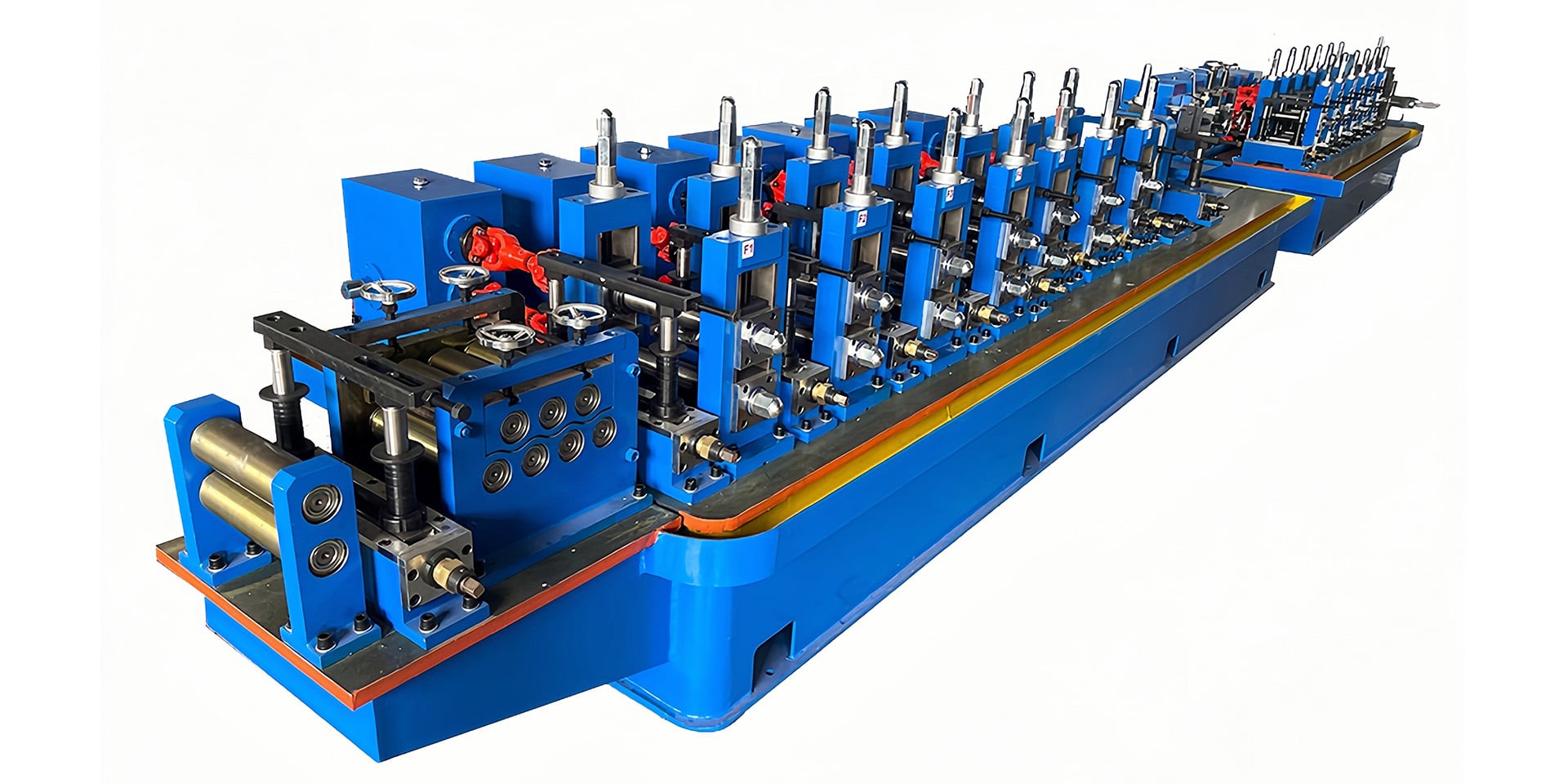
The cutting system should be reviewed together with the tube mill configuration, including the forming section, welding section, sizing section, and line control logic. A good supplier should consider cutting coordination with the whole production line, not only the saw unit itself.
6. Ask What Product Scope the Cold Saw Quotation Covers
When comparing quotations, ask whether the cold saw scope is based on:
- Your exact target sizes
- The full thickness requirement
- All requested shapes
- Your expected speed range
This helps avoid misunderstanding later.
7. Consider Maintenance and Blade Planning
Cold saw selection should also consider blade management, maintenance convenience, spare parts planning, and operator use. Buyers should ask how the saw will be supported in daily production and what maintenance points are most important.
8. Do Not Choose Only by the Largest Catalog Number
A larger cutting capacity is not always a better project choice. If the machine is oversized for the real production plan, the buyer may spend more than necessary. The better approach is to match the saw to the true production requirement and expected future expansion.
What Buyers Should Send for a Better Cold Saw Recommendation
- Tube shape
- Exact tube size
- Wall thickness
- Raw material
- Main production speed target
- Country
- Preferred line configuration
Related Reading
- Cold Saw vs Hot Friction Saw for Tube Mill: Which One Is Better for Your Production?
- How to Choose a Tube Mill Model by Tube Size and Wall Thickness
- What Information Do You Need to Get an Accurate Tube Mill Quote?
- View Tube Mill Machines and Auxiliary Equipment
FAQ
Can I choose cold saw capacity only by tube diameter?
No. You should also check wall thickness, product shape, speed target, and overall line configuration.
Why does wall thickness matter for cold saw selection?
Because it affects real cutting load, cut stability, blade demand, and the practical production range of the cutting system.
Should square and rectangular products be considered separately?
Yes. If your line produces different shapes, send them separately so the supplier can review the cutting scope more accurately.
What is the safest way to get a useful cold saw recommendation?
Send the exact tube size list, wall thickness, material, and speed target instead of only a general range.
CTA
Send your exact tube size list, wall thickness, material, and expected production speed. XFX can help you review a more practical cold saw capacity for your tube mill project.
Recent Posts

October 26, 2016
The Most Successful Engineering ContractorJun 09, 2026
How to Reduce Scrap Rate in ERW Tube Mill ProductionRequest a Tube Mill Quote
Tube Mill Inquiry Information
Line Quantity
Unit
Set
Please send your tube shape, exact tube size, wall thickness, raw material, country, purchase time, WhatsApp or email, and company name. XFX will help check the suitable tube mill model and configuration for your production plan.