-
tel: +86-133 3812 3788
-
email: erwpipemill@gmail.com

EN
Common Tube Mill Problems and Practical Solutions for ERW Tube Production
May 06, 2026
During ERW tube mill production, buyers may face problems such as unstable forming, weld defects, tube size deviation, roll marks, cutting burrs, strip feeding issues, and unexpected downtime. These problems can affect finished tube quality and production efficiency.
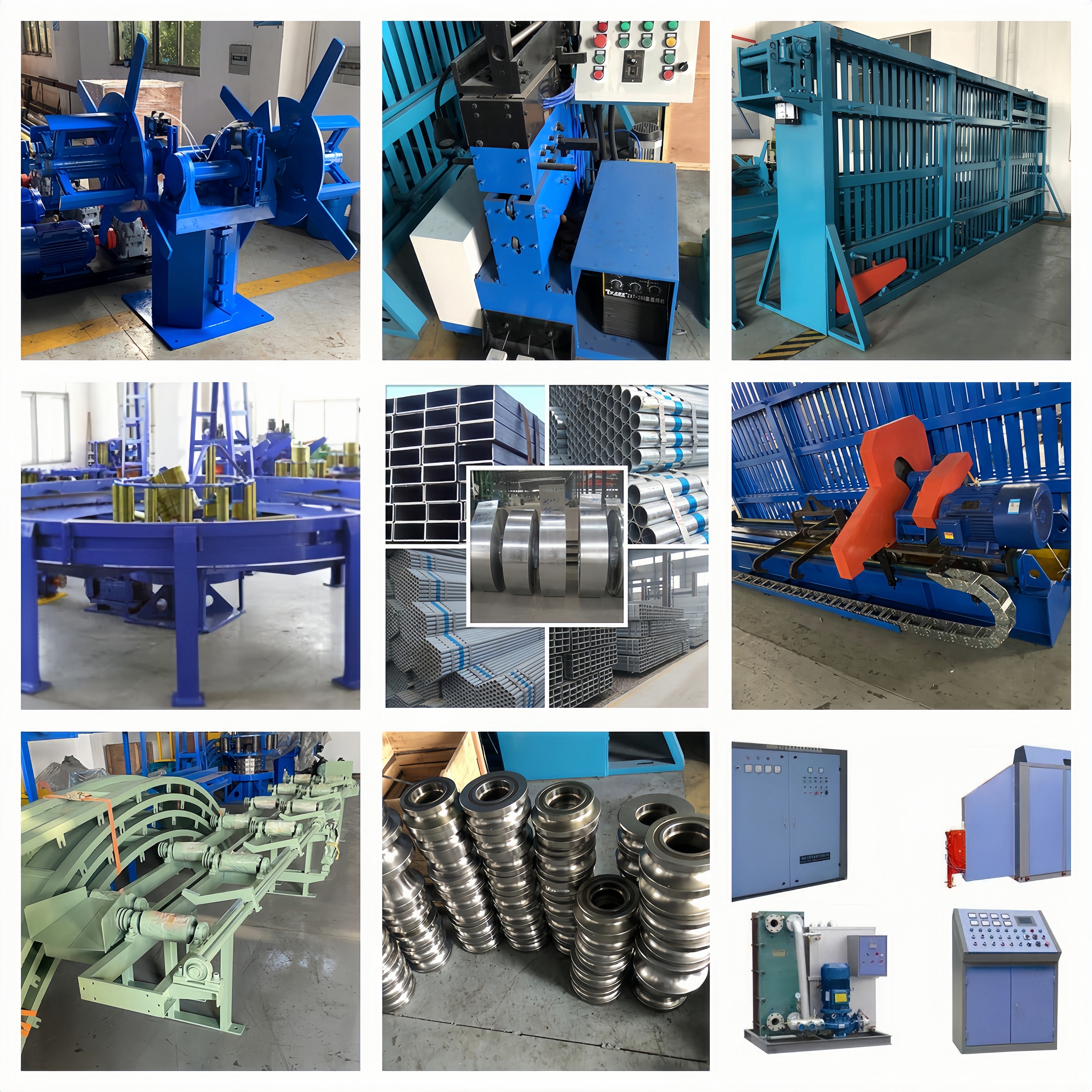
Not every problem means the tube mill is poorly made. Many issues are related to raw material, roll tooling, machine adjustment, HF welding setup, cutting system, maintenance, and operator experience. A clear troubleshooting process helps buyers solve problems faster and avoid unnecessary parts replacement.
1. Unstable Strip Feeding
Unstable strip feeding can cause forming problems, welding instability, and production stops. The reason may be related to coil quality, uncoiler setup, strip head joining, accumulator movement, or poor line alignment.
Buyers should check coil condition, strip width, strip edge quality, uncoiler tension, shearing and butt welding quality, and whether the accumulator is running smoothly.
2. Tube Forming Is Not Stable
If the steel strip cannot form smoothly into the required tube shape, the problem may come from roll tooling setup, roll stand alignment, wrong adjustment, worn rolls, or unsuitable material condition.
For accurate checking, record the tube size, wall thickness, material, tooling set, and the position where forming becomes unstable. Photos or videos from the forming section are very useful for remote support.
3. Weld Quality Problems
Weld quality issues are among the most important tube mill problems. They may show as weak welds, open seams, excessive sparks, unstable weld bead, or poor seam appearance.
Before blaming only the HF welder, check the complete welding condition: strip edge forming, V-angle, squeeze roll adjustment, induction coil position, ferrite/impeder condition, cooling water, material, welding speed, and HF welder power setting.
4. Tube Size Deviation
Tube size deviation means the finished tube dimension is not stable or does not meet the target size. This may happen in round tube, square tube, or rectangular tube production.
Common causes include incorrect sizing stand adjustment, worn roll tooling, unstable forming, material springback, poor alignment, or operator adjustment mistakes. The buyer should check whether the problem appears in all sizes or only one specific tube specification.
5. Surface Scratches or Roll Marks
Surface scratches and roll marks can affect tube appearance, especially for furniture tubes, decorative tubes, galvanized tubes, and products sold in higher appearance markets.
Possible reasons include dirty rolls, damaged roll surface, incorrect roll gap, strip surface defects, burrs, or foreign material inside the line. Regular cleaning and roll inspection are important.
6. Cutting Burrs and Tube End Problems
Cutting burrs, rough tube ends, and unstable cutting length may come from saw blade wear, incorrect cutting speed, poor clamping, unsuitable blade type, or mismatch between tube speed and cutting movement.
Cold saw and hot friction saw systems have different requirements. If tube end quality is important, buyers should discuss cutting method during tube mill quotation, not after installation.
7. Frequent Bearing or Shaft Damage
Bearings, bearing sleeves, shafts, gears, and transmission parts may wear over time. However, frequent damage may indicate alignment problems, overload, lack of lubrication, poor maintenance, or unsuitable operation.
When asking for spare parts support, send the machine model, part photos, dimensions, installation position, and production condition. This helps avoid ordering the wrong replacement part.
8. Production Speed Cannot Reach Expectation
Production speed depends on tube size, wall thickness, material, HF welding condition, cutting system, operator skill, and machine configuration. A line cannot always run at maximum speed for every tube size.
Before purchasing, buyers should discuss their main production sizes and expected output with the supplier. If the quotation only lists a general speed range, ask how it applies to your actual tube specifications.
What Information Should You Send for Troubleshooting?
Remote troubleshooting is much easier when the buyer provides clear information. Please prepare:
- Tube shape, tube size, and wall thickness
- Raw material and strip width
- Machine model and line configuration
- Problem section: forming, welding, sizing, cutting, or others
- Photos and videos of the problem
- Current machine settings if available
- When the problem started and whether it happens on all sizes
- WhatsApp or email for technical communication
How to Reduce Tube Mill Problems Before They Happen
The best solution is not only fixing problems after they appear. Buyers can reduce risk by choosing the right tube mill model, preparing accurate tube specifications, using suitable roll tooling, training operators, following maintenance guidance, and keeping important spare parts ready.
For new projects, send exact production examples such as round tube Φ25 mm x 1.2 mm, square tube 40 x 40 mm x 1.5 mm, and rectangular tube 40 x 60 mm x 2.0 mm. This helps the supplier select the right machine and configuration from the beginning.
FAQ
Why does my tube mill have unstable weld quality?
Weld quality may be affected by forming, strip edge condition, HF welder setting, induction coil position, impeder condition, squeeze roll adjustment, material, and line speed. The complete welding section should be checked.
Why does tube size change during production?
Tube size deviation may come from sizing stand adjustment, roll wear, material variation, forming instability, or operator setup. Check whether the problem happens on all sizes or only one specification.
Can XFX help troubleshoot an existing tube mill?
Yes. XFX can provide remote technical support when buyers send clear photos, videos, tube specifications, machine information, and problem details.
What spare parts should I prepare?
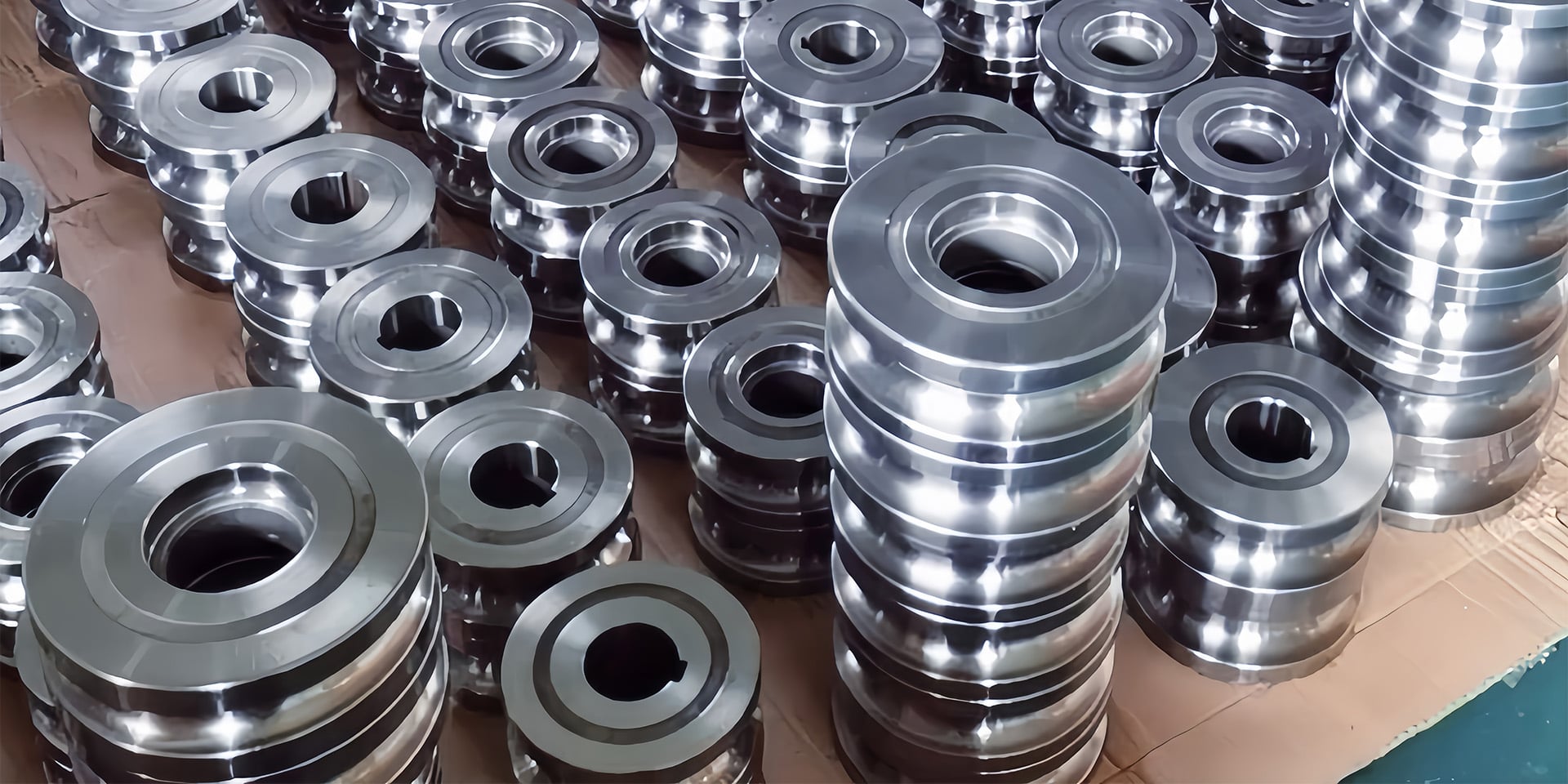
The spare parts list depends on machine model and production intensity. Common parts may include bearings, saw blades, induction coils, ferrite magnetic bars, shafts, gears, and roll tooling-related parts.
Ask XFX to Review Your Tube Mill Problem
XFX Tube Mill Machinery Co., Ltd. manufactures ERW tube mills, high frequency welded tube mills, HF welders, cutting saws, zinc spraying machines, roll tooling, and tube mill spare parts.
Send your tube specifications, problem videos or photos, machine model, country, and WhatsApp or email. XFX will help check the possible cause and suggest the next step.
Read our tube mill maintenance guide, view ERW tube mill machines, check tube mill spare parts, or contact XFX for technical support.
Recent Posts

October 26, 2016
The Most Successful Engineering ContractorJun 09, 2026
How to Reduce Scrap Rate in ERW Tube Mill ProductionRequest a Tube Mill Quote
Tube Mill Inquiry Information
Line Quantity
Unit
Set
Please send your tube shape, exact tube size, wall thickness, raw material, country, purchase time, WhatsApp or email, and company name. XFX will help check the suitable tube mill model and configuration for your production plan.