-
tel: +86-133 3812 3788
-
email: erwpipemill@gmail.com

EN
Do You Need a Slitting Line for Your Tube Mill?
May 06, 2026
A slitting line is often considered together with an ERW tube mill project. Some buyers need it because they buy wide steel coils and must slit them into narrow strips before tube production. Other buyers may not need a slitting line if they already buy ready-width strip from local suppliers.
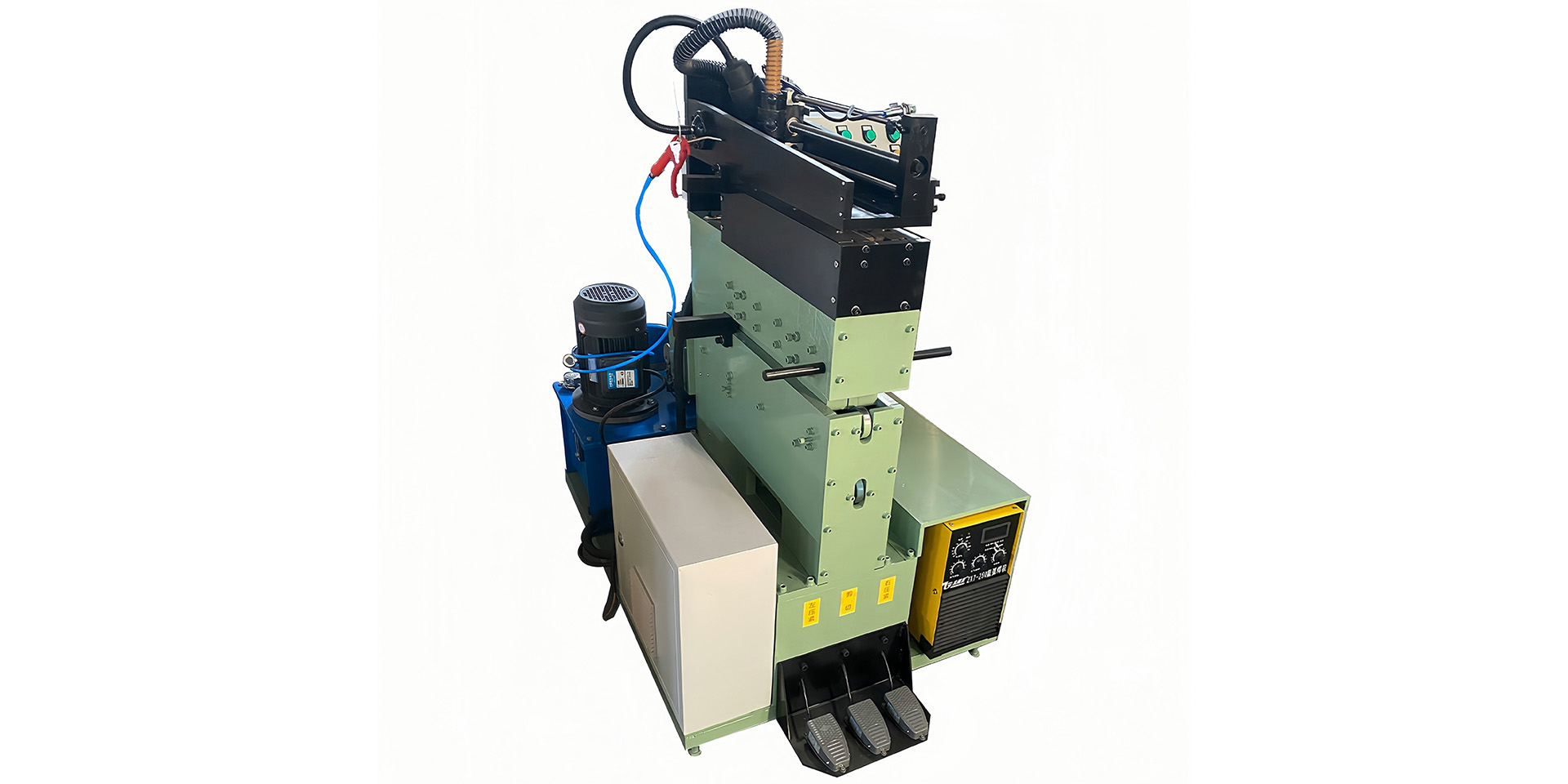
This article explains when a slitting line is needed, what information buyers should prepare, and how it connects with high frequency welded tube mill production.
What Is a Slitting Line?
A slitting line cuts wide steel coil into narrower strips according to the required strip width. These strips are then used by the tube mill to produce round, square, or rectangular welded steel tubes.
The main purpose is to prepare stable strip width for tube forming and welding. If the strip width is not suitable, the tube mill may face forming problems, weld seam instability, or poor dimension control.
How a Slitting Line Works with a Tube Mill
The tube mill does not normally use a full-width coil directly. It needs steel strip with a suitable width for the target tube size. A slitting line helps prepare this strip before the coil is loaded to the tube mill uncoiler.
A typical process may be:
- Wide steel coil arrives at the factory
- Slitting line cuts the coil into required strip widths
- Prepared strips are stored for tube mill production
- Tube mill forms, welds, sizes, and cuts the tube
When Do You Need a Slitting Line?
You may need a slitting line if your factory plans to buy wide coil and prepare strips by yourself. This can be useful when you want more control over strip width, coil inventory, production scheduling, and material usage.
A slitting line may also be considered when local ready-width strip supply is unstable, too expensive, or not available for your required tube sizes.
When You May Not Need a Slitting Line
If you can buy ready-width steel strip that matches your tube mill production plan, a separate slitting line may not be necessary at the beginning. Some new tube factories choose to start with ready-width strip first, then add a slitting line later when production volume grows.
The decision depends on your local steel supply, coil purchase plan, tube size range, production volume, workshop space, and budget.
Information Needed Before Selecting a Slitting Line
To check whether a slitting line is suitable for your tube mill project, please prepare:
- Raw coil width
- Raw coil thickness range
- Coil weight
- Required strip width for main tube sizes
- Material type: carbon steel, galvanized steel, stainless steel, or other material
- Tube sizes and wall thicknesses to be produced
- Expected production volume
- Workshop layout and available space
Tube Size and Strip Width Are Connected
Tube mill model selection depends on tube size and wall thickness. Slitting line selection is also connected with the same production plan because the strip width must match the target tube size.
For example, if you plan to produce several round, square, and rectangular tubes, the strip width plan should be checked together with the roll tooling and tube mill configuration. Do not only provide a broad tube range. Send exact examples such as round tube 25 mm x 1.2 mm, square tube 40 x 40 mm x 1.5 mm, and rectangular tube 40 x 60 mm x 2.0 mm.
How Slitting Line Choice Affects Total Investment
A slitting line adds cost to the overall project, but it may help improve material control and long-term production planning. Buyers should compare the cost of buying wide coil plus slitting by themselves against buying ready-width strip from suppliers.
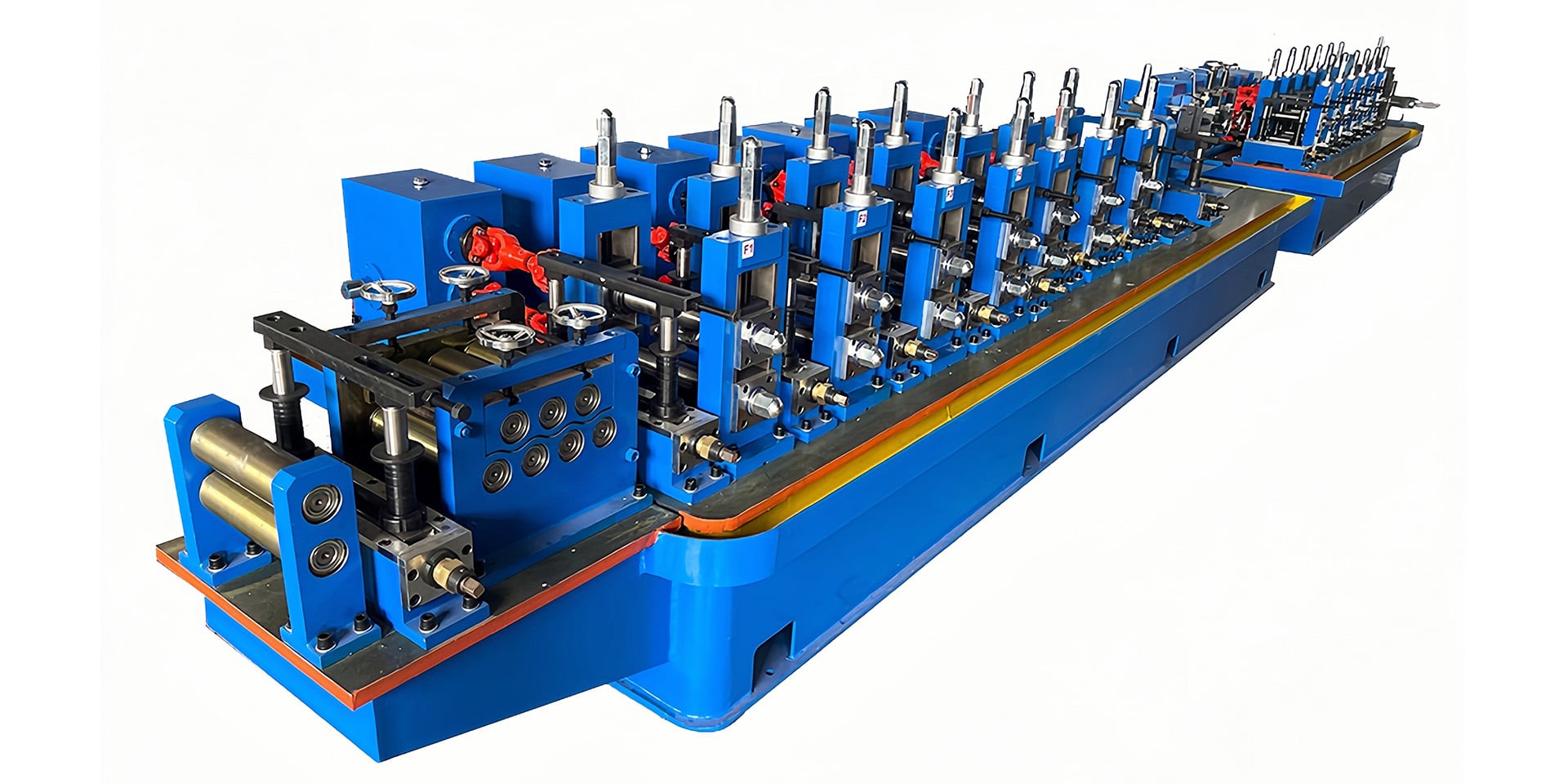
When comparing quotations, check whether the supplier includes the slitting line, tube mill, uncoiler, accumulator, HF welder, cutting saw, tooling, installation support, and spare parts. A complete project quotation should clearly state what is included.
Common Buyer Questions
Many buyers are not sure whether they should buy the tube mill first or buy the slitting line together. There is no single answer for every factory. A new factory with limited budget may start with the tube mill and ready-width strip. A factory with higher volume or stronger material supply control may consider a slitting line from the beginning.
XFX can help review your tube specifications, coil supply situation, and production plan before recommending whether a slitting line should be included.
FAQ
Can a tube mill work without a slitting line?
Yes, if you buy ready-width strip that matches your tube production. If you buy wide coil, a slitting line or outside slitting service is usually needed.
Does every ERW tube mill project need a slitting line?
No. The need depends on coil supply, strip width availability, production volume, workshop space, and budget.
Can XFX help check strip width requirements?
Yes. XFX can review your tube sizes, wall thicknesses, raw material, and production plan to help check the strip preparation requirement.
Should I buy a slitting line together with the tube mill?
If your factory wants better material control and has enough budget and space, buying both may be practical. If you can source ready-width strip locally, you may start with the tube mill first.
Ask XFX to Check Your Tube Mill and Slitting Plan
Send your tube shape, exact tube size, wall thickness, raw material, coil information, country, purchase time, and WhatsApp or email. XFX will help check whether your project needs only a tube mill or a complete solution with strip preparation equipment.
Explore ERW tube mill machines, check tube mill auxiliary equipment, read what information is needed for a tube mill quote, or contact XFX for a project recommendation.
Recent Posts

October 26, 2016
The Most Successful Engineering ContractorJun 09, 2026
How to Reduce Scrap Rate in ERW Tube Mill ProductionRequest a Tube Mill Quote
Tube Mill Inquiry Information
Line Quantity
Unit
Set
Please send your tube shape, exact tube size, wall thickness, raw material, country, purchase time, WhatsApp or email, and company name. XFX will help check the suitable tube mill model and configuration for your production plan.