-
tel: +86-133 3812 3788
-
email: erwpipemill@gmail.com

EN
Custom Tube Mill Solutions, OEM and ODM: What Buyers Should Confirm Before Ordering
May 18, 2026
Many buyers do not need a standard tube mill package. They need a practical solution that matches their real tube sizes, wall thickness range, material condition, workshop layout, utility condition, and production target. That is why custom tube mill solutions, OEM support, and ODM support are important topics in B2B tube mill projects.

A useful custom solution is not only about changing a machine color or adding one optional section. It should start from the buyer's real production goal and then confirm the suitable line scope, machine structure, optional equipment, and support arrangement. For overseas buyers, this can reduce the risk of buying a line that looks acceptable on paper but does not fit real production well.
Why Custom Tube Mill Solutions Matter
Different buyers may produce different tube shapes, sizes, wall thicknesses, steel grades, and finished products. Some need round tube only. Some need square and rectangular tube conversion. Some need cold saw cutting, zinc spraying, slitting support, or automatic packing. A standard package may not answer all of these needs clearly.
1. Customization Should Start from Tube Specifications
Before discussing OEM or ODM support, the supplier should first understand:
- Tube shape
- Exact tube size
- Wall thickness
- Raw material
- Main product specification
- Planned production mix
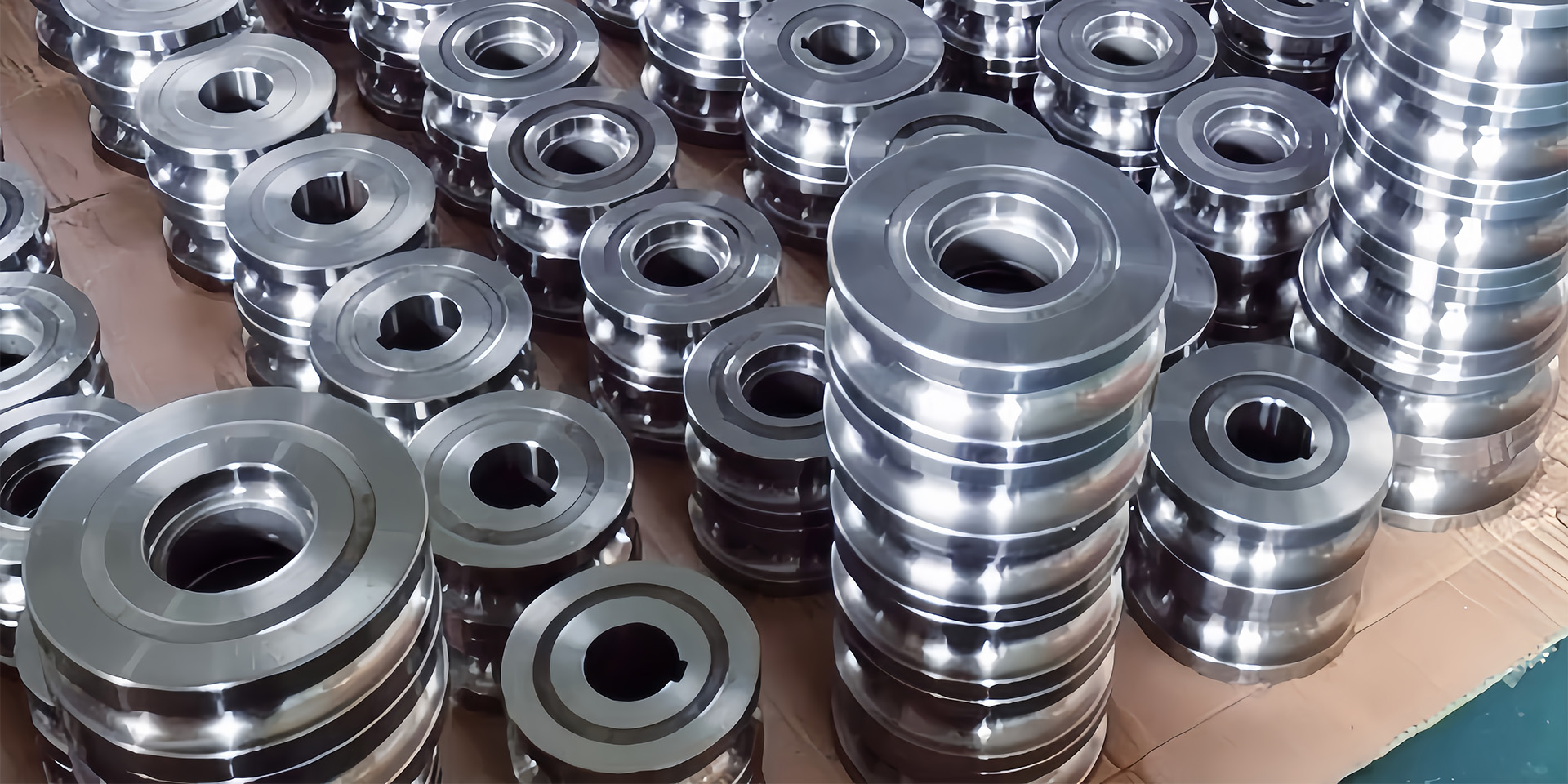
These points affect model selection, tooling scope, welding arrangement, cutting system, and utility planning.
2. Custom Solutions Often Include Optional Equipment Decisions
A buyer may need a complete line solution, not only the main mill. Customization may include choices such as:
- Cold saw or hot friction saw
- Horizontal or vertical accumulator
- Hydraulic uncoiler
- Zinc spraying machine
- Automatic packing
- Slitting line
- Cut to length line
The supplier should help the buyer choose what is necessary and what is optional for the actual project.
3. OEM and ODM Are Useful When Applied Correctly
In B2B machinery projects, OEM and ODM support can be meaningful when the buyer needs a line adjusted for a market plan, factory layout, brand requirement, or specific production logic. But OEM and ODM should still follow realistic engineering limits and production conditions, not just a marketing request.
4. Workshop and Utility Conditions Also Affect the Final Solution
A custom solution should consider available workshop space, local voltage and frequency, cooling water condition, lifting arrangement, and future expansion possibility. A machine that is right in theory can still be inconvenient if the factory conditions are not reviewed early.

5. Customization Should Also Include Service Planning
A complete solution is not only about the equipment list. Buyers should also review:
- Installation planning
- Operator training
- Remote technical support
- Spare parts support
- Future size expansion possibility
These items affect long-term project success more than many buyers expect.
6. Avoid Choosing a Model Only by Range
One of the biggest mistakes in tube mill buying is choosing a machine only because its catalog range looks wide enough. Final model confirmation should still depend on the buyer's real tube size and matching wall thickness, not only the maximum range shown in a brochure.
7. What Buyers Should Send for a More Practical Custom Proposal
- Tube shape
- Exact tube size list
- Wall thickness
- Raw material
- Main product specification
- Country
- Voltage and frequency if known
- Required optional equipment
- Target purchase time
- WhatsApp or email
- Company name
Related Reading
- What Information Do You Need to Get an Accurate Tube Mill Quote?
- How to Choose a Tube Mill Model by Tube Size and Wall Thickness
- How Remote Technical Support and Spare Parts Response Affect Tube Mill After-Sales Service
- View Tube Mill Machines and Auxiliary Equipment
FAQ
What does a custom tube mill solution usually include?
It usually includes model selection, optional equipment arrangement, tooling scope, utility planning, service planning, and confirmation of the buyer's real production target.
Is OEM or ODM suitable for every project?
Not always. OEM and ODM are useful when the buyer has clear project requirements that justify special arrangement, branding, or engineering adjustment.
Can one standard model always fit all requested sizes?
No. Final model selection should still depend on the real combination of tube size, wall thickness, material, and required configuration.
What should I send to get a more useful custom proposal?
Send your exact tube specifications, raw material, country, utility information, optional equipment needs, and purchase plan.
CTA
If you are planning a custom tube mill project, send your exact tube size list, wall thickness, raw material, country, and required configuration. XFX can help you review a more practical custom tube mill solution with OEM or ODM support if needed.

Recent Posts

October 26, 2016
The Most Successful Engineering Contractor
Jun 09, 2026
How to Reduce Scrap Rate in ERW Tube Mill Production

Request a Tube Mill Quote
Tube Mill Inquiry Information
Line Quantity
Unit
Set
Please send your tube shape, exact tube size, wall thickness, raw material, country, purchase time, WhatsApp or email, and company name. XFX will help check the suitable tube mill model and configuration for your production plan.