-
tel: +86-133 3812 3788
-
email: erwpipemill@gmail.com

EN
How Modern ERW Tube Mills Help Reduce Waste and Improve Efficiency
Aug 26, 2024
For steel tube producers, efficiency is not only about line speed. A modern ERW tube mill should help reduce material waste, shorten downtime, improve product consistency, and make daily operation easier for the factory team.
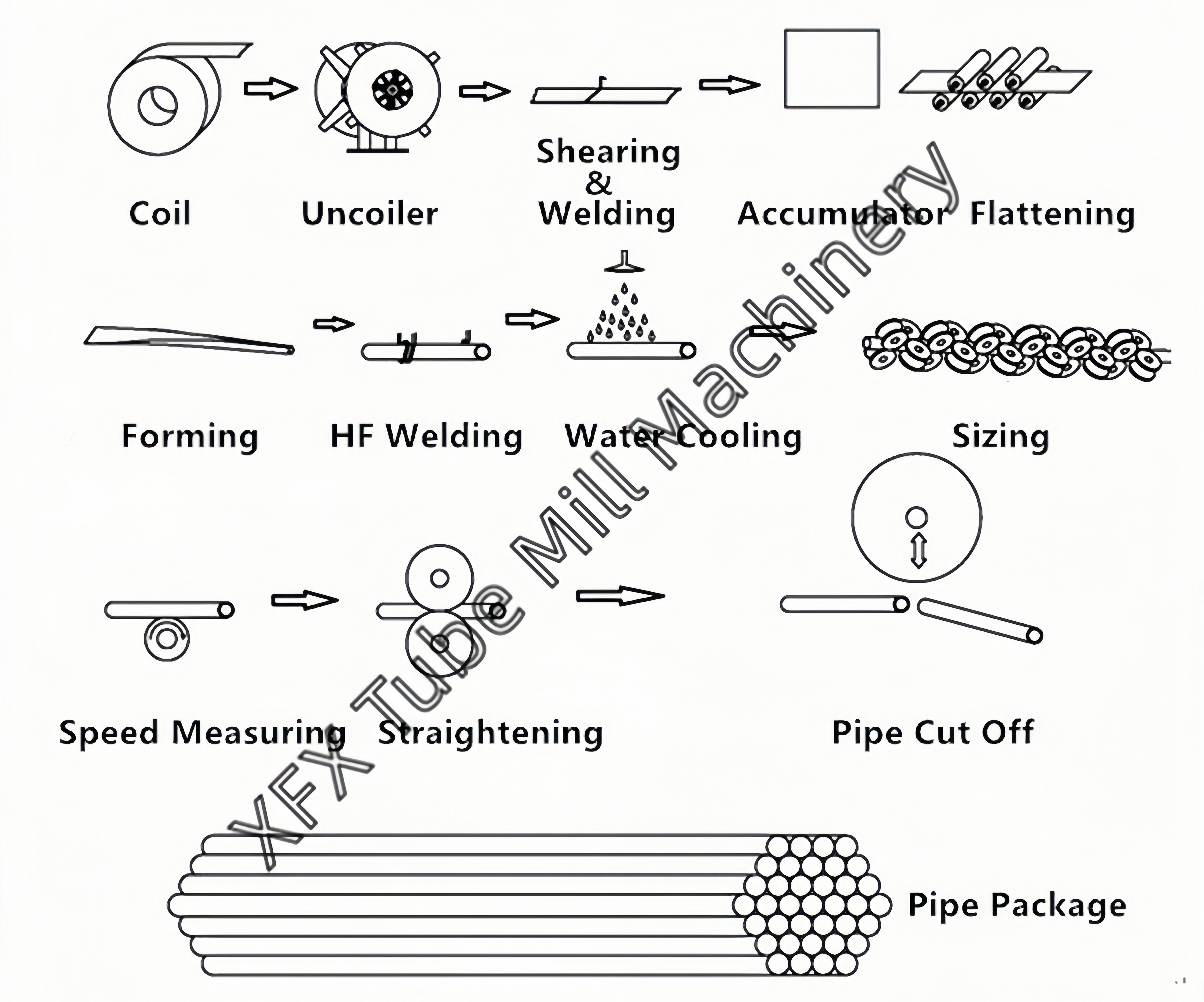
The real result depends on correct model selection, stable machine structure, suitable auxiliary equipment, operator training, and long-term maintenance. This article explains what buyers should check when evaluating ERW tube mill efficiency.
1. Correct Model Selection Reduces Production Risk
A tube mill that is too small for your tube size and wall thickness may cause unstable production, more adjustments, and higher waste. A machine that is much larger than needed may increase investment and operating cost.
Before discussing price, send exact tube specifications such as round tube 25 mm x 1.2 mm, square tube 40 x 40 mm x 1.5 mm, or rectangular tube 40 x 60 mm x 2.0 mm. This helps the manufacturer check the correct model and configuration.
2. Coil Preparation Affects Continuous Production
Stable coil feeding and strip preparation can reduce line interruptions. The uncoiler, shearing and butt welding machine, and accumulator work together to support more continuous production during coil changes.
If your factory needs higher output, discuss whether a hydraulic uncoiler, vertical accumulator, or horizontal spiral accumulator is suitable for your strip size, coil weight, workshop layout, and line speed.
3. Stable Forming and Welding Reduce Scrap
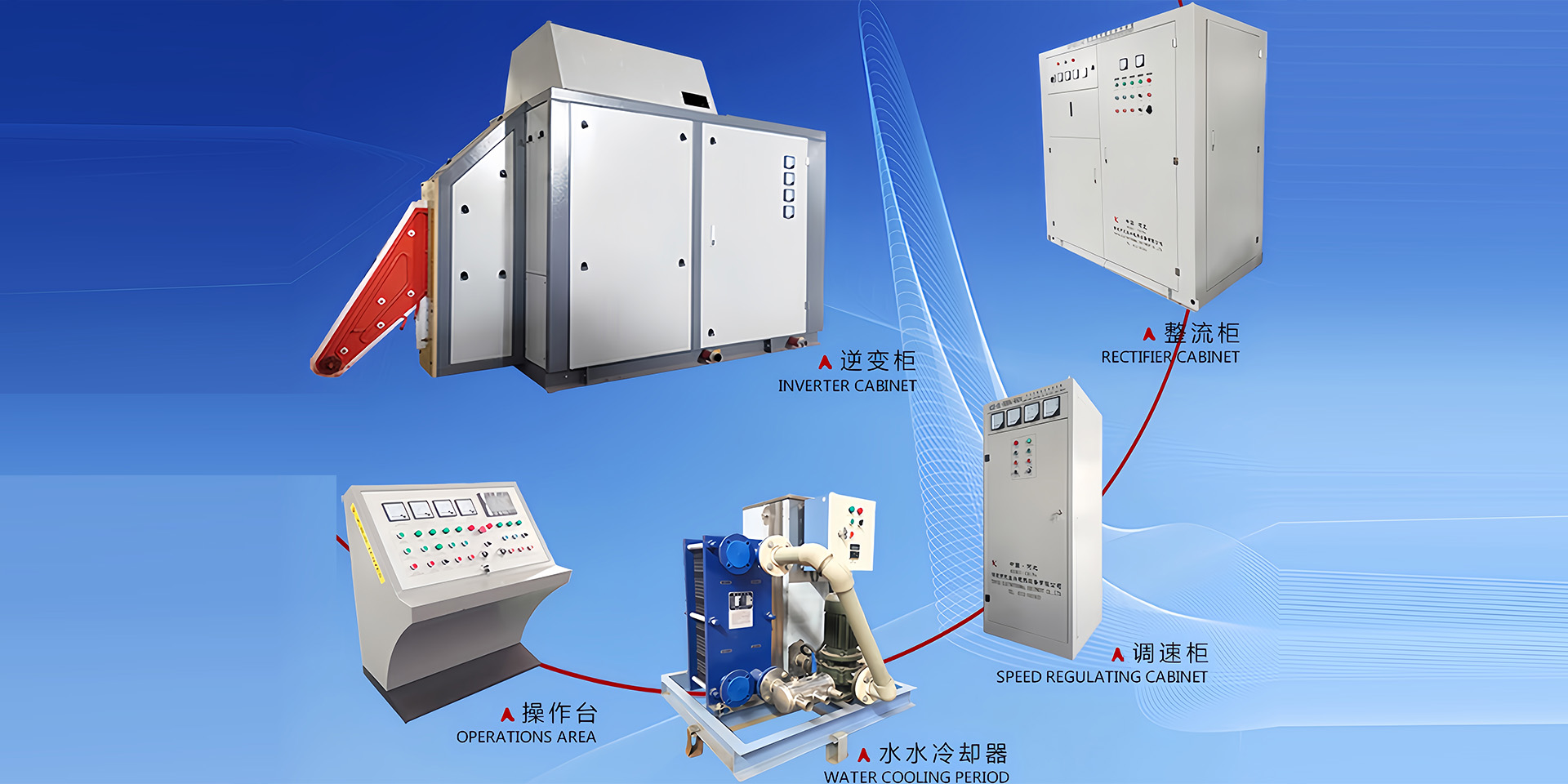
Material waste often comes from unstable forming, poor strip edge meeting, weld defects, and incorrect machine adjustment. A suitable forming section, roll tooling, HF welder, squeeze roll setup, and cooling system help reduce these problems.
The HF welder should be selected according to tube size, wall thickness, material, and speed. The roll tooling should match the required round, square, or rectangular tube sizes.
4. Cutting Choice Affects Finished Tube Quality
Cutting errors can create extra waste, rework, and customer complaints. The choice between hot friction saw and cold saw cutting should be based on tube size, wall thickness, line speed, cut quality, and budget.
A cold saw cutting machine may improve tube end quality for many applications. For some production requirements, a hot saw may still be acceptable. The correct choice should match your final product standard.
5. Maintenance Planning Improves Long-Term Efficiency
A tube mill line needs regular maintenance. Rolls, bearings, shafts, saw blades, induction coils, magnetic bars, lubrication, cooling system, and electrical components should be checked according to the production condition.
Spare parts support is important for reducing downtime. Before ordering, confirm whether the supplier can provide spare parts and remote technical support after delivery.
6. Operator Training Helps the Machine Run Better
Even a good machine needs trained operators. Forming adjustment, welding setup, tooling change, cutting setting, lubrication, and troubleshooting all affect efficiency.
For overseas buyers, installation guidance and operator training should be considered part of the project, not an optional afterthought.
7. How to Evaluate Efficiency Before Buying
| Question | Why It Matters |
|---|---|
| Does the model match my exact tube sizes? | Reduces risk of unstable production |
| Is the HF welder power suitable? | Supports weld stability and speed |
| Is the accumulator suitable for my line? | Helps reduce downtime during coil changes |
| Is the cutting method suitable? | Affects tube end quality and rework |
| Will operators receive training? | Improves daily adjustment and troubleshooting |
| Can spare parts be supplied? | Reduces long-term downtime risk |
How XFX Supports Efficient Tube Mill Projects
XFX Tube Mill Machinery Co., Ltd. manufactures ERW tube mills, high frequency welded tube mill lines, HF welders, cutting saws, uncoilers, accumulators, zinc spraying machines, roll tooling, and related equipment.
We help buyers confirm suitable model selection, line configuration, optional equipment, installation guidance, operator training, remote support, and spare parts according to real tube specifications.
FAQ
Does higher line speed always mean better efficiency?
No. Efficiency also depends on stable forming, welding quality, cutting accuracy, downtime, maintenance, operator skill, and finished tube acceptance.
How can a tube mill reduce material waste?
A suitable model, stable forming, matched HF welder, correct tooling, proper cutting, and trained operators can help reduce scrap and rework.
Is automation always necessary?
Not always. Automation should match your production plan, labor situation, budget, and quality requirement. XFX can help compare practical options.
What should I send to evaluate line efficiency?
Please send tube shape, exact tube size, wall thickness, raw material, expected production needs, country, purchase time, and required options.
Send Your Tube Mill Efficiency Requirements
If you want to improve production efficiency or build a new ERW tube mill line, send your target tube specifications to XFX for model and configuration checking.
View our high frequency welded tube mills, tube mill accumulator options, or request a tube mill solution.

Recent Posts

October 26, 2016
The Most Successful Engineering Contractor
Jun 09, 2026
How to Reduce Scrap Rate in ERW Tube Mill Production

Request a Tube Mill Quote
Tube Mill Inquiry Information
Line Quantity
Unit
Set
Please send your tube shape, exact tube size, wall thickness, raw material, country, purchase time, WhatsApp or email, and company name. XFX will help check the suitable tube mill model and configuration for your production plan.