-
tel: +86-133 3812 3788
-
email: erwpipemill@gmail.com

EN
Common Steel Pipe Manufacturing Problems and How ERW Tube Mills Help
Aug 26, 2024
Steel pipe production problems usually do not come from one single part. Unstable forming, unsuitable welding power, poor roll tooling, wrong cutting choice, weak strip preparation, and insufficient maintenance can all affect finished tube quality and production efficiency.

For buyers planning to purchase a new ERW tube mill, understanding these common problems can help you ask better questions before placing an order. It also helps you choose a line configuration that fits your tube size, wall thickness, material, and operator level.
1. Unstable Forming Before Welding
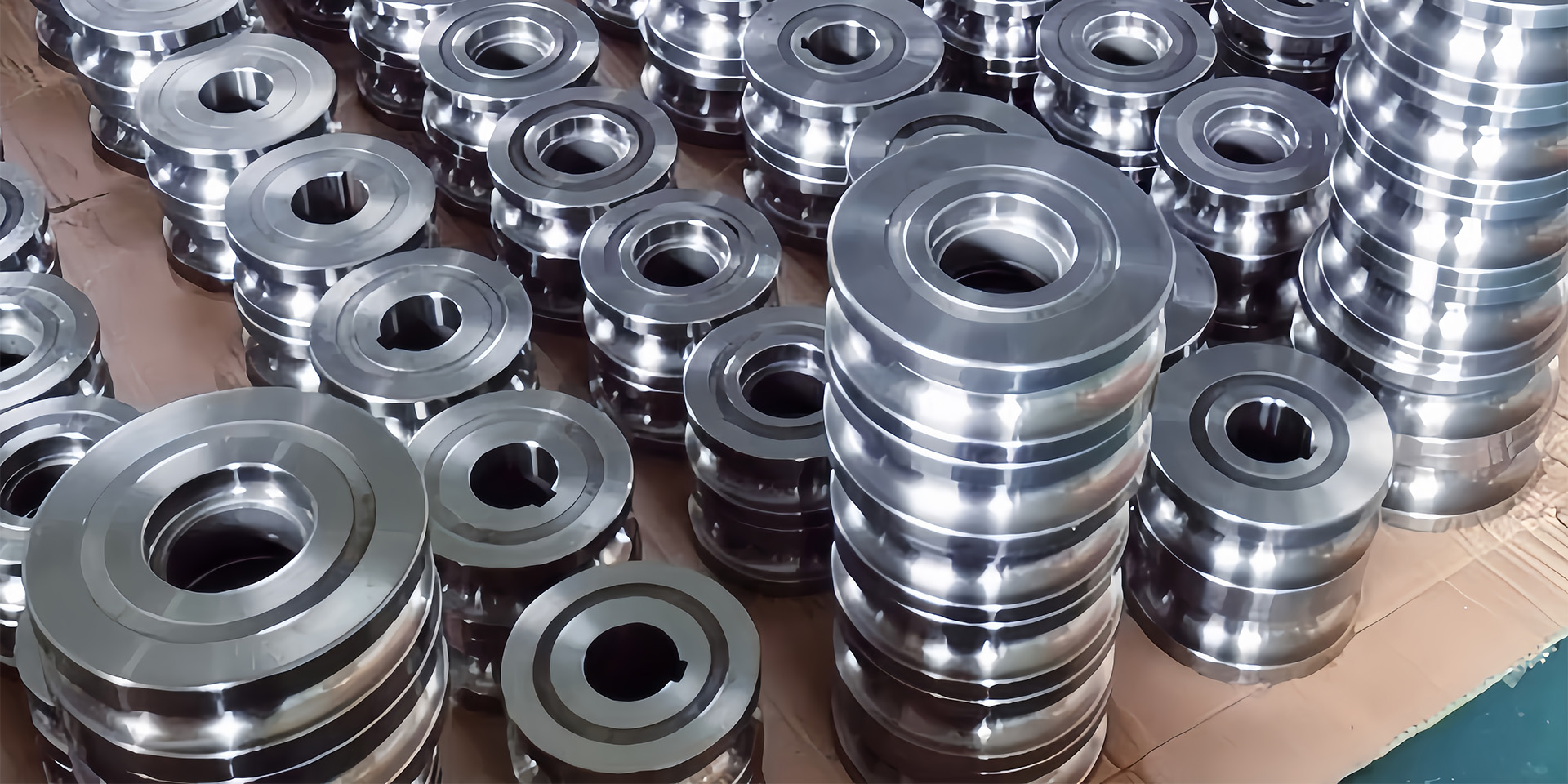
If the strip is not formed steadily before welding, the weld seam position may move, the edges may not meet correctly, and the final tube shape can become unstable. This problem may come from unsuitable roll tooling, incorrect adjustment, weak machine structure, or choosing a model that is too small for the required tube and wall thickness.
Before buying, send exact tube examples to the manufacturer. A responsible supplier should check whether the forming section and roll tooling are suitable for your target tube range.
2. Weld Seam Quality Problems
Weld seam defects can be caused by many factors, including strip edge condition, forming accuracy, HF welder power, welding temperature, squeeze roll adjustment, cooling, and operator control.
For a new project, do not only ask for the machine model. Also ask how the HF welder power will be selected and how the welding section will match your tube size, wall thickness, material, and line speed.
3. Tube Size and Shape Errors
Round, square, and rectangular tubes require stable sizing and suitable tooling. If the sizing section is not strong enough or the tooling design is not correct, the tube may have poor dimensional accuracy, uneven corners, or unstable straightness.
This is especially important for square and rectangular tube production. Buyers should confirm the required tube shape, corner quality, wall thickness, and main sizes before the tooling design is confirmed.
4. Cutting Burrs and Poor Tube End Quality
The cutting section has a direct effect on tube end quality. A hot friction saw and cold saw cutting machine have different cutting finishes, cost levels, and maintenance requirements.
If your customers need cleaner tube ends, a cold saw cutting machine may be a better option. If your application accepts a rougher finish, another cutting solution may be considered. The right cutting choice depends on tube size, wall thickness, speed, and final product use.
5. Coil Change Downtime
Frequent coil changes can reduce production efficiency. A suitable uncoiler, shearing and butt welding machine, and accumulator can help reduce downtime and support more continuous production.
For higher production demand, buyers should discuss whether a vertical accumulator or horizontal spiral accumulator is more suitable for the strip size, line speed, and workshop layout.
6. Wrong Machine Model Selection
One of the most expensive problems is buying a machine that cannot match the buyer's real production plan. This often happens when the buyer provides only a broad range and the supplier recommends a model too quickly.
For example, saying 20-80 mm and 0.8-3.0 mm is not enough for final selection. You should provide actual tube sizes with matching wall thickness, such as 40 x 40 mm x 1.5 mm or 40 x 60 mm x 2.0 mm.
7. Lack of Operator Training and Spare Parts
Even a suitable machine needs correct operation and maintenance. If operators do not understand adjustment, lubrication, tooling change, welding setup, and troubleshooting, production problems may continue after installation.
Before buying, check whether the supplier can support installation guidance, operator training, remote technical support, and spare parts supply.
How XFX Helps Reduce Production Risk
XFX Tube Mill Machinery Co., Ltd. is a real tube mill machinery factory in Yangzhou, China. We design and manufacture high frequency welded tube mills, ERW tube mill machines, auxiliary equipment, and spare parts for overseas B2B customers.
For each project, we ask buyers to provide exact tube shape, tube size, wall thickness, raw material, country, purchase time, and required configuration. Then we help check suitable tube mill model, HF welder, cutting system, accumulator, tooling, and service plan.
FAQ
What causes weld seam problems in ERW tube production?
Common causes include unstable forming, poor strip edge condition, unsuitable HF welder power, incorrect squeeze roll adjustment, improper cooling, or operator setup issues.
Can a cold saw reduce cutting burrs?
A cold saw cutting machine can provide better tube end quality for many applications, but the final choice depends on tube size, wall thickness, speed, quality requirement, and budget.
Why does XFX ask for exact tube size and wall thickness?
Because model selection depends on the actual tube product, not only a broad range. Exact size and wall thickness help check forming strength, welding power, cutting load, and tooling design.
Can XFX help after installation?
Yes. XFX supports installation guidance, operator training, remote technical support, spare parts, and long-term after-sales service according to project requirements.
Send Your Tube Production Problems or New Project Requirements
If you are planning a new ERW tube mill project or trying to improve an existing line, send your tube shape, exact tube size, wall thickness, material, country, purchase time, WhatsApp or email, and company name.
Browse our ERW tube mill machines, check cutting saw options, or contact XFX for technical guidance.

Recent Posts

October 26, 2016
The Most Successful Engineering Contractor
Jun 09, 2026
How to Reduce Scrap Rate in ERW Tube Mill Production

Request a Tube Mill Quote
Tube Mill Inquiry Information
Line Quantity
Unit
Set
Please send your tube shape, exact tube size, wall thickness, raw material, country, purchase time, WhatsApp or email, and company name. XFX will help check the suitable tube mill model and configuration for your production plan.