Discuss gentler discharge.
XFX presents this option to help reduce the impact of receiving tubes. The result for a particular surface finish must be confirmed for the project.
FINISHED-TUBE HANDLING AFTER CUTTING
Receive finished tubes after the cutting section and plan how they move to the next handling point. XFX can discuss a run-out table with a new line or as a replacement or modification for an existing line.
The proposed receiving and discharge method must be reviewed with the cutting saw, finished tube and workshop layout. You can start with partial information.
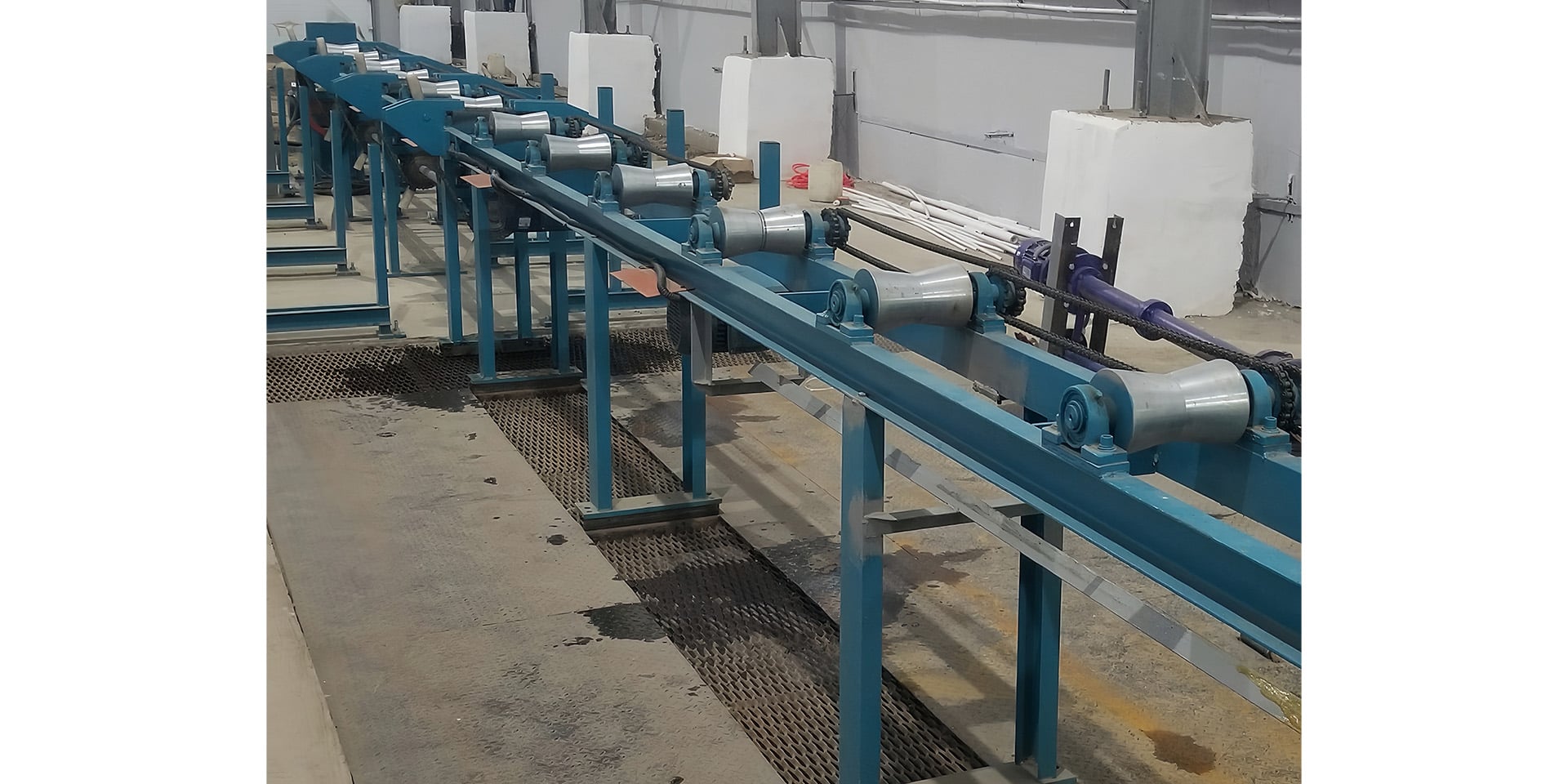
01 / PRODUCT ROLE
The pipe run-out table sits after the cutting section of an ERW tube mill. It receives cut tubes and supports their transfer toward the next collection or handling step, according to the line arrangement.
Run-out equipment is not the same as an automatic stacker or packing line. If further handling, packing or stacking is required, ask for those functions and their supply scope separately.
02 / DOWNSTREAM POSITION
The sequence below explains where the equipment sits. It does not mean the cutting saw or any separate packing system is automatically included.
For a new line or a replacement, confirm the saw-to-run-out interface, tube discharge direction, controls and downstream handling plan. No synchronization tolerance, timing or control protocol is assumed.
03 / OPTIONS SHOWN BY XFX
The saved XFX English product page names these options. Their suitability and operating limits are confirmed against the actual tube products and line layout; the images below are not assigned to a specific option without source evidence.
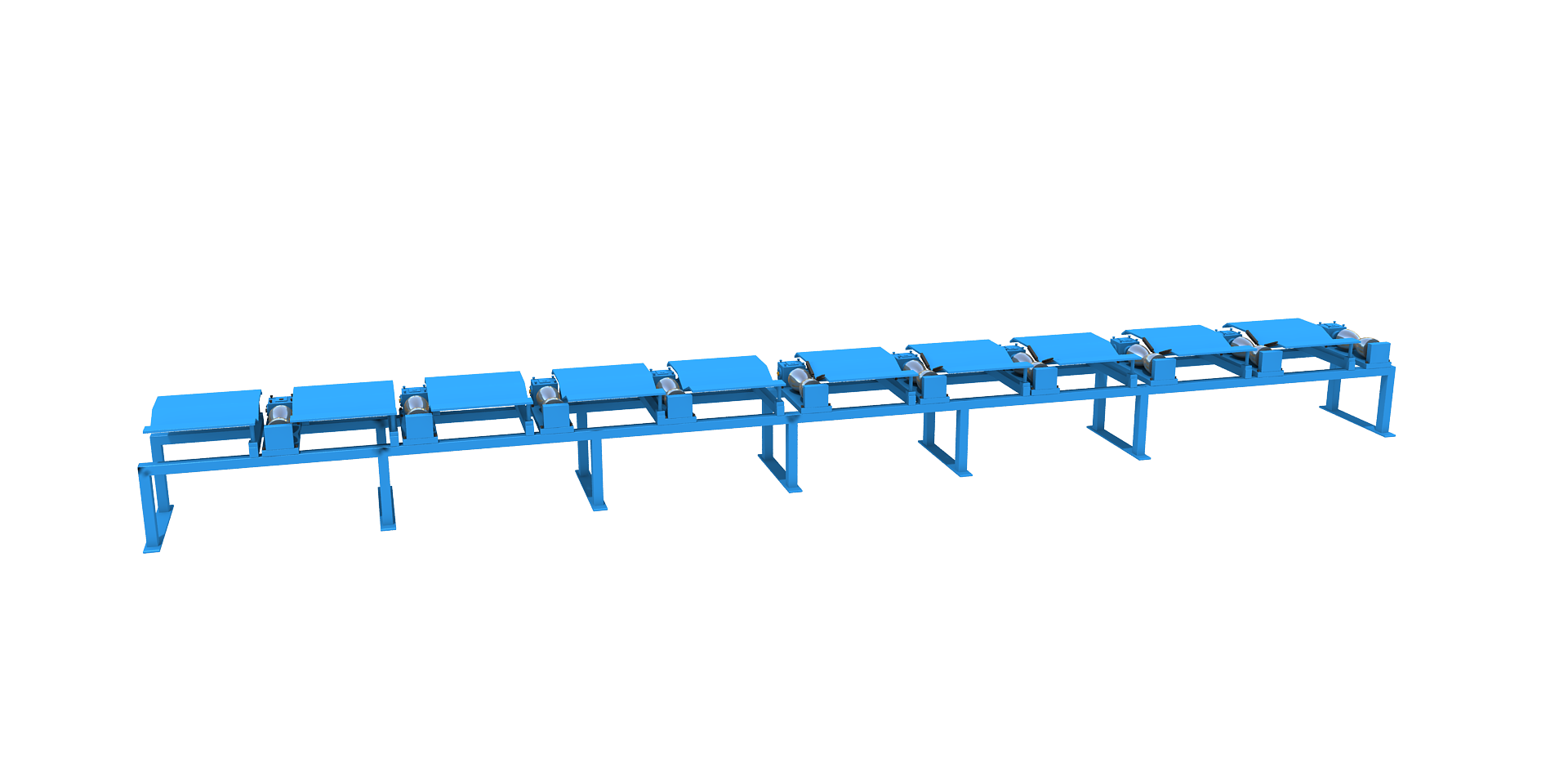
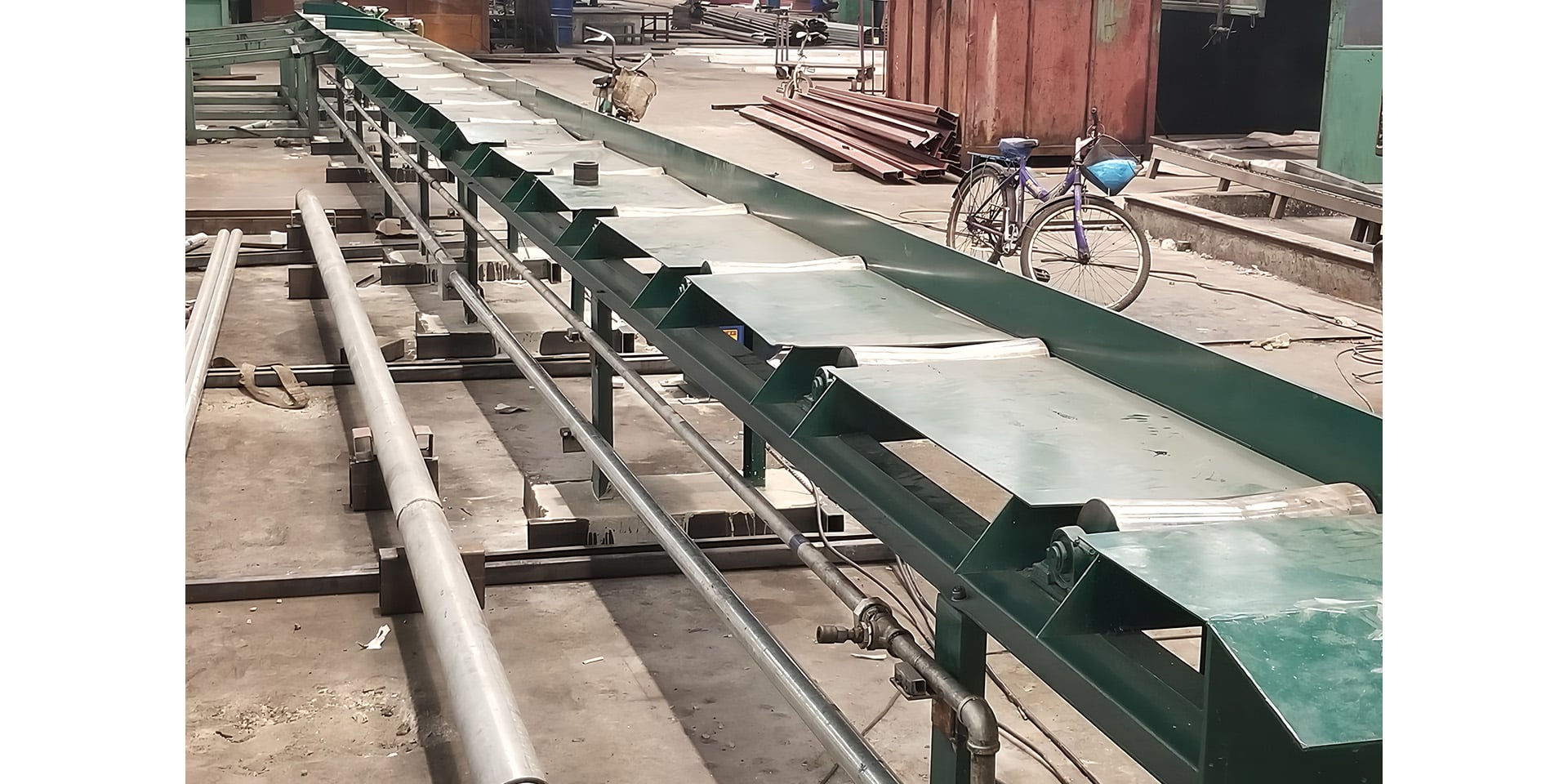
The original detail page does not publish a model-specific tube-size, tube-length, table-size, drive-power, load or speed table. Ask for supported values of the proposed configuration in the quotation.
04 / FINISHED-TUBE INFORMATION
Plan from the actual finished products and handling route. A maximum diameter alone cannot confirm a suitable table.
Round, square or rectangular products you plan to make.
List each diameter or section dimensions.
Pair thickness with each exact tube size.
Material or grade and tube weight if known.
Cut length or lengths required for your products.
Cutting method, line output, discharge direction and next handling step.
Share the cold saw or hot friction saw type, desired manual collection or further handling plan, and available workshop layout where known. Partial information is enough to begin.
05 / TWO BUYER ROUTES
Send the tube mill and cutting-saw plan, tube shapes and exact sizes with matching wall thicknesses, material, finished lengths, output target if known, desired collection or further handling method, workshop layout, line direction and destination country.
The proposal should state what the saw, run-out and any separate downstream equipment each include.
Discuss a new line ↗Share the mill and cutting-saw type, current table arrangement and dimensions, finished-tube list, production rate, discharge direction, floor space, drive and control details if available, upstream interface, downstream handling, photos and a layout drawing where possible.
Dimensions, tube handling method, interfaces, controls and layout must be reviewed before a replacement or modification solution is confirmed. No direct fit is assumed.
Send existing-line photos ↗06 / QUOTATION REVIEW
Use these points to compare proposed scope. They are not standard inclusions.
Further packing or stacking is a separate project decision. The individual proposal confirms what is supplied, excluded or separately priced.
08 / FACTORY & SUPPORT
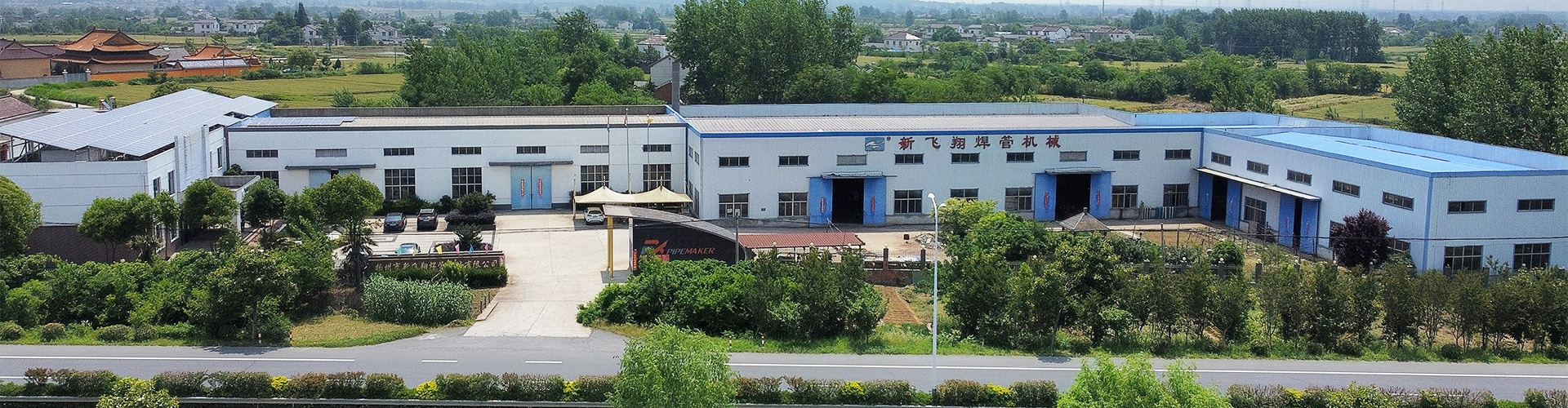
XFX has its own factory in China. For a project, XFX can provide on-site installation and commissioning, operator training, remote technical support, operation and maintenance documentation, and spare-parts support.
Overseas on-site arrangements and costs are confirmed in the individual proposal. No fixed installation time, table life, handling rate or service price is stated here.
Contact XFX ↗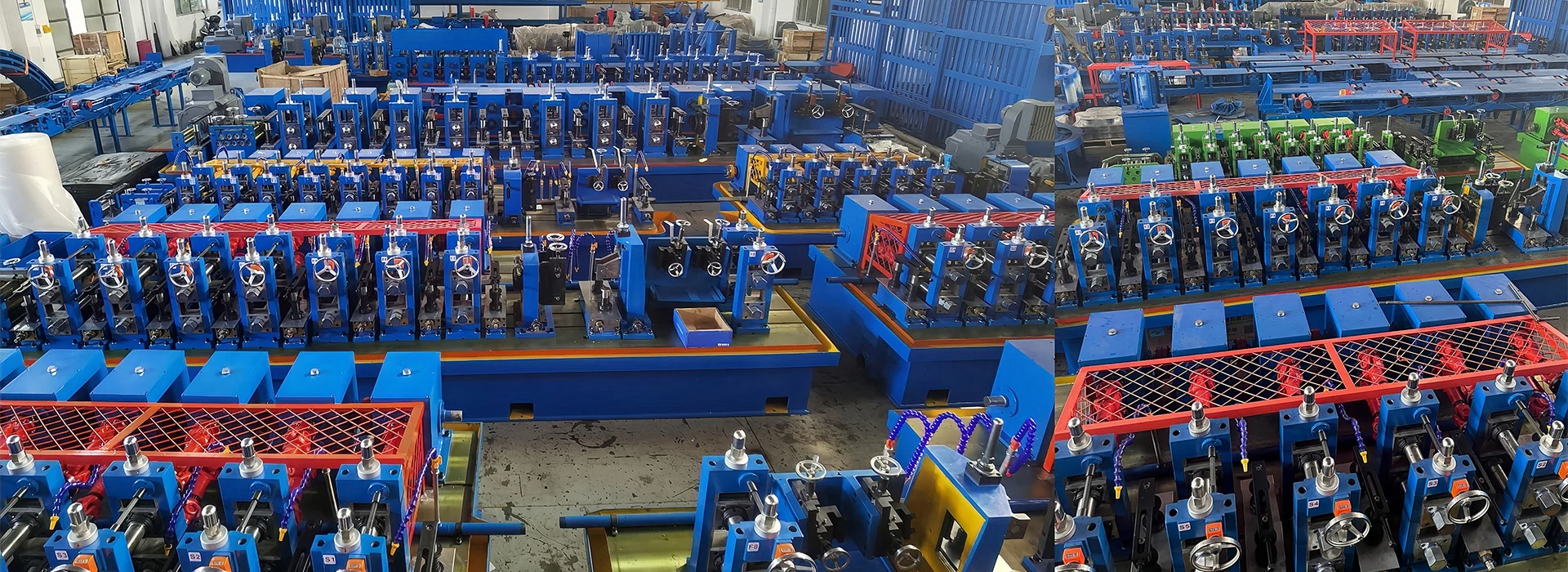
09 / BUYER QUESTIONS
It receives cut tubes after the saw and supports their transfer toward the next handling point, according to the line arrangement.
The XFX source places it after the cutting section. The cutting-saw and downstream interfaces are confirmed for the project.
List shape, every exact tube size with matching wall thickness, material, finished length, cutting method and desired downstream handling. Add output and layout details if known.
Do not assume so. A run-out table receives and transfers tubes; any further stacking or packing must be separately described in the proposal.
Yes. Share current equipment photos and dimensions, the saw and tube details, discharge direction, space, controls and the problem to solve. Interfaces and layout must be reviewed before a solution is confirmed.
Confirm where the cut tube is handed to the run-out equipment, along with the required mechanical, control and layout interfaces. No particular timing or control protocol is assumed.
Project arrangements may include on-site installation and commissioning, training, remote support, operation and maintenance documents, and spare parts. Confirm scope and overseas costs in the proposal.
10 / DISCUSS YOUR RUN-OUT TABLE
Tell us if you need run-out equipment with a new mill or a change to an existing line. Share exact tube sizes, matching wall thicknesses, finished lengths, cutting method and handling plan. Partial details are welcome.
View the Contact page ↗SEND AN INQUIRY
Use the message field for finished-tube sizes and lengths, cutting type, handling route and whether this is a new or existing line.