
ERW LINE OVERVIEW
High-Frequency ERW Tube Mill Lines
Tell us the tube shapes, sizes and matching wall thicknesses you need to produce. We’ll review your requirements and discuss the equipment configuration for your project.
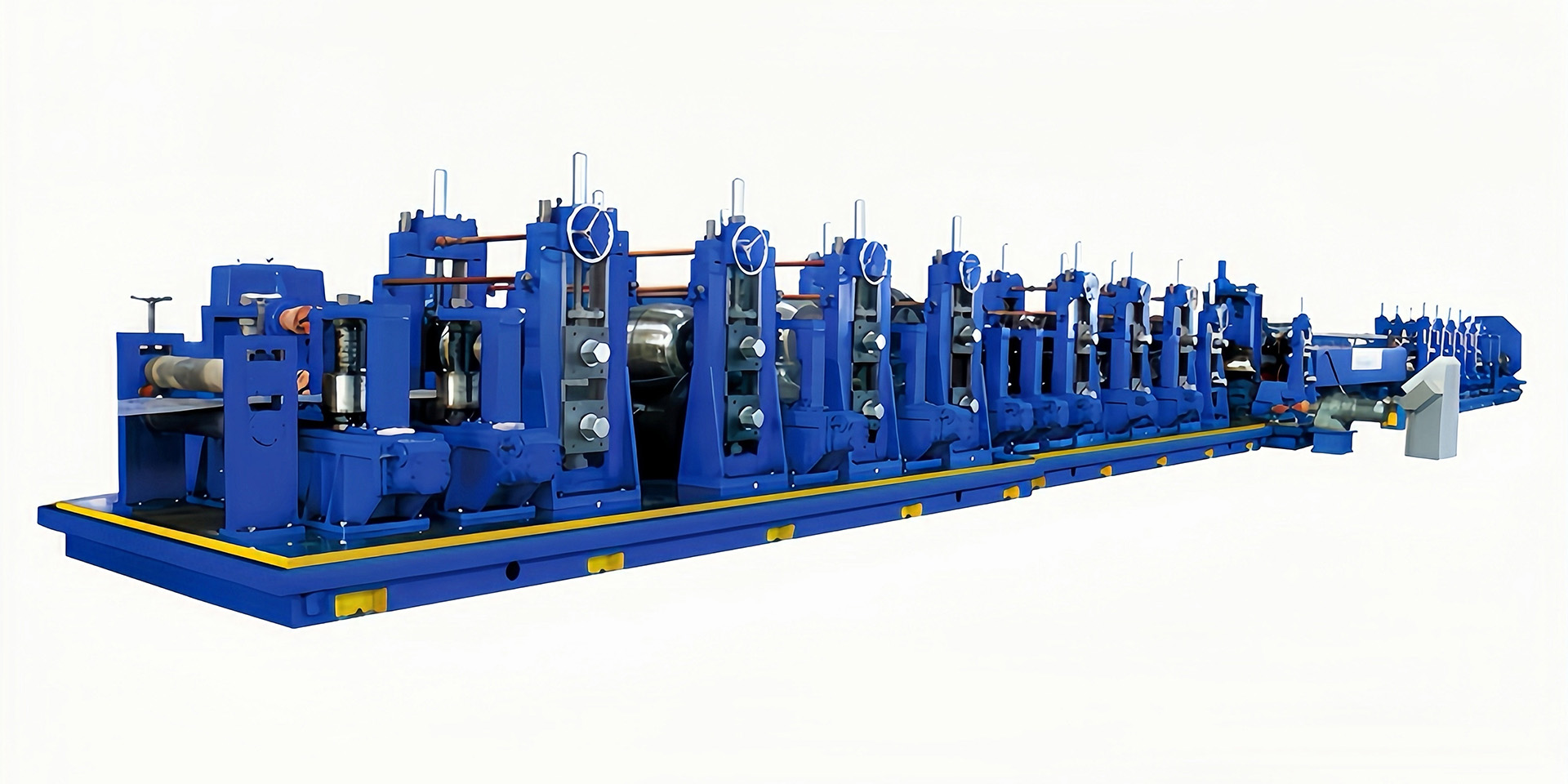
EXISTING PRODUCT PATHS
Explore XFX Tube Mill Models
Explore XFX tube mill model families. Send your tube sizes, matching wall thicknesses and material so we can review the configuration for your project.
Open a family page to compare models, or jump to individual specifications.
01 / PRODUCTION REQUIREMENTS
Start with the tubes you need to make
A useful line discussion starts with each finished tube size and its matching wall thickness. If your list is incomplete, send the sizes you expect to produce most often and note what is still open.
Tube shape
Tell us whether you plan to make round, square, rectangular tubes—or a combination. Give the outside diameter or width and height for each shape.
Each size + wall thickness
Pair every planned size with its wall thickness. Include your main products and any occasional sizes you know about.
Raw material
Share the steel grade and available coil or strip information. Material affects the line and welding discussion.
Production target
Include known target output, finished tube length, end use and cutting finish requirements. Add your factory location and project timing if available.
You can begin with the information you have; the remaining details can be clarified together. For multiple products, use one line per size and thickness combination. Include the material or steel grade for each line where known.
Send your tube list02 / LINE CONFIGURATION
From Steel Strip to Finished Tube
An ERW line discussion can cover coil entry, strip preparation, forming, high-frequency welding, sizing, cutting and tube handling. The proposal should name the equipment included, options and tooling coverage for your tube list.
- 01Coil entryUncoil and feed strip
- 02Strip preparationJoin and buffer strip where required
- 03FormingShape the tube with roll tooling
- 04HF weldingWeld the formed seam
- 05SizingBring the tube to its specified dimensions
- 06Cut & handleCut to length and move finished tubes
This flow helps frame the discussion. Your written proposal should identify the actual equipment and scope for your project.
03 / EQUIPMENT TO REVIEW
Equipment to Review for Your Line
Use this table when reviewing a proposed line. It identifies questions to settle; it does not say that every item is included in every offer.
| Equipment or section | Role in the line | What to review for your project |
|---|---|---|
| Uncoiler & coil entry | Feeds steel strip from the coil into the line. | Coil weight, strip width and handling method. |
| Shearing, joining & accumulator | Prepares or buffers strip during coil changes. | Strip joining method, available floor space and continuity needs. |
| Forming, sizing & roll tooling | Shapes the tube and brings it to the specified dimensions. | Every shape, size and wall thickness; included tooling sizes and changeovers. |
| High-frequency welder | Welds the formed tube seam. | Material, tube dimensions, wall thickness and weld requirements. |
| Cutting saw | Cuts the finished tube to length. | Cut length, end finish and the cutting method proposed. |
| Run-out & tube handling | Receives and moves cut tubes from the line. | Finished tube length, handling arrangement and downstream needs. |
For the equipment covered here, XFX manufactures the equipment other than the sourced high-frequency welder. Standard components, including bearings, motors, gearboxes and drive shafts, are purchased from suppliers. The project proposal defines the equipment and components included.
04 / CHOOSING A SUITABLE LINE
Match the line to the actual tube list
Existing model families are a starting point. A broad size range alone does not confirm that one line suits every wall thickness, material or profile on your list. Review the tube geometry, material, tooling, output and cutting needs together before discussing a suitable model and any limits.
Review your requirements with XFXWhat the proposal should make clear
- Which tube shapes, each size with its matching wall thickness, and materials or steel grades the proposed line is being reviewed for.
- Which equipment and roll tooling are included, and which are options.
- How cutting, tube handling and start-up support are specified for your project.
05 / OPERATION & SUPPORT
Plan for start-up and day-to-day operation
XFX provides installation, commissioning and technical support. Operator training is normally provided during installation and commissioning. Additional short-term training can be arranged by agreement and is charged separately. The project proposal and contract define the scope, responsibilities and charges for your equipment.
Install & train
Plan installation and commissioning for your equipment. Operator training is normally provided during installation and commissioning. Additional short-term training can be arranged by agreement and is charged separately. Confirm the site arrangements and charges in the proposal and contract.
Change sizes
Review the complete tube list, roll tooling and changeover requirements before the line is specified.
Maintain the line
Confirm the operating and maintenance documents, spare-parts scope and supply arrangements included in your project.
Get technical support
XFX provides technical support. Agree the support arrangements, channels and responsibilities for your project in the proposal and contract.
On-site work: The customer bears installation personnel’s flight, meal, accommodation and wage costs. By agreement, these costs may be included in the total contract price. The contract will identify which costs are included and which are payable separately, to avoid charging the same costs twice.
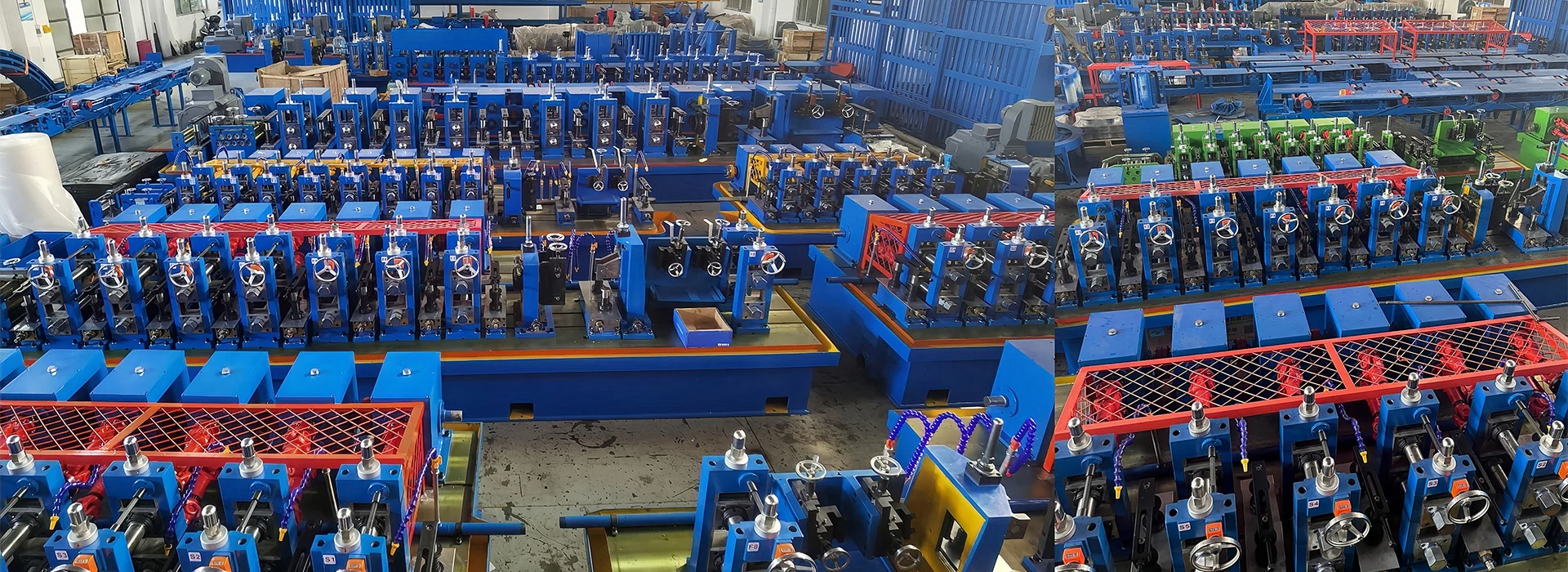
WORK WITH XFX
Discuss your line with the team behind it
XFX has its own factory in China. Share your production requirements so the proposed equipment scope can be reviewed against the tubes your factory needs to make.
06 / BUYER QUESTIONS
Tube Mill Buying Questions
These answers help prepare a useful discussion. The final model and equipment scope depend on your project details.
What should I send for a useful line discussion?
Send the tube shapes, each planned size with its matching wall thickness, raw material, and any known output and finished-length requirements. If some details are undecided, tell us what you know now.
Can I choose a model from a published size range?
A published range is a starting point. XFX needs to review your exact tube dimensions, matching wall thicknesses, material, tooling and production needs before discussing a suitable model and any limits.
Is every item in the process flow included in a quote?
The process flow is illustrative. Ask for a written equipment list that identifies included items, options and the roll tooling covered for your planned sizes.
Can XFX help with installation and operator training?
Yes. XFX provides installation and commissioning. Operator training is normally provided during installation and commissioning. Additional short-term training can be arranged by agreement and is charged separately. Agree the project-specific scope, site arrangements and charges in the proposal and contract. The customer bears installation personnel’s flight, meal, accommodation and wage costs; these may be included in the total contract price by agreement. The contract should identify included and separately payable costs.
How should we plan for size changes?
Share the full tube list and current equipment details if you have an existing line. XFX can review the roll tooling and changeover requirements for the proposed setup.
07 / CONTACT XFX
Discuss Your Tube Mill Project
Email your tube list or send the specifications you already have. Include each size with its matching wall thickness, material, target output and finished length where known. Drawings or photos of an existing line can also help frame the discussion.
Return to homepage contactChat on WhatsApp Email Your Requirements Emailerwpipemill@gmail.comTelephone+86 133 3812 3788WhatsApp+86 133 3812 3788
WeChat (phone number)+86 133 3812 3788
Send an Inquiry Online View Contact Page SEND AN INQUIRY
Send Your Project Details
You can begin with the information you already have. For line selection, include each planned tube size with its matching wall thickness and material or steel grade where known.